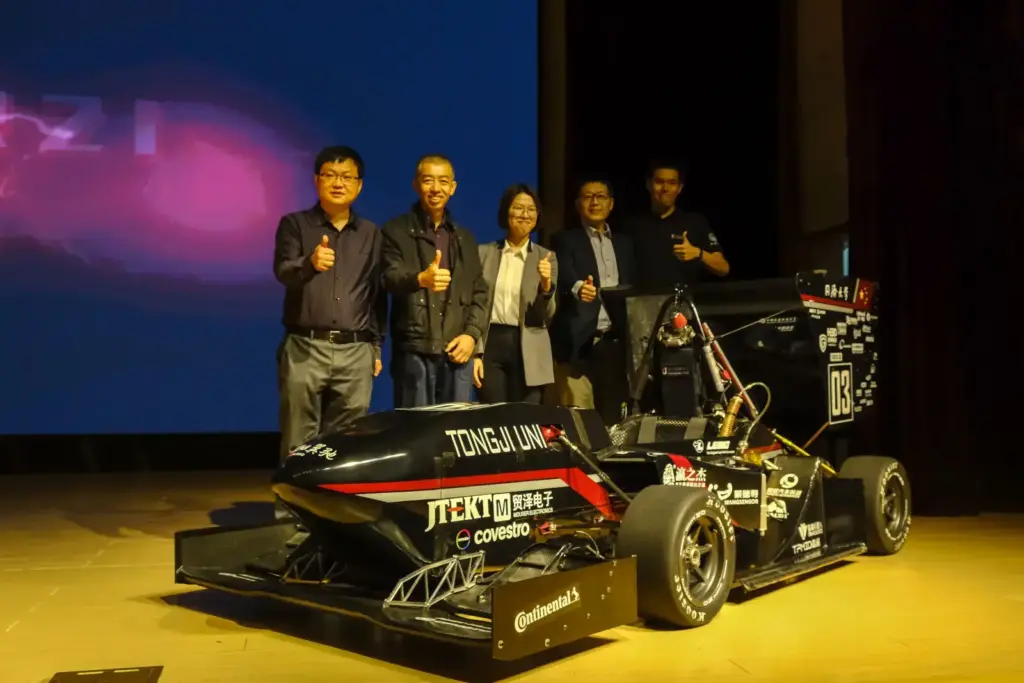
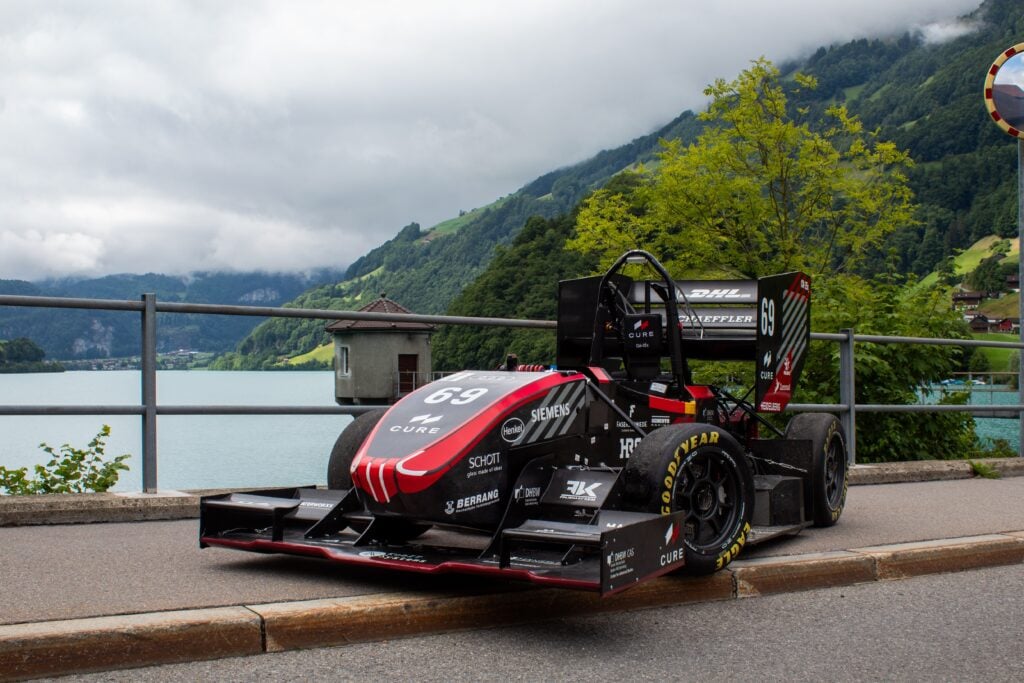
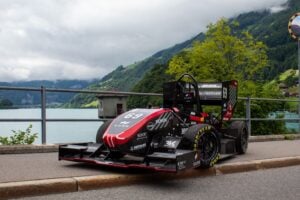
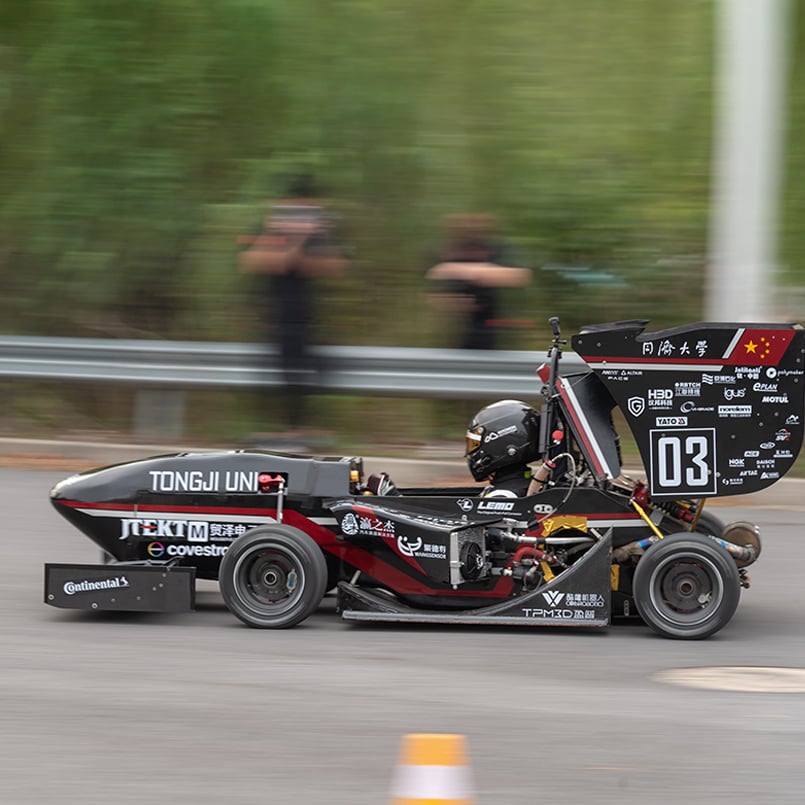
CURE Mannheim e.V. is the Formula Student team of DHBW Mannheim, where a new fully electric race car is designed, manufactured, and competed all across Europe every season. The team combines expertise from various engineering disciplines, including aerodynamics, electric powertrains, high-voltage systems, lightweight construction, and vehicle dynamics.
Their mission is to drive innovation in electric motorsport through high-quality engineering, sustainable design decisions, and the use of modern manufacturing technologies. They aim to create reliable, high-performance components while maintaining efficient workflows and industry-oriented development methods.
Why CURE Mannheim uses 3D printed parts
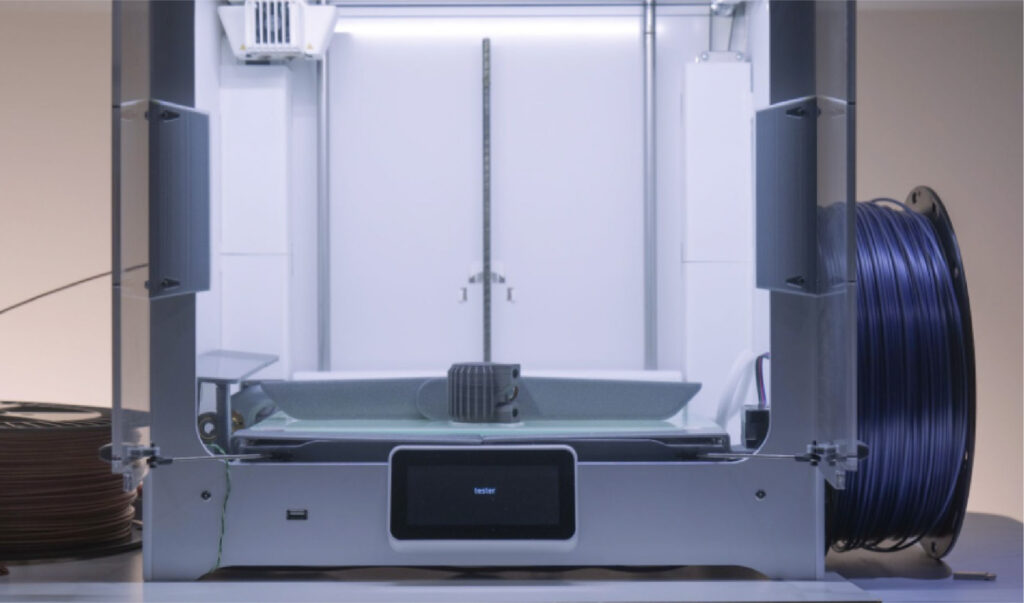
Additive manufacturing has become one of the most important tools in our development cycle. The ability to produce parts quickly, cost-effectively, and with complex geometries makes 3D printing ideal for the high pace and engineering depth of Formula Student.
For CURE, 3D printing provides:
From the first design idea to the final race-ready component, 3D printing allows them to iterate faster and innovate more efficiently.
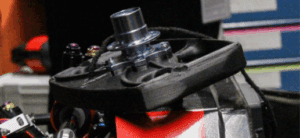
Steering Wheel made out of Polymaker Fiberon™ PA6-CF20
Advantages of 3D Printed Parts
3D printing offers several benefits for their vehicle development. It allows the production of lightweight components, supports the creation of complex geometries such as ducts, housings, and aerodynamic structures, and enables fast iteration during the design process. The technology is cost-efficient for low-volume manufacturing and provides a wide range of materials, making it possible to select the most suitable filament for each application.
Why these Specific Polymaker Materials
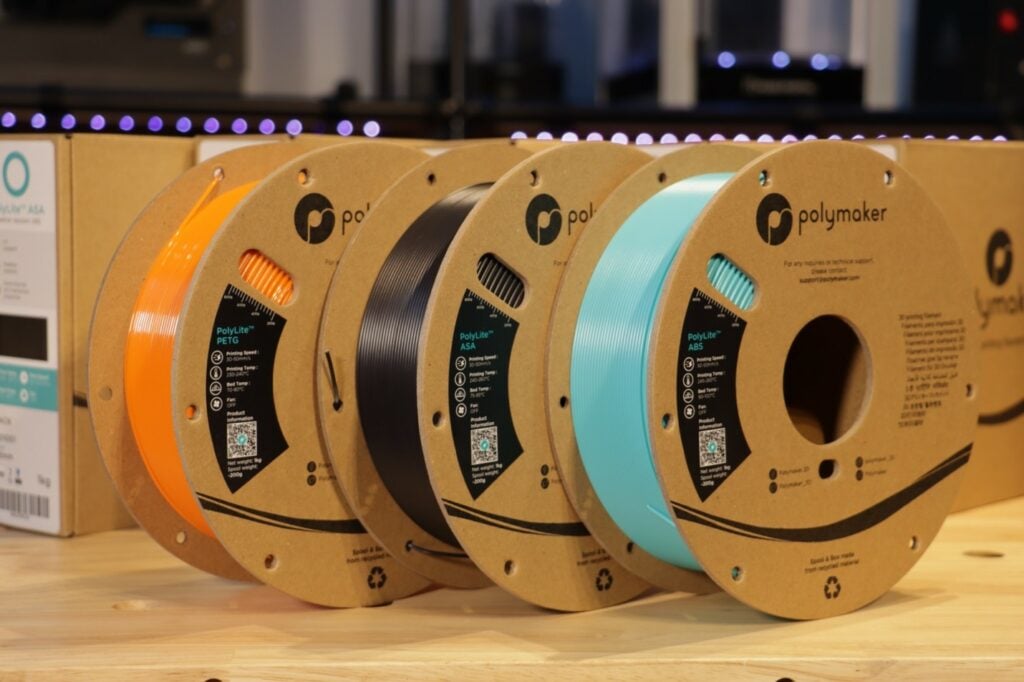
To meet the broad range of mechanical, thermal, and functional requirements in the vehicle, Cure Mannheim selected four Polymaker materials that fit perfectly into their application spectrum.
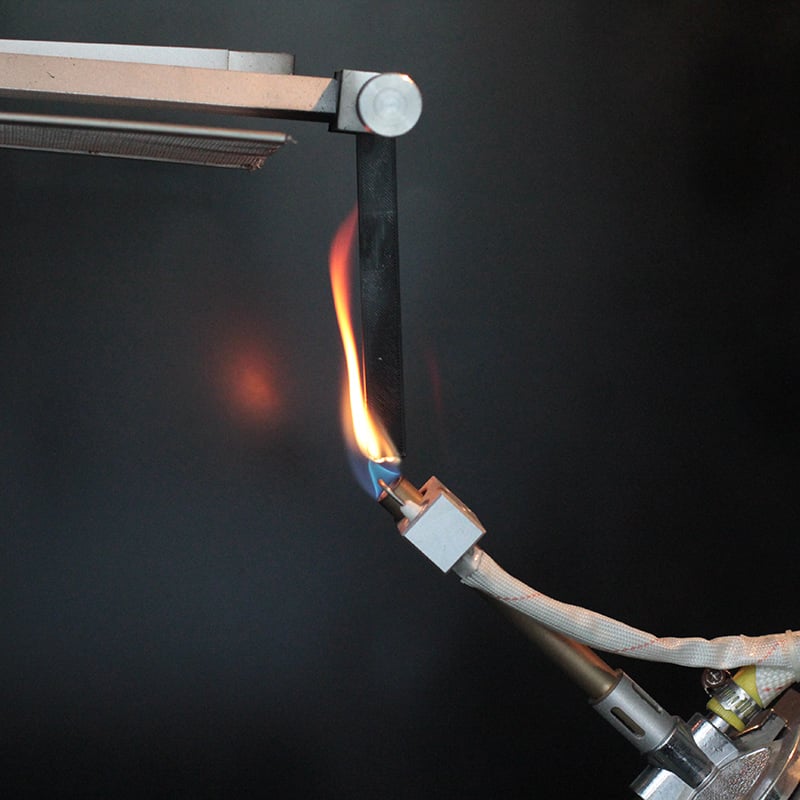
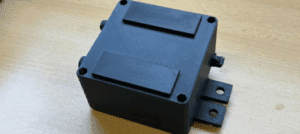
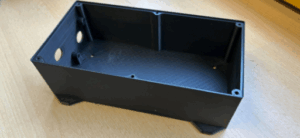
PolyMax PC-FR is used for components that require thermal stability and electrical safety, such as TS housings and PCB enclosures. Its flame-retardant formulation, strong layer adhesion, and high heat resistance make it ideal for protecting sensitive electronics and ensuring reliability in areas exposed to elevated temperatures.
PolyMax PETG is Cure Mannheim's preferred choice for quick and dependable prototype production. It prints consistently, offers sufficient mechanical strength for non-critical parts and withstands moderate chemical exposure. These properties make it suitable for functional prototypes and components like "catch can covers" that do not require high structural performance.
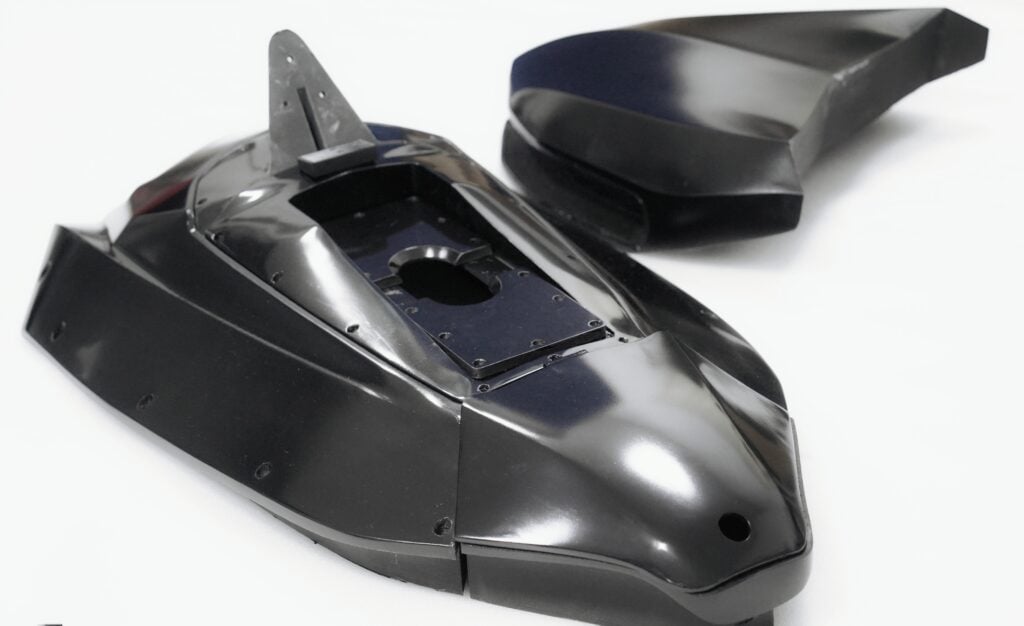
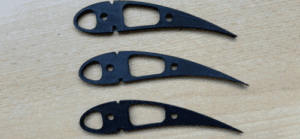
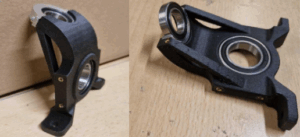
Fiberon™ PA6-CF20 provides the combination of stiffness, strength, and low weight needed for structural applications in the vehicle. The carbon-fiber reinforcement improves dimensional stability and increases the material’s load-bearing capability, making it well-suited for steering gear mounts, inserts, and aerodynamic core structures.
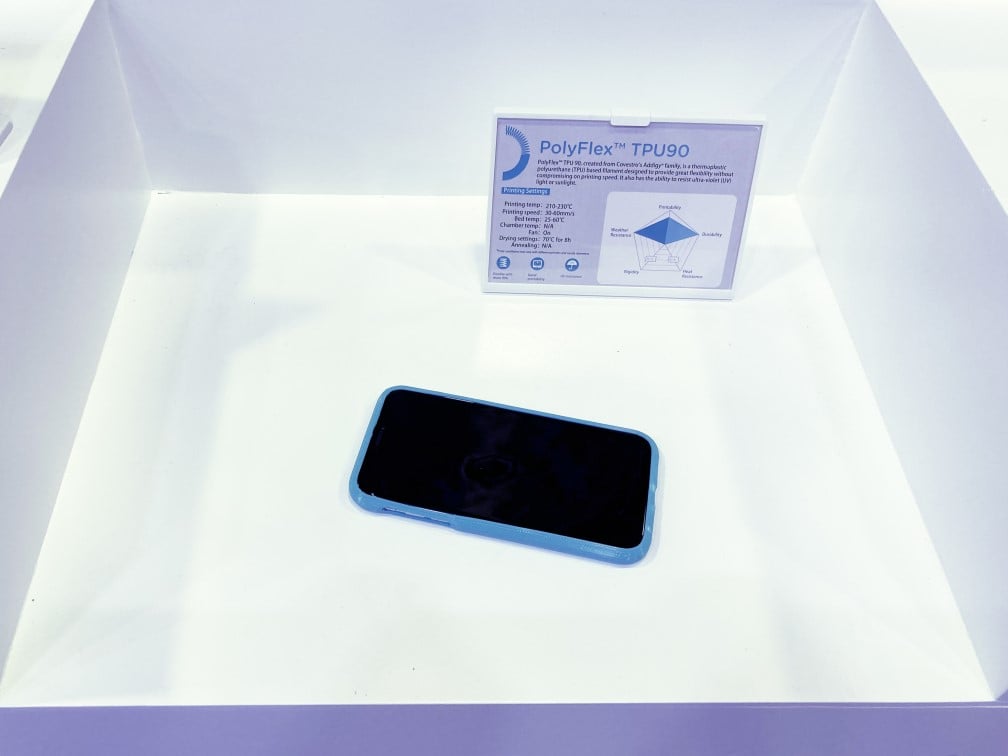
PolyFlex TPU is used when flexibility, durability, and environmental protection are required. Its elasticity and abrasion resistance allows to create custom sealing elements and protective features, particularly around high-voltage components, where resistance to dirt, moisture, and vibration is essential.
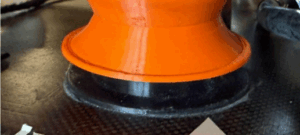
Sealing made out of TPU-90A
What they aim to achieve with the Project
Our objective is to demonstrate how advanced 3D printing materials can meaningfully contribute to the performance, reliability, and safety of a modern Formula Student race car. Through the integration of Polymaker materials, CURE Mannheim aims to:
By achieving these goals, the teams strengthen their position as an innovative Formula Student team and highlight the benefits of combining engineering expertise with advanced additive manufacturing materials.
Example Components of 3D printed parts












Please fill in the form below or if you have other questions are not included in the form, please contact us through [email protected]. We will get back to you soon.
Please fill in the form below or if you have other questions are not included in the form, please contact us through [email protected]. We will get back to you soon.