Discover why the new generation of PETG filament is revolutionizing 3D printing for both beginners and experienced enthusiasts. This guide covers the latest advancements in PETG filament, including speed, strength, color options, and value, for both beginners and experienced 3D printing enthusiasts. We’ll explain why these improvements matter—whether you’re seeking faster print times, greater durability, or more vibrant colors, the latest PETG formulations deliver a compelling upgrade for every maker.
PETG (Polyethylene Terephthalate Glycol) is a thermoplastic polyester known for its chemical resistance, flexibility, impact resistance, and water-repellent properties. These characteristics make PETG filament a standout choice for a wide range of 3D printing applications.
For years, PETG filament held a reputation as the “middle child” of 3D printing materials—stronger than PLA but slower to print and prone to stringing. Many makers dismissed it entirely, opting for alternatives when projects demanded extra toughness. However, PETG stands out for its ease of use, making it a great choice for both beginners and experienced users. PETG produces strong, durable objects that are less rigid than PLA. When you PETG compare it to PLA and ABS, PETG combines the ease of use of PLA with more dimensional stability than ABS, and detailed 3D printing material comparisons can help you decide which filament best fits each project. PETG is easier to work with than ABS because it does not contract as much during cooling, and it emits no noxious fumes, making it safer to use in unventilated areas compared to ABS. PETG filament is commonly used in the medical and food industries for packaging due to its strength and durability, and many grades are FDA-compliant for direct food contact and are BPA-free. PETG is suitable for general-purpose 3D printing when used with a heated bed.
But what if everything you thought you knew about PETG filament was outdated? The latest generation of high-quality PETG has been redesigned from the molecular level up, delivering a complete formula focused on speed, strength, and layer adhesion. PETG offers good quality and performance, providing reliable results for a wide range of applications across the full catalog of 3D printing filament types. PETG is 100% recyclable, although it is not biodegradable. This isn’t just an incremental improvement—it’s a transformation that’s converting even the staunchest PETG skeptics into believers. Common issues that we have found with PETG, such as stringing and slow print speeds, have been addressed in the latest formulations for better results.
If you’re looking to buy PETG, you’ll find great value and performance in the latest formulations from specialized 3D printing filament brands.
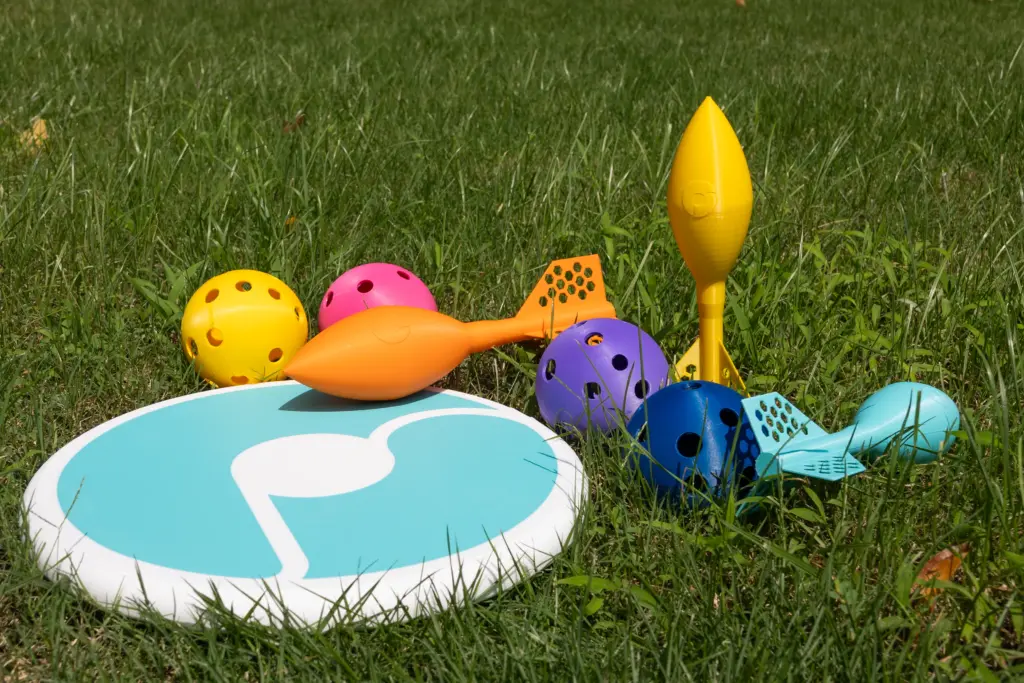
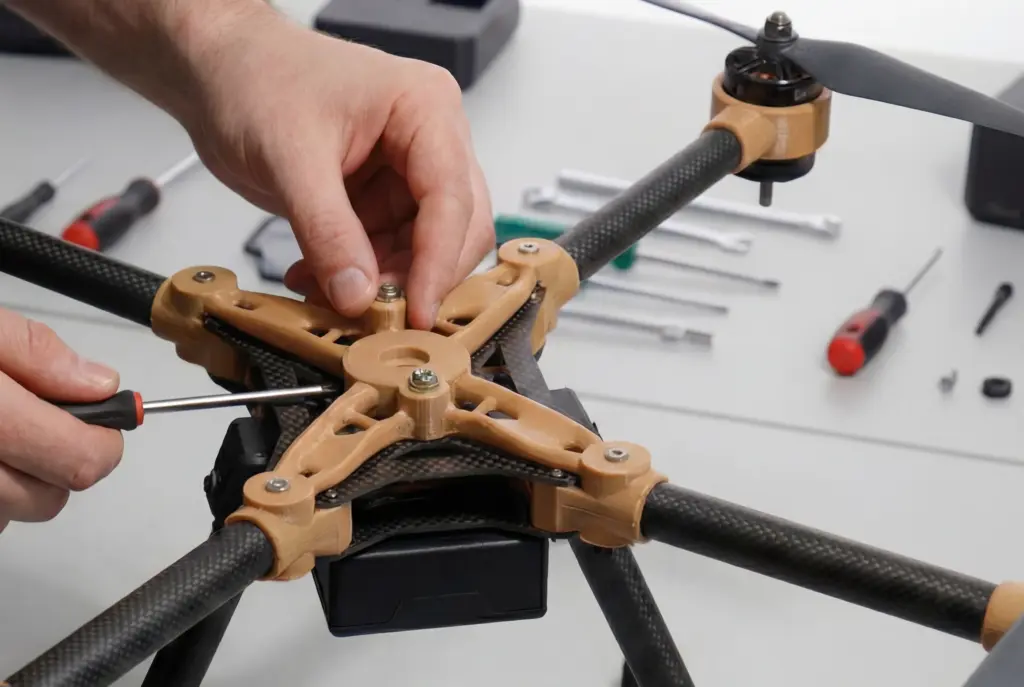
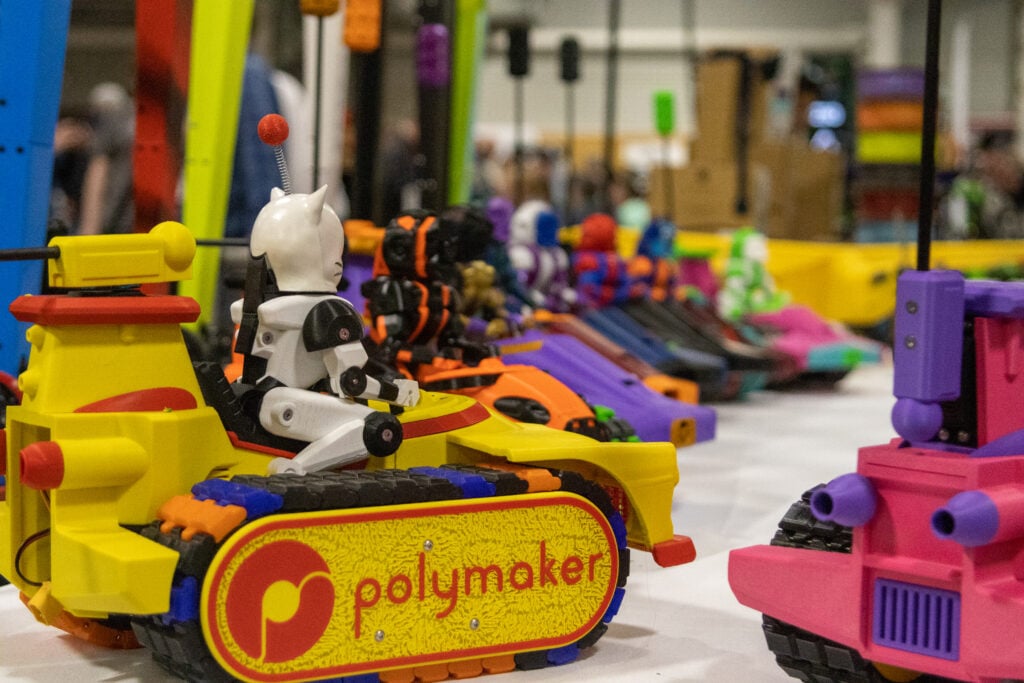
PETG is ideal for functional prints such as toys, mechanical prototypes, and chassis due to its durability and impact resistance. It is commonly used for functional parts that need to withstand drops or stress, unlike PLA which can degrade when exposed to moisture. PETG is also suitable for outdoor applications because it offers excellent water and weather resistance, maintaining its structural integrity over time. These qualities make PETG a top choice for makers who need reliable, long-lasting prints for both indoor and outdoor use.
PETG has long been valued for its balance of strength, flexibility, and ease of use. Its chemical resistance and water-repellent properties make it a popular choice for applications ranging from packaging to mechanical parts. PETG is also favored for its low odor during printing and its ability to produce clear, glossy finishes with minimal warping. PETG is suitable for general-purpose 3D printing when used with a heated bed.
Unlike previous formulations that offered marginal improvements, this new PETG filament represents a fundamental rethinking of the material’s chemistry. The result? A filament that addresses every traditional weakness while amplifying its strengths, provided your 3D printer supports the recommended temperature settings and hardware compatibility for PETG.
These advancements set the stage for PETG's exceptional mechanical properties, which we'll explore next.

The standout feature of this best PETG for 3D printing is its remarkable layer adhesion. With a Z-axis tensile strength of 45.71 MPa—reaching 95% of XY strength—print orientation becomes nearly irrelevant for structural integrity. Proper management of layers, including layer height and print settings, is crucial for achieving optimal print quality and minimizing issues like stringing or surface defects.
What this means in practice:
Additionally, PETG exhibits low shrinkage (0.5–0.7%) and minimal warping in 3D printing compared to ABS, making it ideal for reliable, dimensionally accurate prints.
These mechanical properties make this PETG ideal for:
PETG is commonly used for functional parts that need to withstand drops or stress, unlike PLA which can degrade when exposed to moisture.
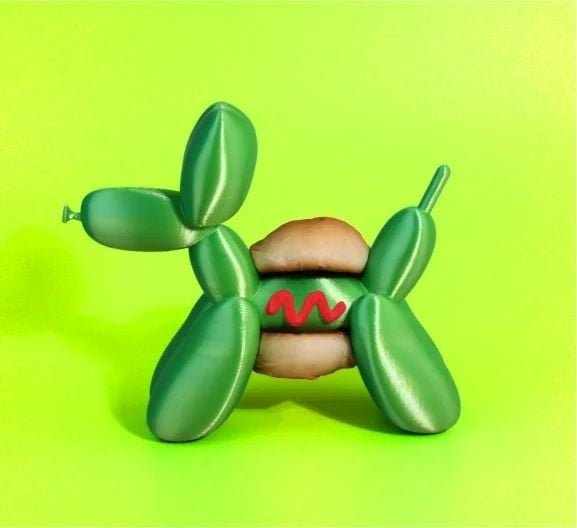
Real-world testing confirms this durability. For example, flexible jointed toys printed in PLA typically last about 30 seconds in a toddler’s hands. The same designs in this PETG filament remained in pristine condition after three weeks of play.
These mechanical advantages naturally lead to improvements in print speed and efficiency, which we’ll discuss in the next section.
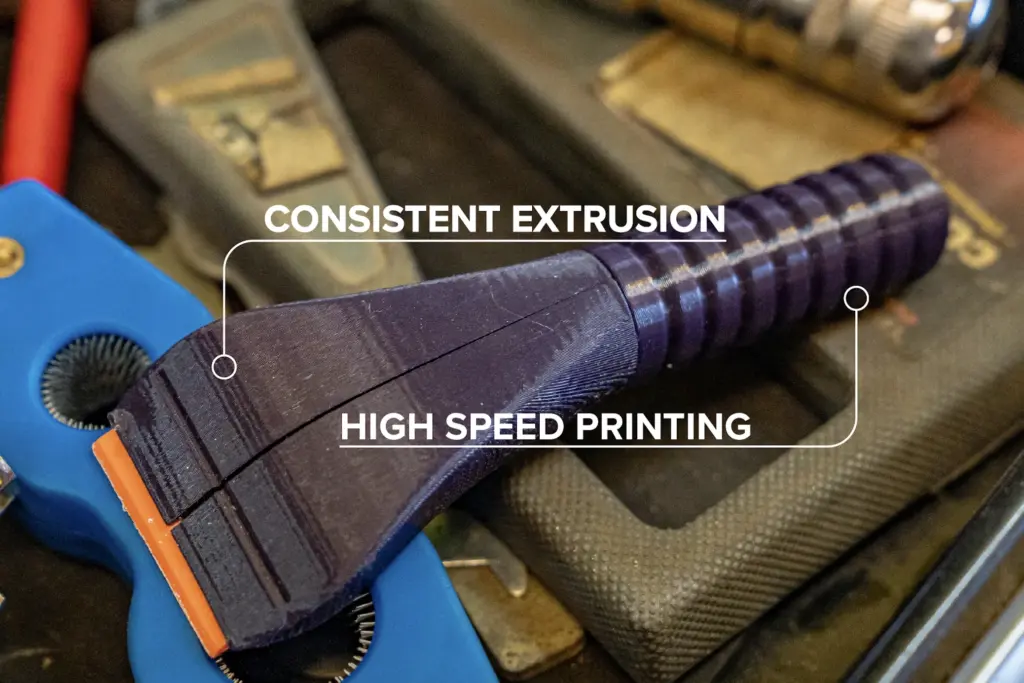
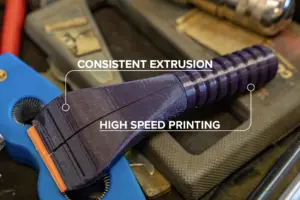
Traditional PETG filament maxed out at volumetric flow rates of 11-14 mm³/s—acceptable in the past but sluggish by modern standards. This new formula handles double that flow rate with extremely reliable results at 22 mm³/s on a Bambu Lab P1S.
For makers seeking maximum productivity, upgrading to a high-flow nozzle (such as the E3D HTA 0.4mm HF) enables flow rates above 30 mm³/s. This translates to dramatic time savings—in some cases shaving hours off complex prints with no visible compromise in surface quality. Optimizing how the print head is moving—such as adjusting travel movements and retraction settings—can further improve print quality at these high speeds by reducing stringing and surface imperfections.
Speed benefits:
With these speed improvements, it’s important to ensure your 3D printer setup is optimized for PETG, which we’ll cover next.
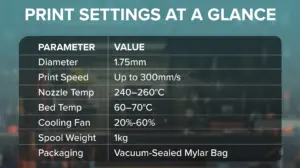
To get the best out of PETG filament, your 3D printer setup plays a crucial role. Start with a heated bed, this is essential for achieving strong layer adhesion and preventing warping, especially on larger prints. The ideal heated bed temperature for PETG is between 75-90 °C, which helps the first layers bond securely and keeps your prints flat and durable from the very beginning.
Equally important is a reliable extruder capable of reaching temperatures between 230-250 °C, ensuring the PETG filament melts smoothly and flows consistently. For optimal results, make sure your printer is equipped with a part cooling fan. This helps regulate the cooling process, preventing overheating and promoting even, strong layers throughout your print.
By meeting these 3D printer requirements, you’ll unlock the full potential of PETG filament—producing prints that are not only durable but also visually impressive. Whether you’re making functional parts or creative projects, the right setup ensures every print meets your expectations for quality and strength.
Transitioning from printer setup, let’s look at how to configure your heated bed for the best PETG results.
A properly configured heated bed is the foundation for successful PETG printing. Set your heated bed to a temperature between 75-90 °C, adjusting within this range based on your specific PETG filament and printer model. Consistency is key—make sure your bed is level and free from dust or debris, as even small imperfections can impact layer adhesion and the final print quality.
Many 3D printers come with a glass bed or blue painter’s tape, which can work for PETG, but for the best results, consider upgrading to a PETG-friendly build surface like PEI or BuildTak. These surfaces are designed to enhance adhesion during printing and allow for easy part removal once your print is complete.
By taking the time to fine-tune your heated bed configuration, you’ll minimize warping, improve the quality of each layer, and ensure your PETG filament delivers the reliable, professional results you expect, no matter what you’re printing.
With your bed dialed in, let’s explore the visual appeal and color options that set modern PETG apart.
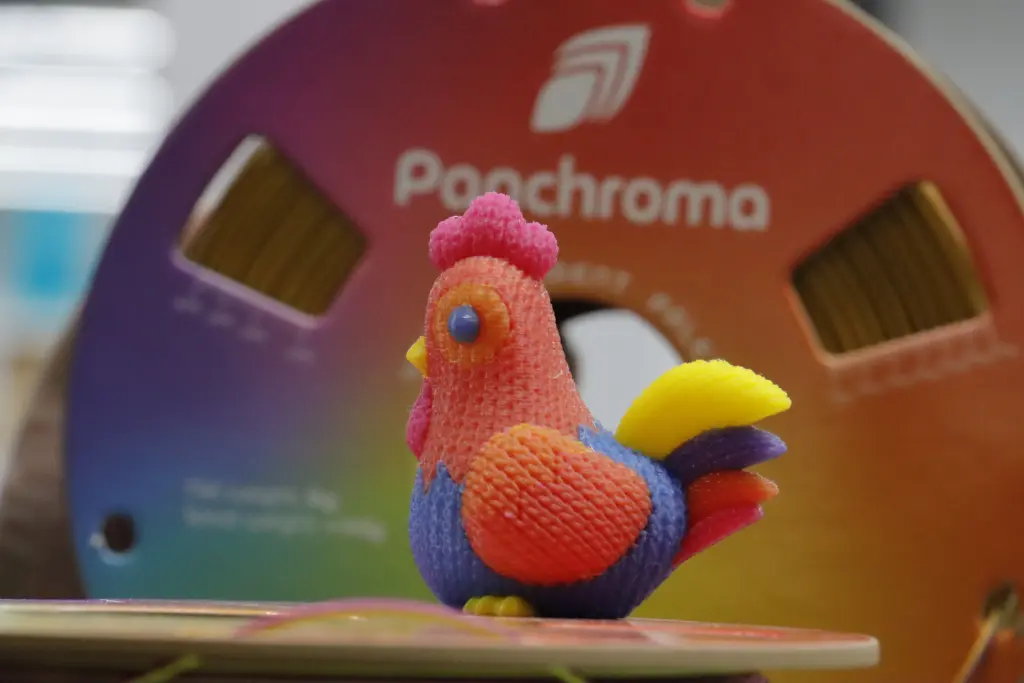
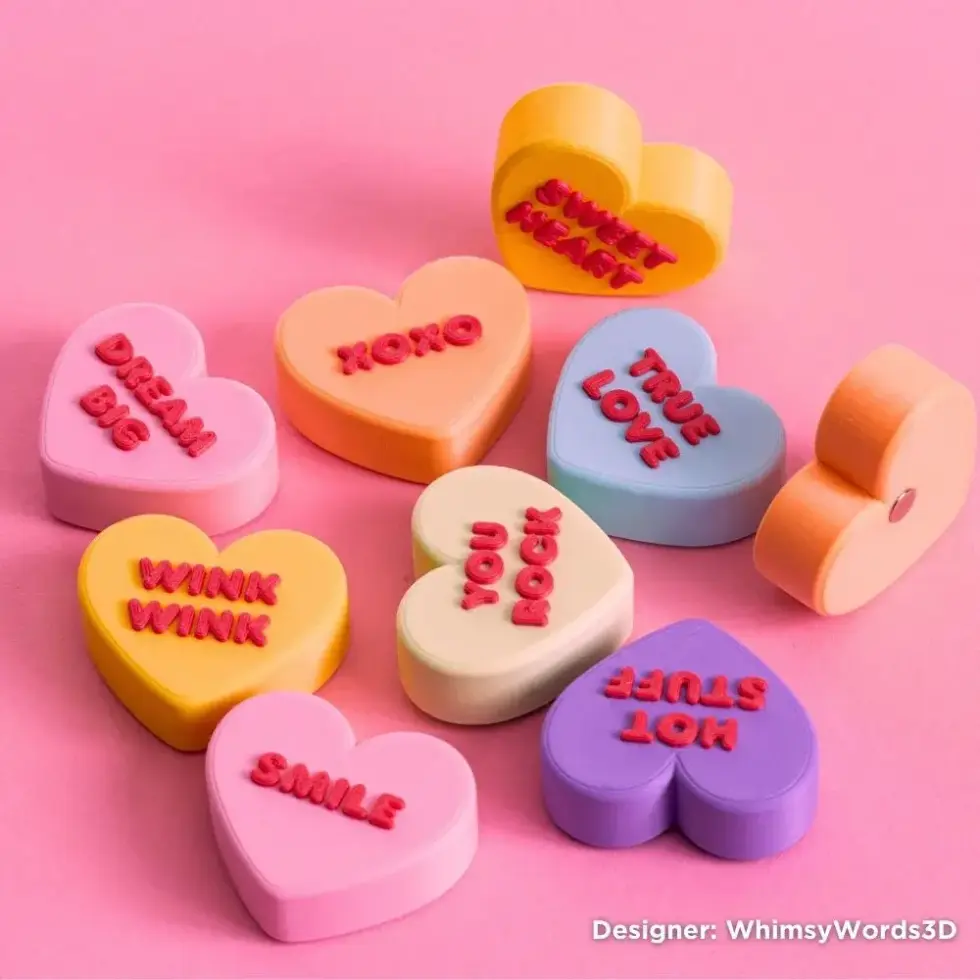
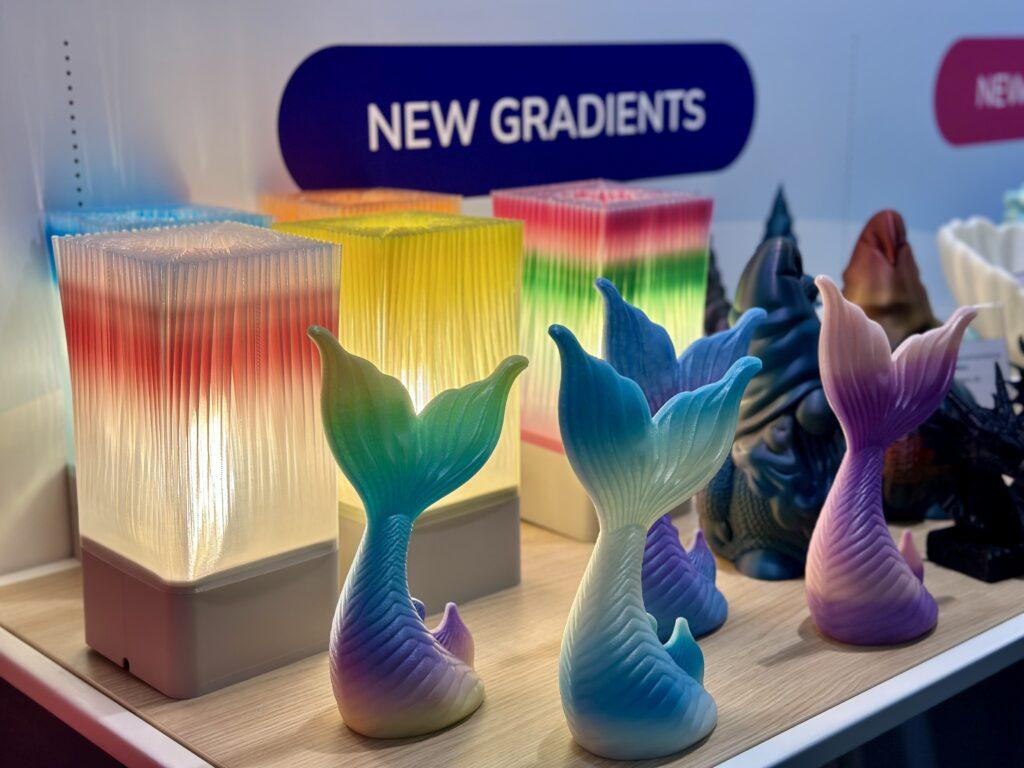
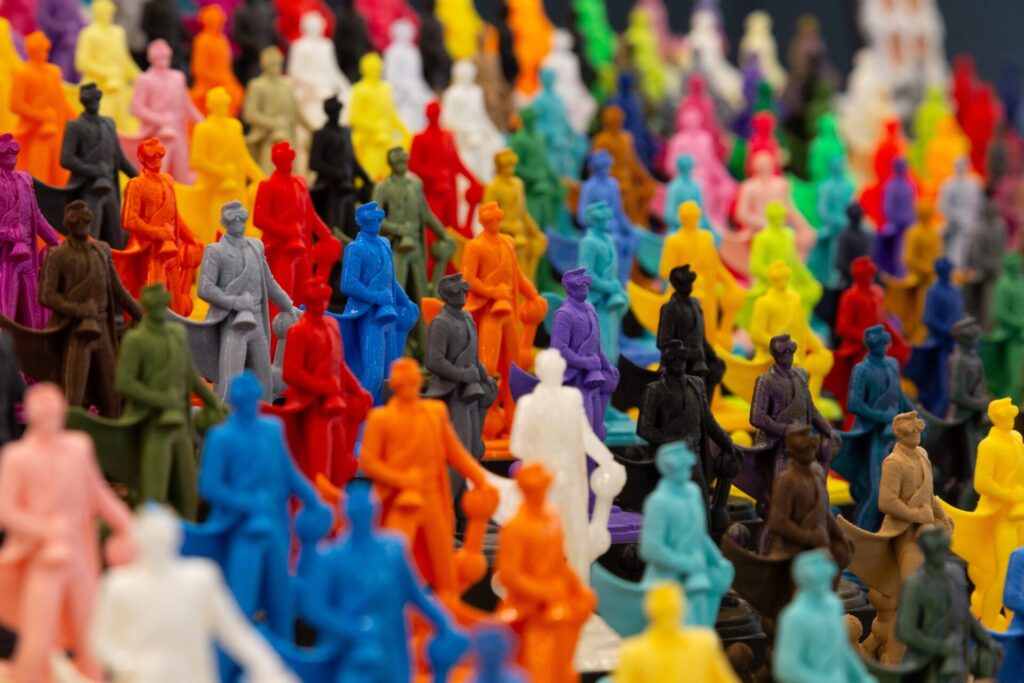
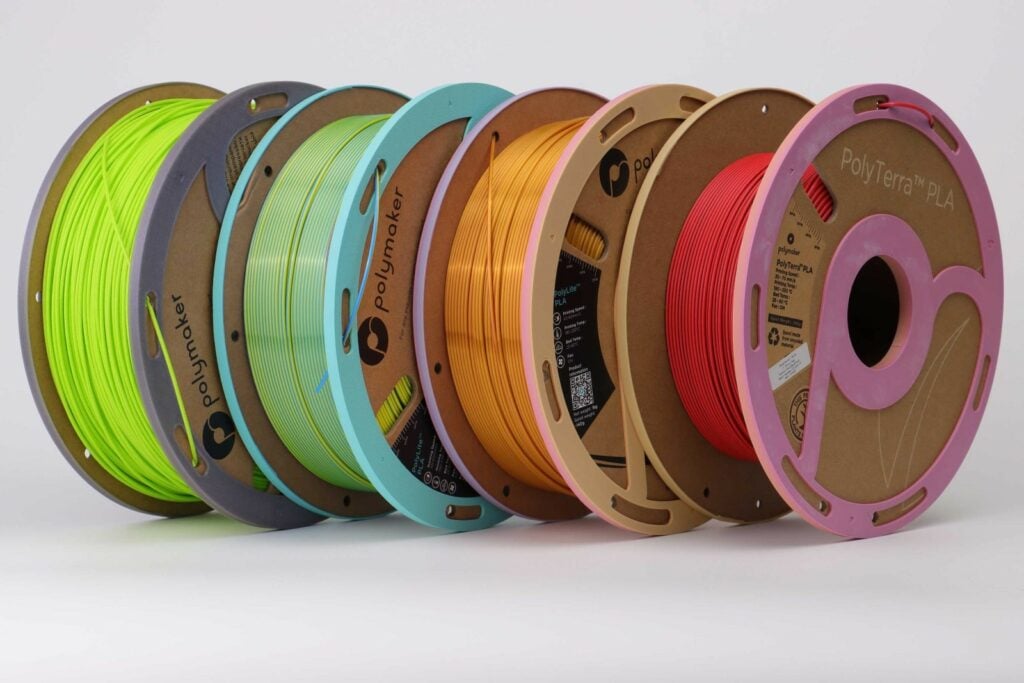
Beyond the technical specifications, this high-quality PETG delivers an aesthetic experience that genuinely stands out. The color saturation is remarkable, with a subtle sheen that makes prints feel alive. Before loading your filament, be sure to remove any packaging materials such as stickers, chips, or straps from the filament spool to ensure smooth setup and optimal print quality.
Visual characteristics:
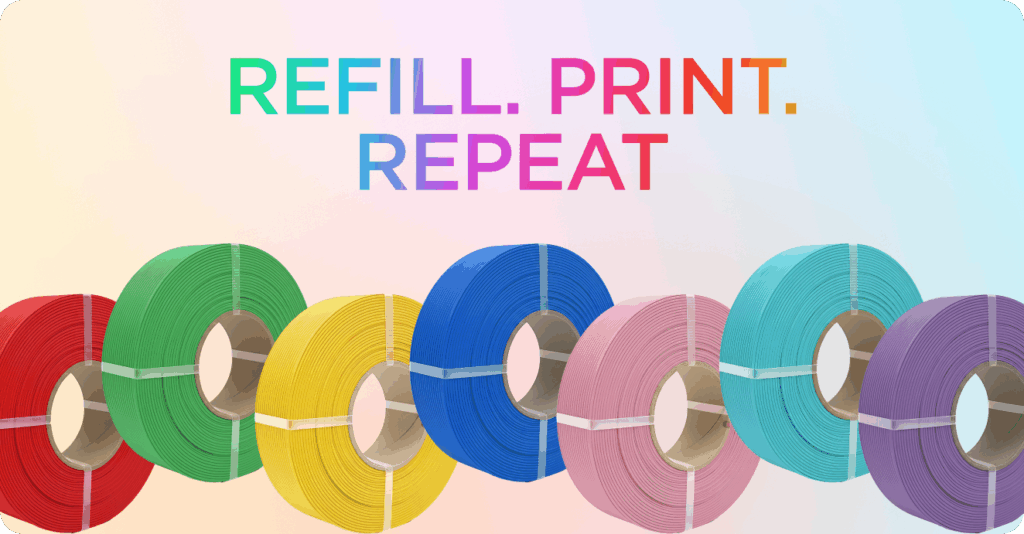
Anycubic PETG filament is available in a wide range of colors including black, white, grey, red, yellow, blue, green, purple, orange, and pink, similar to other high-speed, high-strength PETG filaments. Atomic Filament offers PETG in unique shades such as Translucent Neon Yellow and Bright White Opaque. PETG filament is also available from various brands including Anycubic, IC3D, HATCHBOX, and Atomic Filament.
Whether you’re printing decorative pieces or functional parts, the visual quality adds value to every project.
Next, let’s address one of PETG’s classic challenges: stringing control.
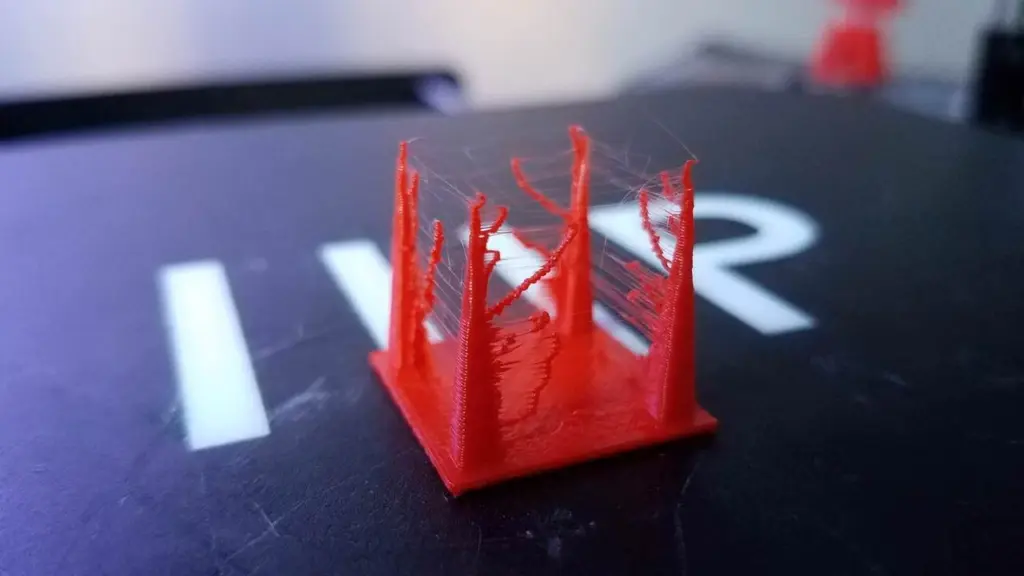
One of PETG’s oldest pain points has been stringing and oozing. Through careful adjustments to melt flow index and surface tension, this filament transitions cleanly between extrusion and retraction.
For more detailed tips on reducing stringing and blobs during PETG printing, refer to our Print Quality Guide.
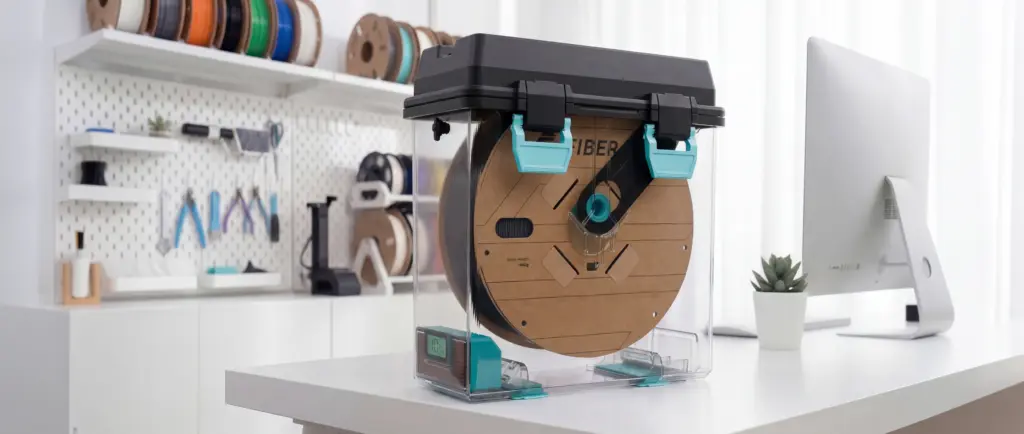
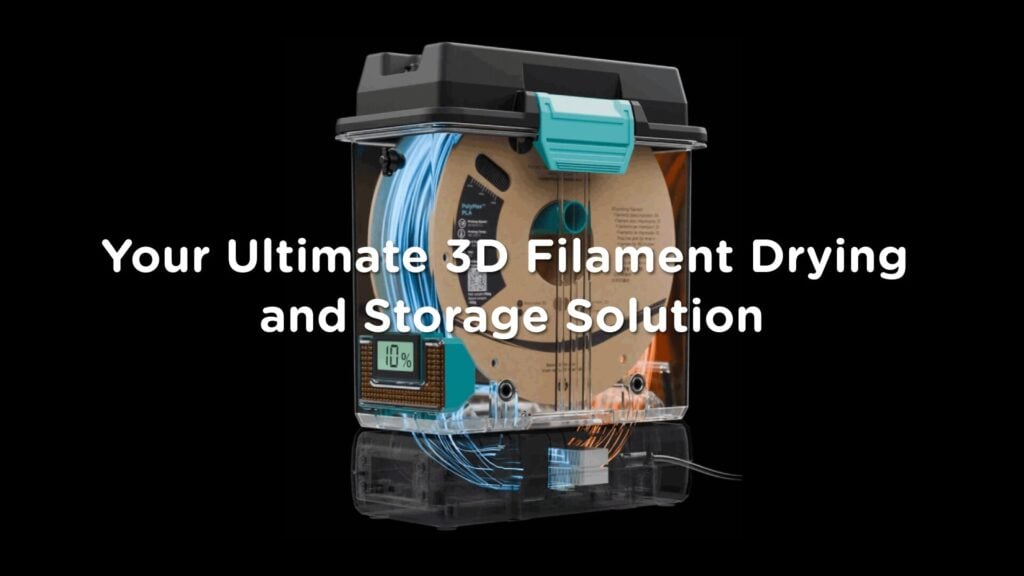
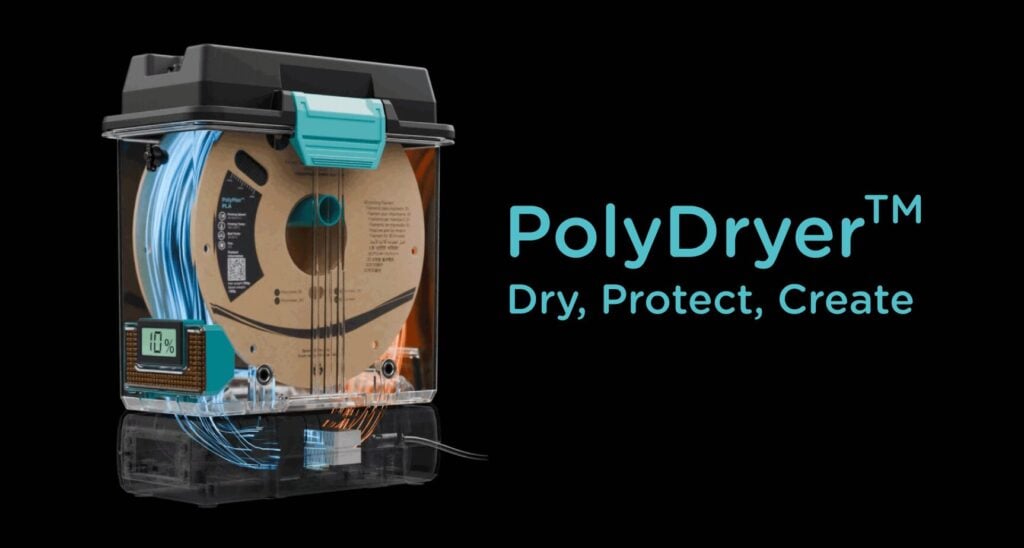
Like all PETG variants, this formula is hygroscopic (moisture-absorbing) and absorbs moisture from the air, which can impact print quality if not dried properly. However, proper storage makes management simple:
Keeping filament dry eliminates the need for heat guns or torches to clean up strings, ensuring clean prints consistently.
With stringing under control, PETG’s weather resistance makes it a top choice for outdoor and rugged applications.
When it comes to 3D printing projects that need to stand up to the elements, PETG filament is a top performer. Thanks to its polyethylene terephthalate (PET) base, PETG combines impressive weather resistance with the strength and durability makers demand for functional parts. Whether you’re printing outdoor fixtures, rugged toys, or mechanical prototypes, PETG is engineered to maintain its integrity and appearance, even after prolonged exposure to sun, rain, or fluctuating temperatures.
One of the standout features of PETG filament is its ability to resist moisture, UV light, and extreme temperatures. This makes it an ideal material for outdoor applications where other filaments like PLA might crack or fade, and ABS could warp or emit strong odors during printing. With PETG, you get a material that’s tough enough for real-world use, yet easy to print on most 3D printers. Achieving strong layer adhesion is simple with a heated bed, ensuring your prints are both durable and reliable, layer after layer.
PETG’s unique formulation means you don’t have to worry about delamination or brittle failures. Instead, you can focus on making things that last, whether it’s a garden tool holder, a weatherproof sign, or a set of colorful outdoor toys. The filament’s low tendency for warping and minimal odor during printing make it a pleasure to use, while its resistance to stringing and oozing (with the right nozzle and settings) ensures clean, professional results.
In the market, PETG filament is available in a vibrant spectrum of colors, green, blue, yellow, red, white, and clear, allowing you to match your project’s needs or add a pop of color to your outdoor creations. With the right care and storage, PETG prints retain their color and strength over time, even in challenging environments.
To get the best results, use a high-quality spool, fine-tune your print settings, and consider an enclosure for larger or more complex projects, taking advantage of regional stores with free-shipping filament options where available. This will help reduce stringing and ensure consistent extrusion, especially when printing functional parts that need to perform outdoors. And because PETG is less prone to warping than ABS and tougher than PLA, it’s the perfect choice for anyone looking to create strong, weather-resistant prints without the hassle.
Ready to take your 3D printing projects outside? Click to view our selection of high-quality PETG products and get started today. With PETG filament, you can continue making things that are not only beautiful but built to last, no matter where your creativity takes you. Order now and experience the perfect blend of strength, color, and weather resistance for all your 3D printing needs.
With PETG’s outdoor durability established, let’s look at the value proposition of modern PETG filaments.
Despite these comprehensive improvements, this PETG filament is priced under $20 worldwide. This affordability results from:
You get:
This best PETG for printing occupies a sweet spot in the material spectrum. It offers more strength than PLA while remaining easier to work with than engineering-grade materials like ABS or nylon.
Ideal applications:
This PETG performs exceptionally well in multi-material printers. Testing with modern multi-color systems showed:
With value and versatility in mind, let’s compare PETG to other popular 3D printing filaments.
When you PETG compare it to other popular 3D printing filaments, its advantages quickly become clear. PETG filament stands out for its unique blend of strength, durability, and ease of use. Unlike PLA, which is known for its simplicity but can be brittle, PETG is tough enough for functional parts and toys that need to withstand daily wear and tear. Its impact resistance makes it ideal for projects where strength is a priority.
Compared to ABS, PETG offers a much lower odor during printing and is less prone to warping, making it a great choice for indoor use and for those who want to avoid the hassle of enclosures or ventilation. PETG also excels in print quality, producing clear, glossy finishes with minimal stringing when dialed in correctly.
Whether you’re printing prototypes, mechanical parts, or colorful toys, PETG filament is a great all-around material that combines the best features of PLA and ABS—making it an ideal choice for makers who want reliable, strong, and easy-to-use filament for a wide range of applications.
Now that you know how PETG compares, let’s discuss how to store and manage your filament for the best results.
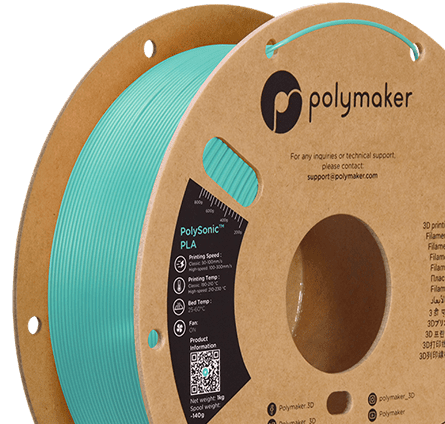
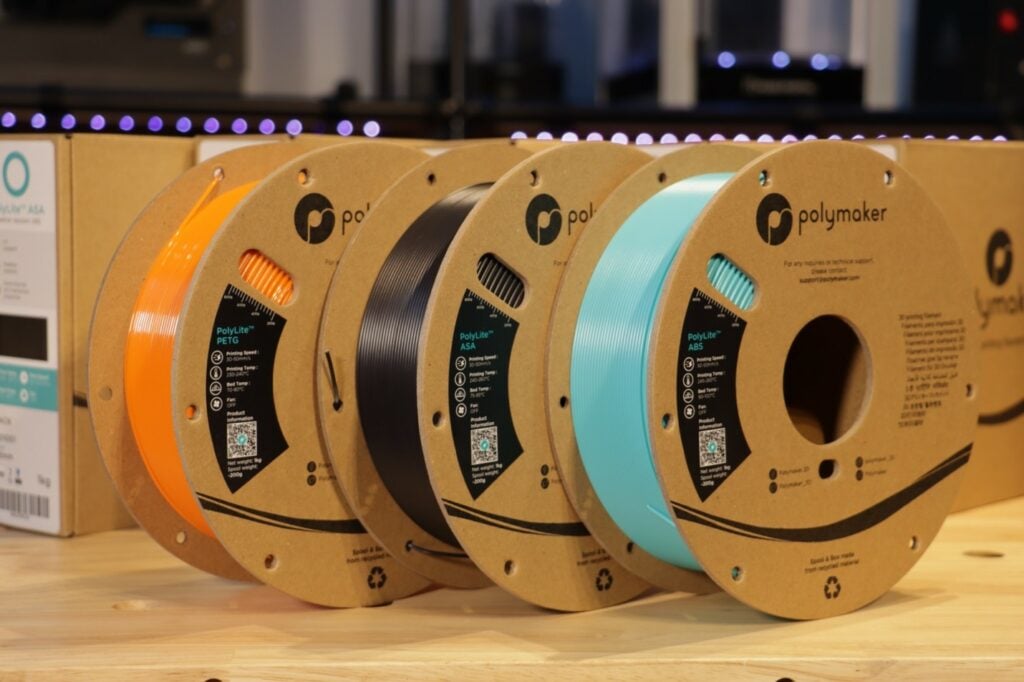
Maximizing the lifespan and performance of your PETG filament starts with smart storage and a reusable filament spool. Using a reusable spool not only helps reduce plastic waste but also keeps your filament organized and tangle-free, making setup for your next print quick and easy.
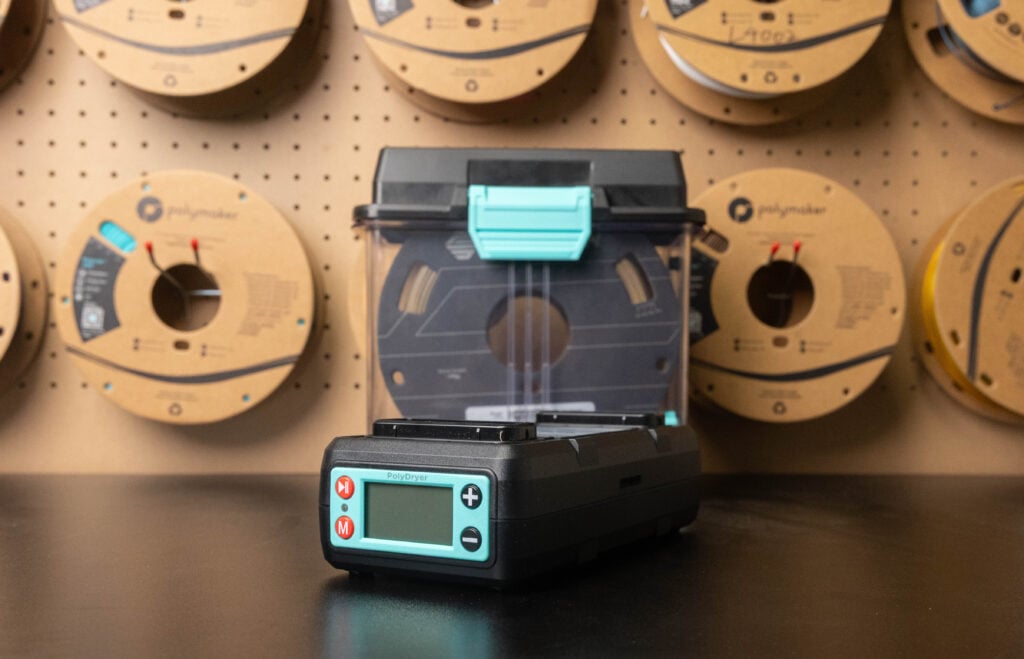
To keep your PETG filament in top condition, store it in a cool, dry place—ideally in a sealed container or bag with a desiccant packet to absorb any moisture. This prevents the filament from absorbing humidity, which can affect print quality and cause issues like stringing or inconsistent extrusion. By taking care to use a reusable spool and proper storage solutions, you’ll ensure your PETG filament is always ready to deliver great results, print after print.
With storage handled, let’s move on to practical tips for getting the best results from your PETG filament.
For makers ready to maximize performance:
With these tips, you’re set up for success. Next, let’s look at the support and warranty you can expect with your PETG purchase.
At Polymaker, we believe that every 3D printing project should be a success from start to finish. That’s why our PETG filament comes with a comprehensive warranty and the backing of a dedicated support team. Whether you’re new to 3D printing or an experienced maker, you can print with confidence knowing that help is just a message away.
Our satisfaction guarantee means you can trust the quality and consistency of every spool of PETG filament. If you ever have questions about print settings, troubleshooting, or achieving the best results, our knowledgeable support staff is ready to assist. We’re passionate about helping you get the most out of your 3D printing experience—so you can focus on creating, innovating, and bringing your ideas to life.
Looking ahead, let’s see what the future holds for PETG filament.
The future of PETG filament is brighter than ever, with exciting innovations on the horizon. At Polymaker, we’re constantly exploring new ways to enhance our filament—whether it’s developing fresh color options, introducing special finishes like metallic or wood-like effects, or improving the material’s strength and durability for even more demanding applications.
Sustainability is also a key focus for us. We’re working to make our PETG filament more eco-friendly by reducing waste and exploring recycled content, ensuring our products support both your creativity and the environment. Our ongoing research and development efforts are aimed at pushing the boundaries of what PETG filament can do, so you can expect even better performance, reliability, and versatility in the future.
Whether you’re a hobbyist, professional, or industrial user, we’re committed to providing the best PETG filament for all your 3D printing projects—today and tomorrow. Stay tuned for new products, colors, and features designed to help you continue making things that matter.
After a decade in 3D printing, seasoned professionals report that this formula completely changed their perspective on PETG. The material that was once dismissed as "too slow" or "too stringy" has become a go-to choice for projects requiring:
✅ Speed – 2x faster than traditional PETG
✅ Strength – Near-isotropic properties with excellent impact resistance
✅ Reliability – Consistent results on modern printers
✅ Value – Premium performance at an accessible price
✅ Aesthetics – Vibrant colors with professional finish
This isn't the same PETG material you may have tried years ago. This is what PETG filament was always meant to be.
If you've written off PETG in the past due to slow speeds, stringing issues, or limited color options, it's time to take another look. The new generation of high-quality PETG addresses every traditional weakness while delivering exceptional value.
Whether you're a beginner seeking a step up from PLA or an enthusiast looking for faster production times without compromising strength, modern PETG filament offers a compelling solution. With printing speeds doubled, strength improved by nearly 50%, and vibrant colors available at under $20, this material bridges the gap between basic and engineering-grade filaments perfectly.
Don't let outdated perceptions hold your projects back. Discover why makers are calling this the best PETG for printing on the market today.
Transform your 3D printing with faster speeds, superior strength, and stunning colors. Order today and experience the difference that molecular-level engineering makes.



















Please fill in the form below or if you have other questions are not included in the form, please contact us through [email protected]. We will get back to you soon.
Please fill in the form below or if you have other questions are not included in the form, please contact us through [email protected]. We will get back to you soon.