Every great racing machine starts long before it hits the track, it begins as an idea, shaped by engineering precision, creativity, and relentless iteration. At the UPM MotoStudent Petrol team, that journey is accelerated through the power of 3D printing and high-performance materials from Polymaker. Carbon fiber filament is a plastic filament mixed with small chopped carbon fibers, which enhance stiffness, improve dimensional accuracy, and reduce warping during printing.
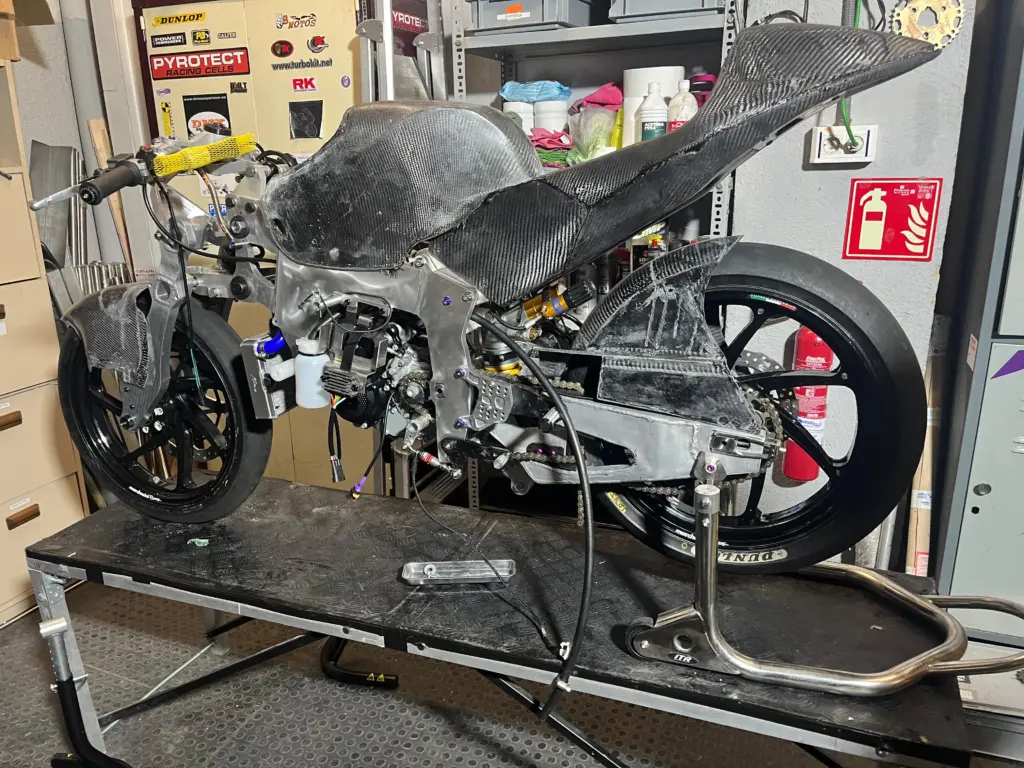
Representing the Universidad Politécnica de Madrid, the UPM MotoStudent Petrol team is a multidisciplinary group of students competing in the prestigious MotoStudent competition. Every two years, the team designs and builds a brand-new motorcycle prototype from scratch, then continuously refines it for competitive racing, including participation in the Portuguese National Championship.
With dedicated departments spanning:
• Mechanics
• Aerodynamics
• Powertrain
• Electronics
• Marketing
…the team operates like a professional racing organization, where innovation and efficiency are critical.
For a student racing team working under tight timelines and budgets, agility is everything. That’s where 3D printing becomes a game-changer.
By integrating additive manufacturing into their workflow, the team can:
• Rapidly iterate on designs
• Reduce manufacturing costs
• Produce complex geometries that would otherwise be impossible
Their use of 3D printing spans across multiple functions:
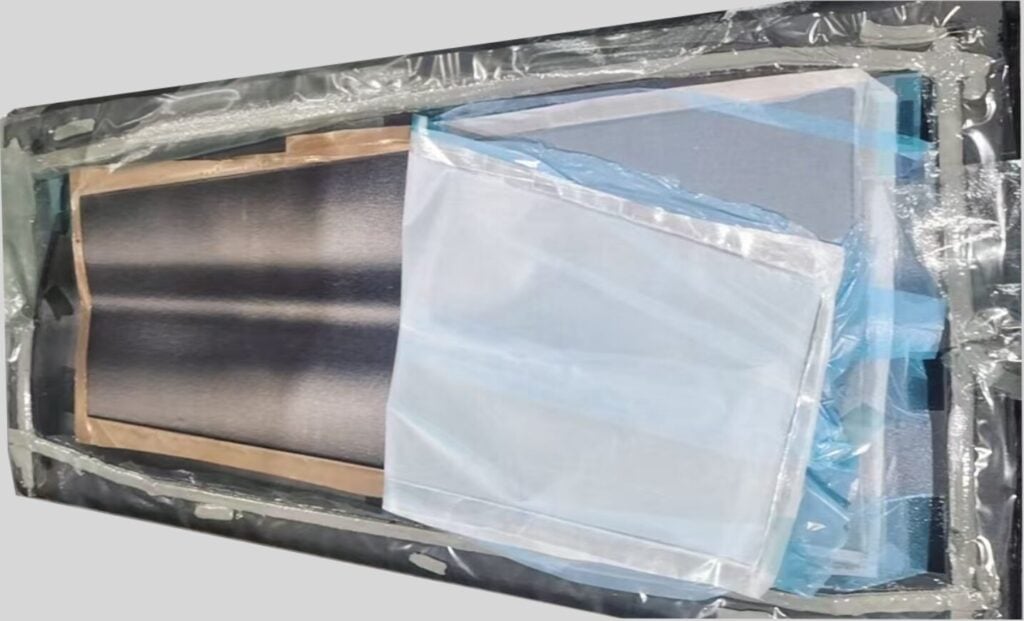
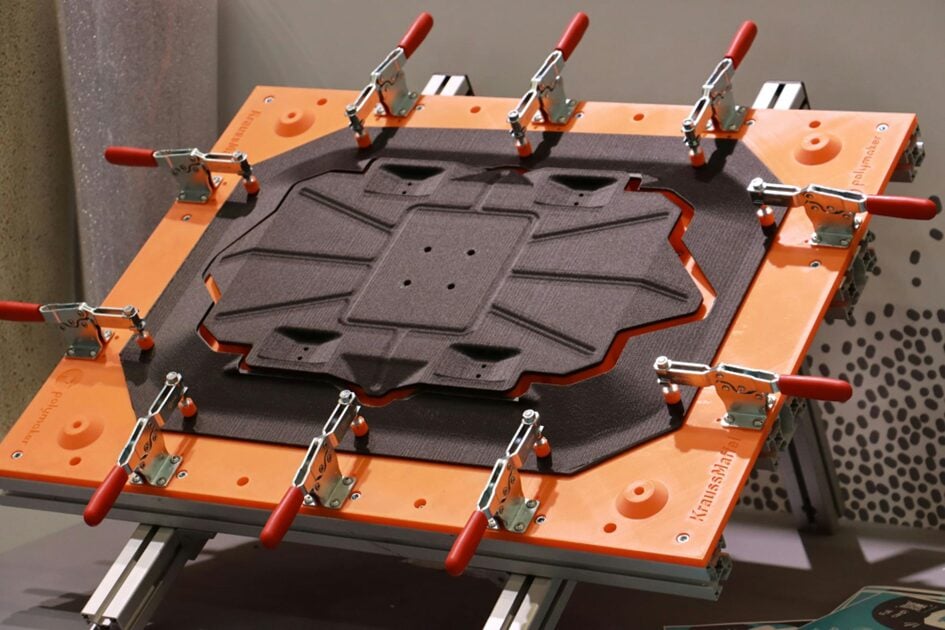
• Carbon fiber mold production
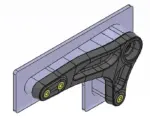
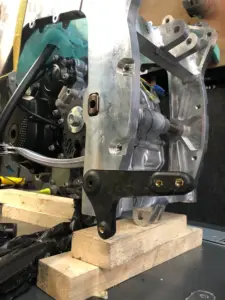
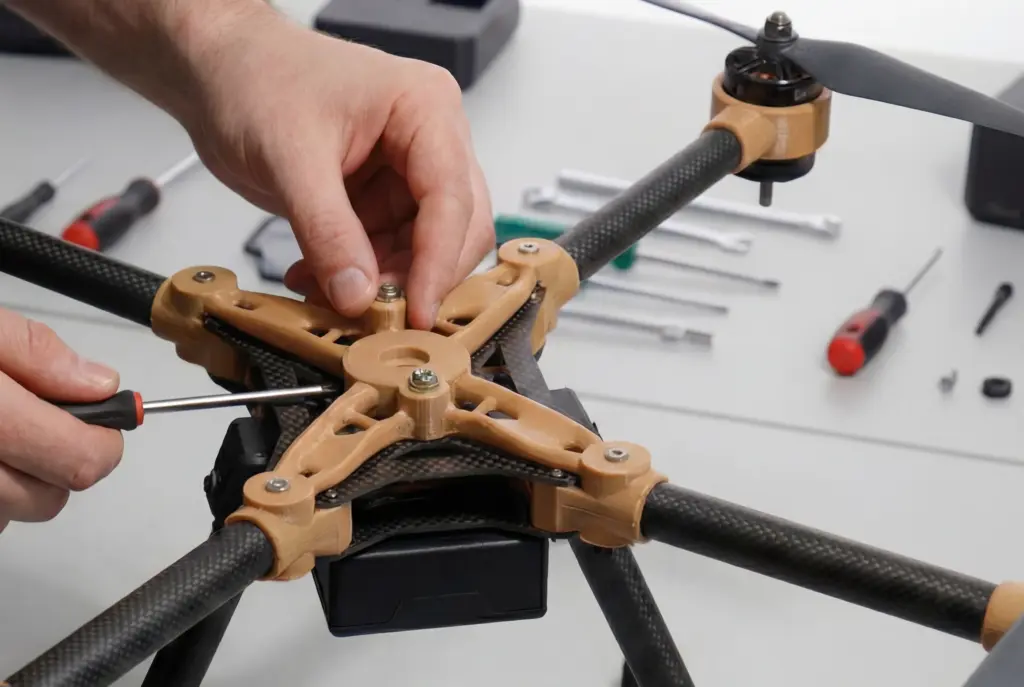
• Structural supports and brackets
• Functional mechanical components
• Team merchandise and prototypes
This flexibility allows them to move seamlessly from concept to physical part, often within hours. Small batch production is especially valuable for producing strong, durable, and custom parts quickly and cost-effectively, ideal for prototyping, low-volume manufacturing, and specialized components. When assembling molds from multiple printed sections, selecting the appropriate adhesive is essential—especially for PETG—to ensure a secure and durable assembly. The use of glass fiber in reinforced thermoplastics and filaments further enhances stiffness, thermal stability, weather resistance, and overall durability for demanding applications. Printing at higher resolution can achieve a smoother surface on the mold, facilitating easier release and better surface quality. It’s also important to consider the intended application of the printed part when selecting filament, focusing on properties like stiffness, heat resistance, and durability.
Proven Applications
The team has already leveraged 3D printing for a variety of critical components, including:
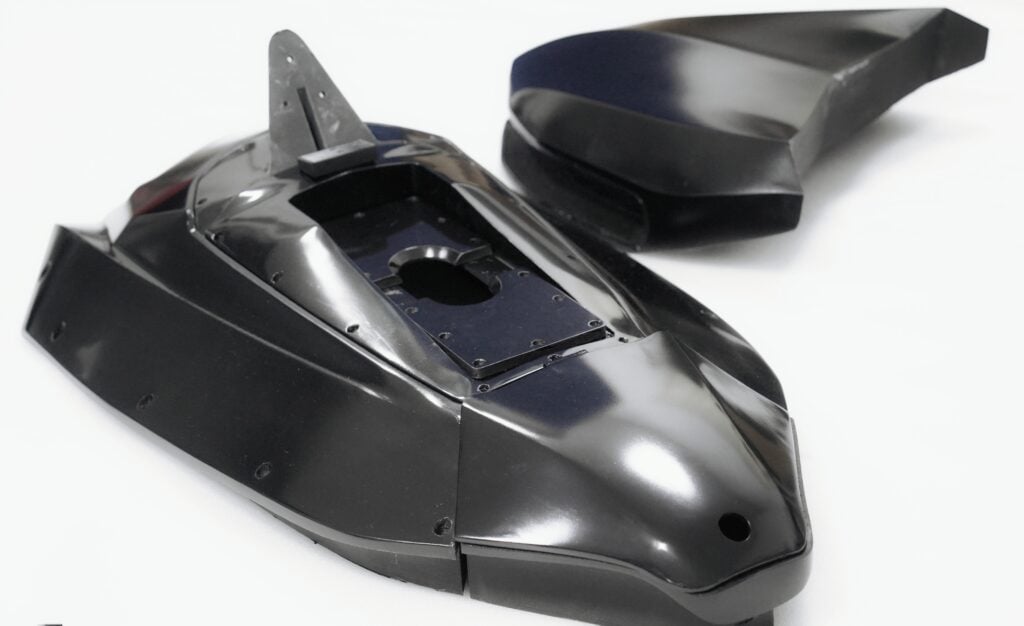
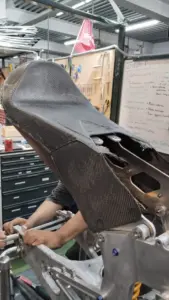
• Tail section molds
• Gas tank cover molds
• Spark plug coil holders
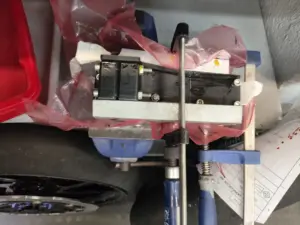
• Shifter linkage molds for carbon fiber compression
These applications demonstrate how additive manufacturing is not just a prototyping tool but a core production method in high-performance motorsport environments.
Material selection is crucial when performance, durability, and precision are non-negotiable. The team strategically uses a range of Polymaker materials to match each application.
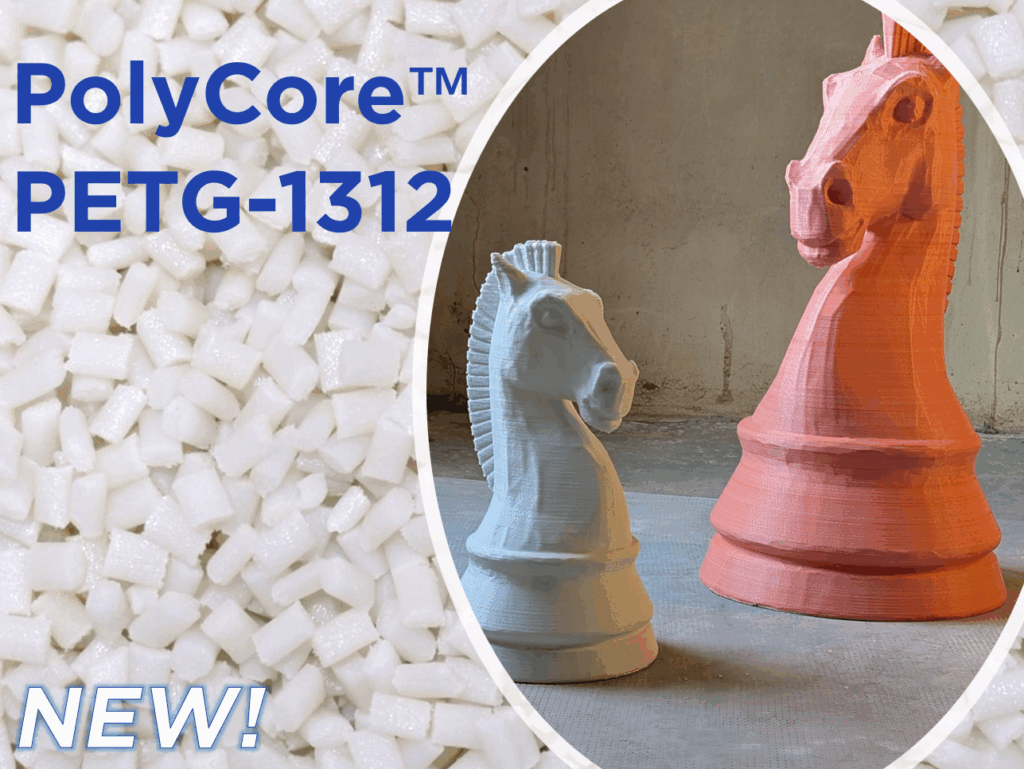
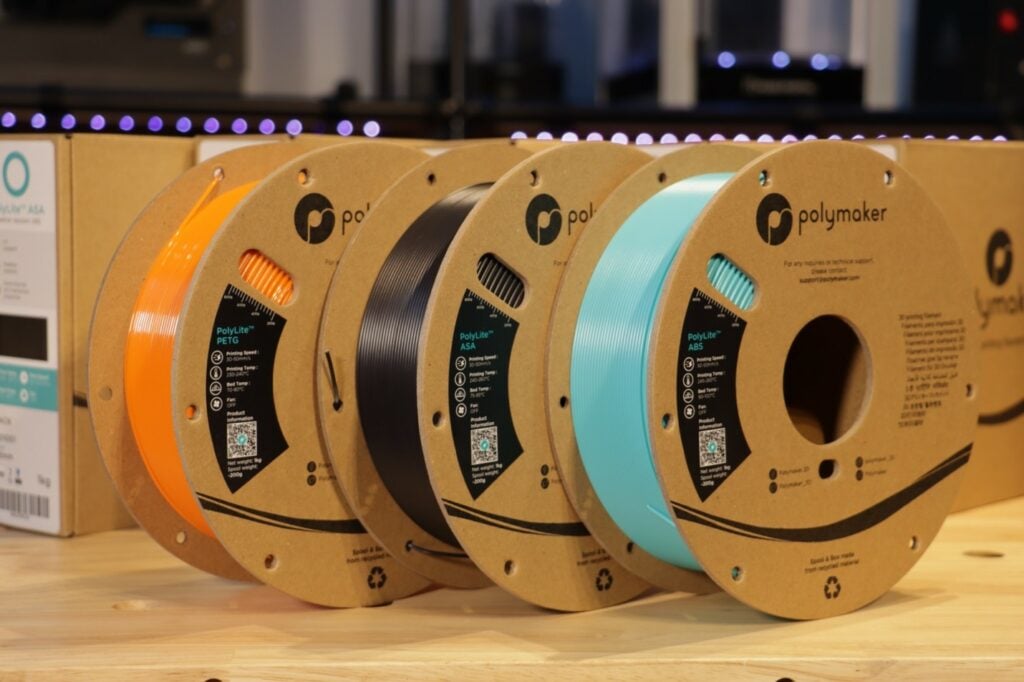
Polymaker™ PETG
Their go-to material for mold-making:
• Excellent flexibility for easy release
• Fast and reliable printing
• Versatile across multiple use cases
PETG carbon fiber filament offers a balance of strength and rigidity, making it suitable for brackets, enclosures, and daily use parts, while high-performance CF filaments are designed for industrial and high-heat applications. PETG is known for its excellent layer adhesion, which contributes to its strength and durability in 3D printed parts. PETG also has good impact resistance and is less brittle than other materials like PLA, making it suitable for functional parts that require some flexibility. When used for molds, PETG offers reliable release properties, which can be enhanced by applying a release agent for easier demolding.
Fiberon™ PA6-CF20 & GF25
Designed for high-performance mechanical parts:
• Outstanding strength-to-weight ratio
• Reinforced with carbon and glass fibers
• Ideal for load-bearing components like brackets and supports
Nylon carbon fiber filament is known for its high strength and durability, making it ideal for tools and mechanical parts.
Panchroma™ Matte PLA
Perfect for prototyping and visual models:
• High-quality surface finish
• Ideal for non-mechanical parts
• Used for scale models and aerodynamic testing
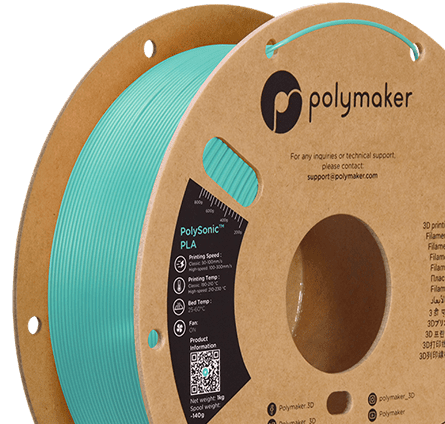
PLA filament is very easy to print and is suitable for visual parts and light functional prints.
By combining these materials, the team achieves the perfect balance between performance, cost-efficiency, and manufacturability.
There are different types of carbon fiber filaments, including PLA, PETG, Nylon, and high-performance CF filaments. Each type varies in ease of printing, strength, rigidity, and heat resistance. PLA carbon fiber is easy to print and great for light functional parts, PETG carbon fiber balances strength and rigidity for everyday use, Nylon carbon fiber offers high strength and durability for tools and mechanical parts, and high-performance CF filaments are designed for industrial and high-heat applications.
The next phase of the project showcases just how far additive manufacturing can go.
Wind Tunnel Testing with a Full-Scale Replica
The team is developing a 2:3 scale 3D printed replica of their motorcycle to validate CFD simulations in a wind tunnel, bringing digital design and real-world testing closer than ever.
Fully Custom Fairing Development
One of their most ambitious projects involves designing and producing a completely custom fairing:
• Digital design translated into physical molds
• Carbon fiber fabrication enabled by 3D printed tooling
• Full control over aerodynamics and performance
3D printing enables the creation of complex internal structures, such as honeycomb or lattice patterns, which maintain structural integrity while significantly reducing mass. Engineers can also produce 'impossible' geometries, including obstructed overhangs, hollow cavities, and integrated fluid channels, which are difficult or too expensive to achieve via traditional manufacturing.
The UPM MotoStudent Petrol team exemplifies how the next generation of engineers is redefining manufacturing. By combining cutting-edge design with Polymaker’s advanced materials, they are not only building a race bike they are building the future of motorsport engineering.
From rapid prototyping to functional end-use parts, 3D printing is no longer optional, it’s essential.
And with the right materials, the possibilities are limitless.
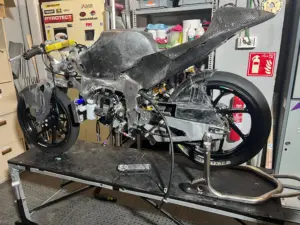
Transforming an initial concept into a race-ready motorcycle is a journey marked by careful planning, iterative design, and rigorous testing. Teams in the UPM MotoStudent competition set ambitious goals: to create motorcycles that excel in performance, safety, and innovation. Leveraging 3D printing with carbon fiber filament, teams can rapidly prototype and refine complex shapes that would be difficult or impossible to manufacture using traditional methods. This approach allows for the integration of intricate fiber structures and optimized geometries, enabling engineers to experiment with new ideas and quickly adapt to design challenges. By embracing additive manufacturing, teams not only accelerate their development cycles but also maximize material efficiency, ensuring that every carbon fiber component contributes to the overall vision of a high-performance, competitive motorcycle.
Carbon fiber stands at the forefront of motorsport innovation, offering a unique blend of high stiffness, strength, and fatigue resistance. These properties make it the material of choice for components subjected to intense stress and vibration, such as frames, swingarms, and aerodynamic fairings. The lightweight nature of carbon fiber enhances the power-to-weight ratio, resulting in improved acceleration, handling, and overall performance on the track. Additionally, the versatility of fiber materials allows engineers to design complex geometries—like monocoque frames and sculpted fairings—that optimize aerodynamics and reduce drag. By harnessing the full potential of carbon fiber, teams can push the limits of motorcycle design, achieving breakthroughs in speed, agility, and durability that set new standards in motorsport engineering.
The advent of 3D printing with carbon fiber filament has revolutionized the production of high-performance motorcycle parts. This additive manufacturing process involves extruding a blend of carbon fibers and thermoplastic polymer through a heated nozzle, building parts layer by layer with remarkable precision. The resulting carbon fiber parts exhibit outstanding mechanical properties, including superior strength, stiffness, and dimensional accuracy. To achieve optimal results, careful attention must be paid to print settings such as layer height and infill density, which help minimize visible layer lines and ensure a smooth surface finish. This technology is particularly advantageous for small batch and low volume production, enabling teams to quickly produce custom components tailored to specific design requirements. By utilizing carbon fiber filament, engineers can create intricate, lightweight structures that meet the demanding standards of motorsport applications.




















Please fill in the form below or if you have other questions are not included in the form, please contact us through [email protected]. We will get back to you soon.
Please fill in the form below or if you have other questions are not included in the form, please contact us through [email protected]. We will get back to you soon.