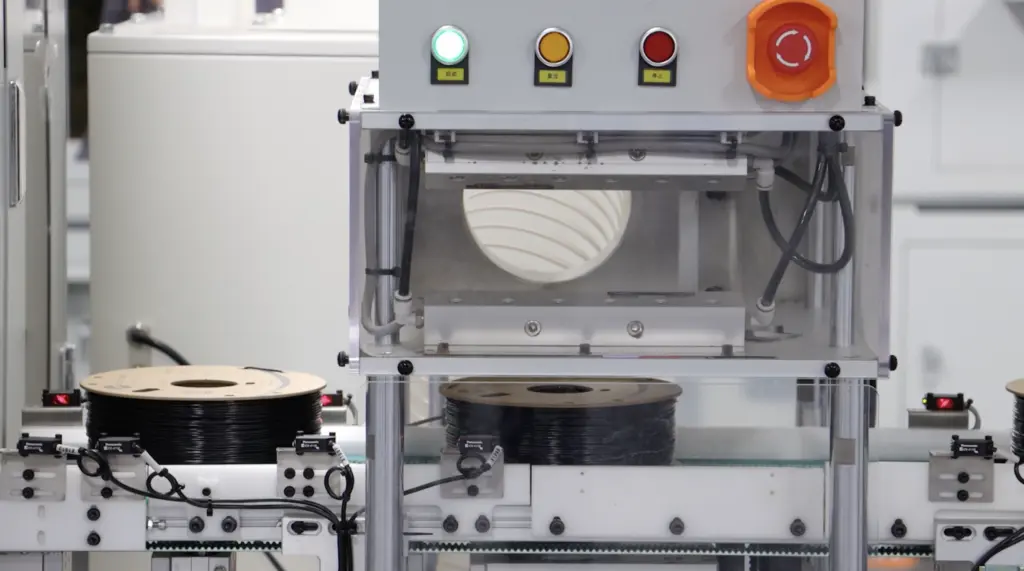
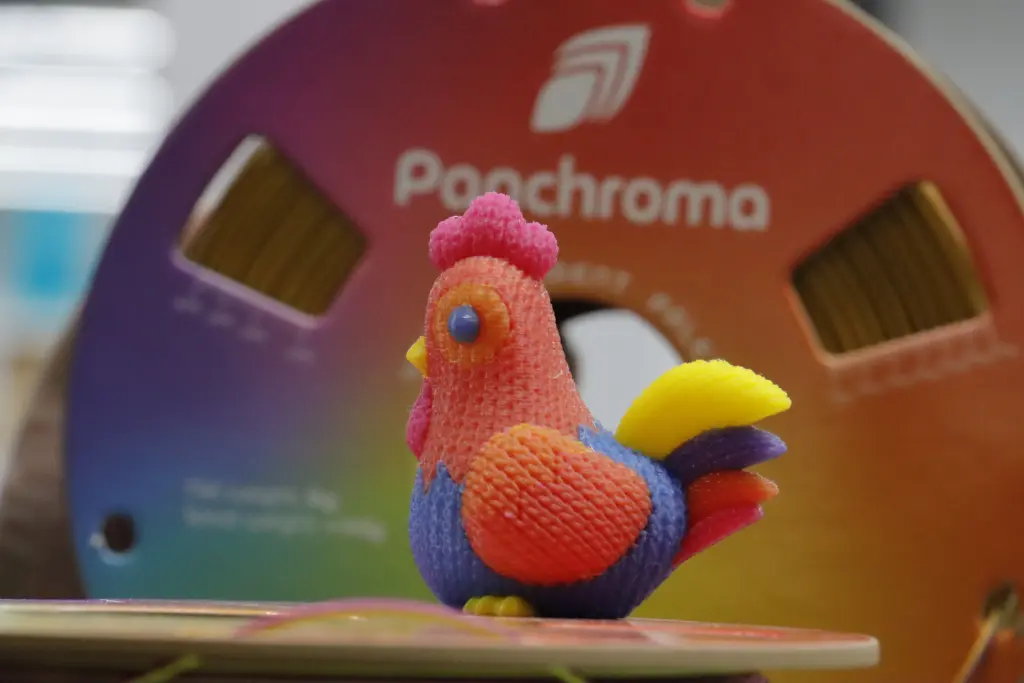
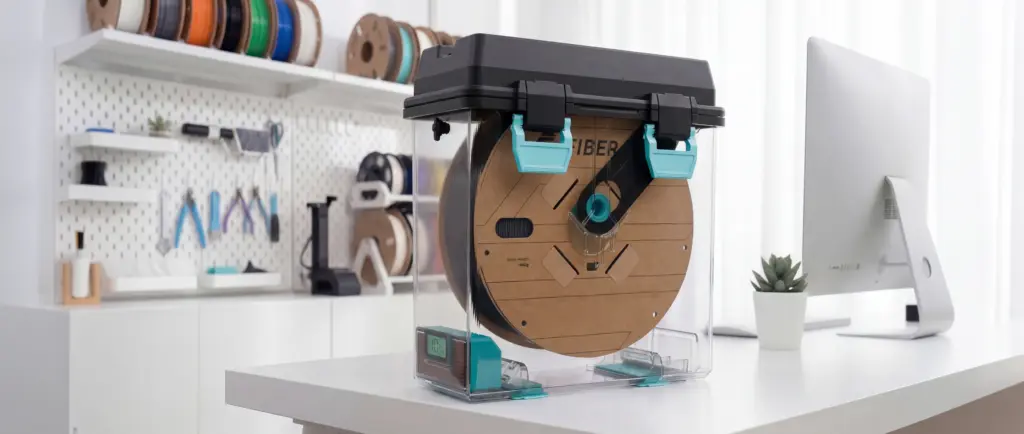
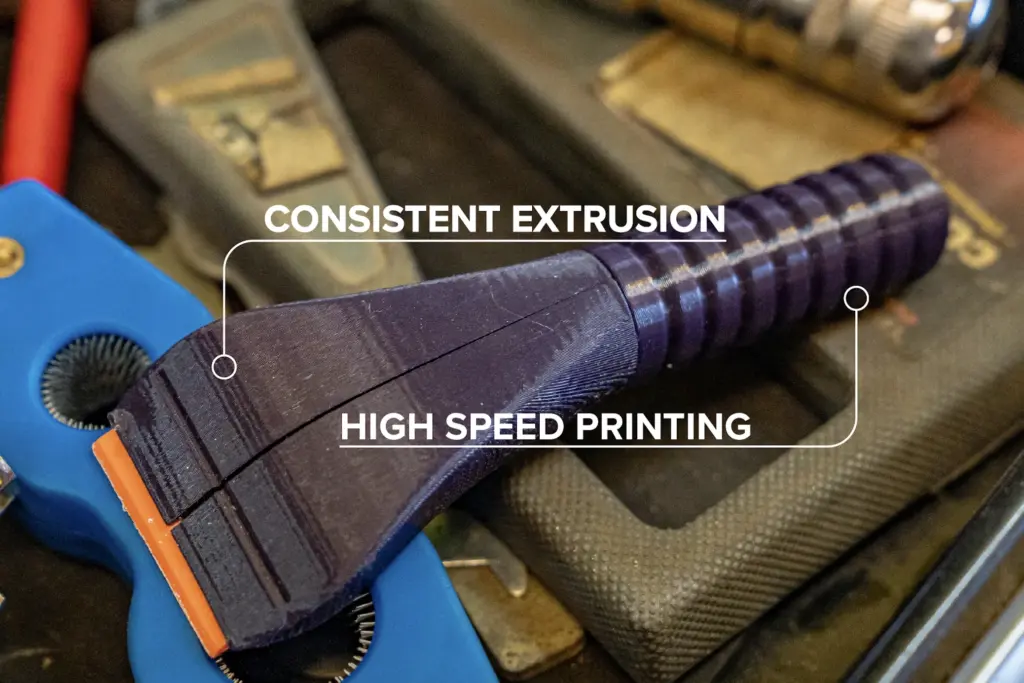
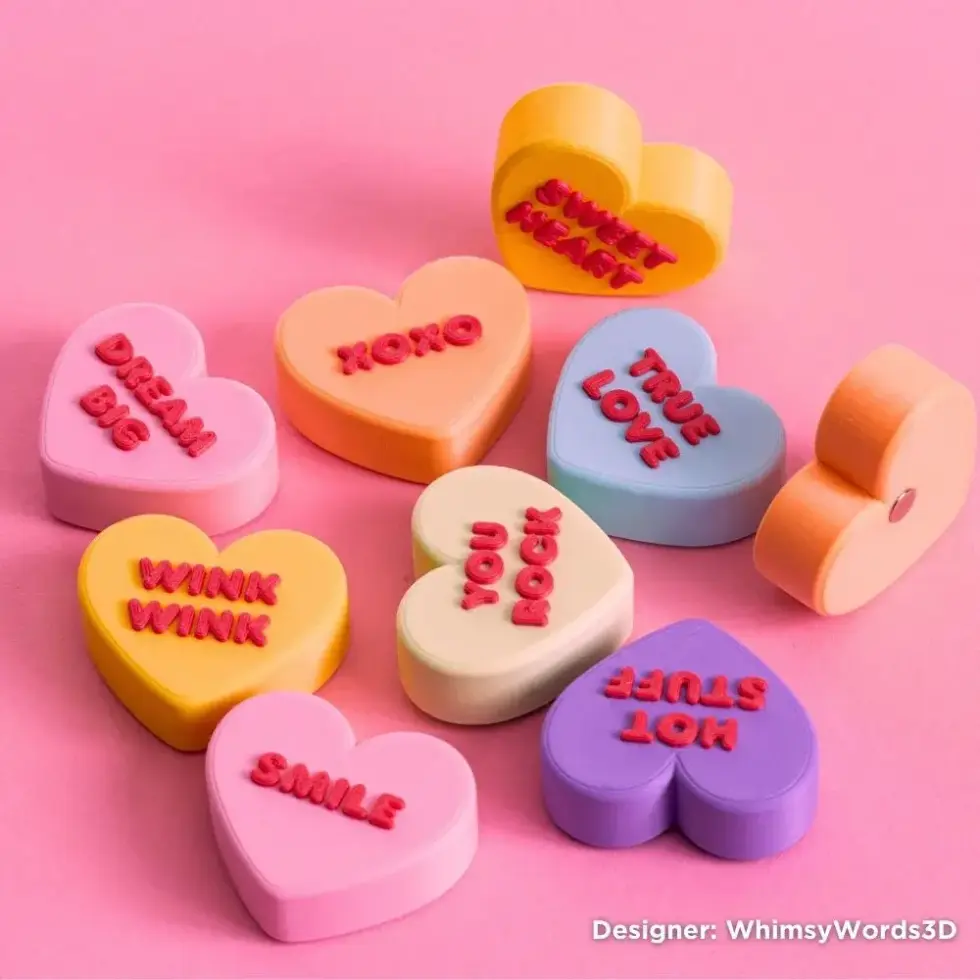
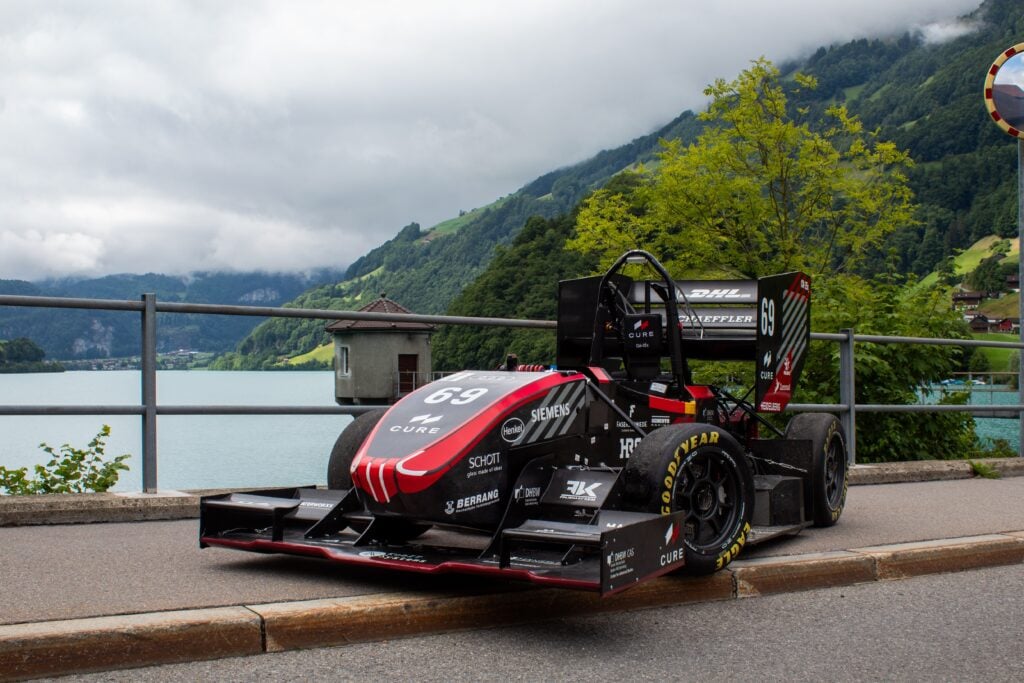
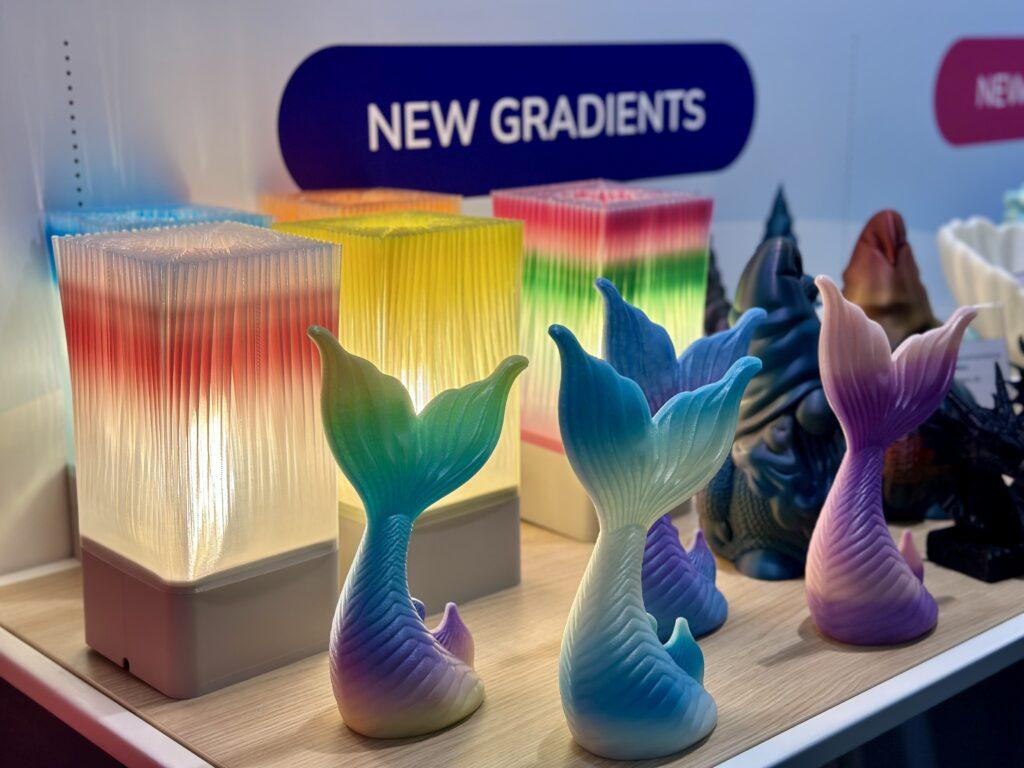
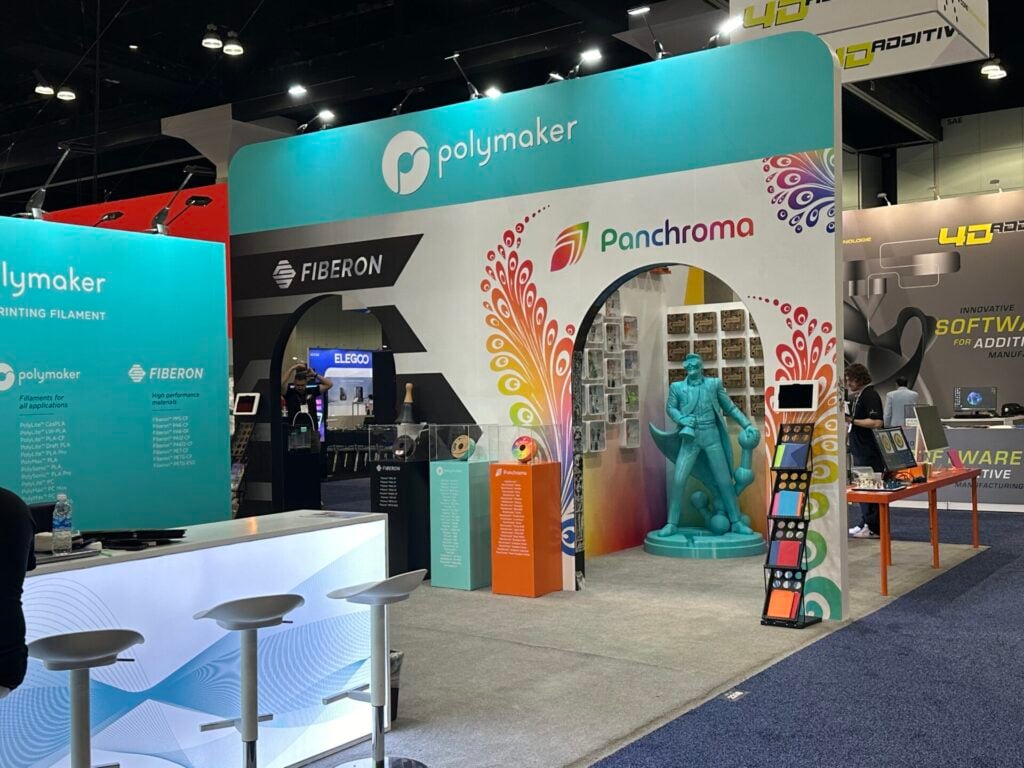
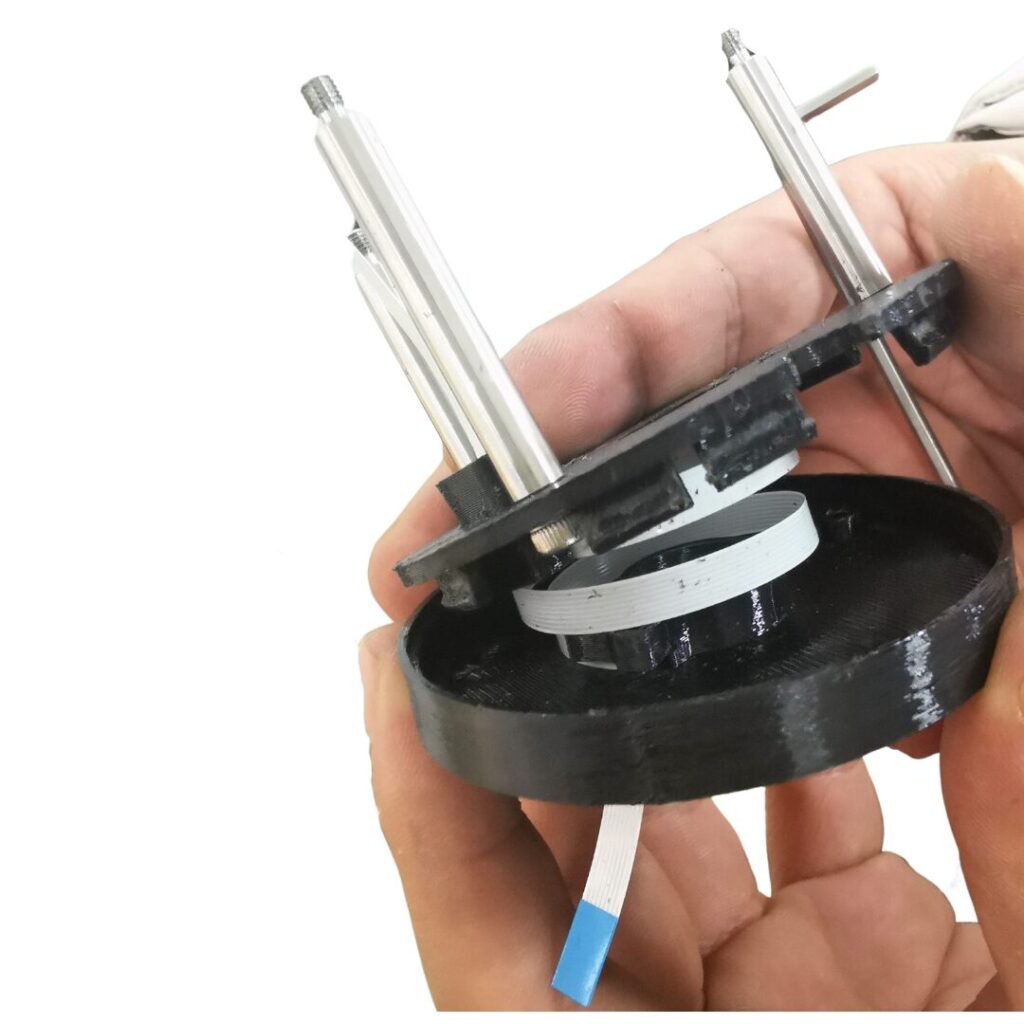
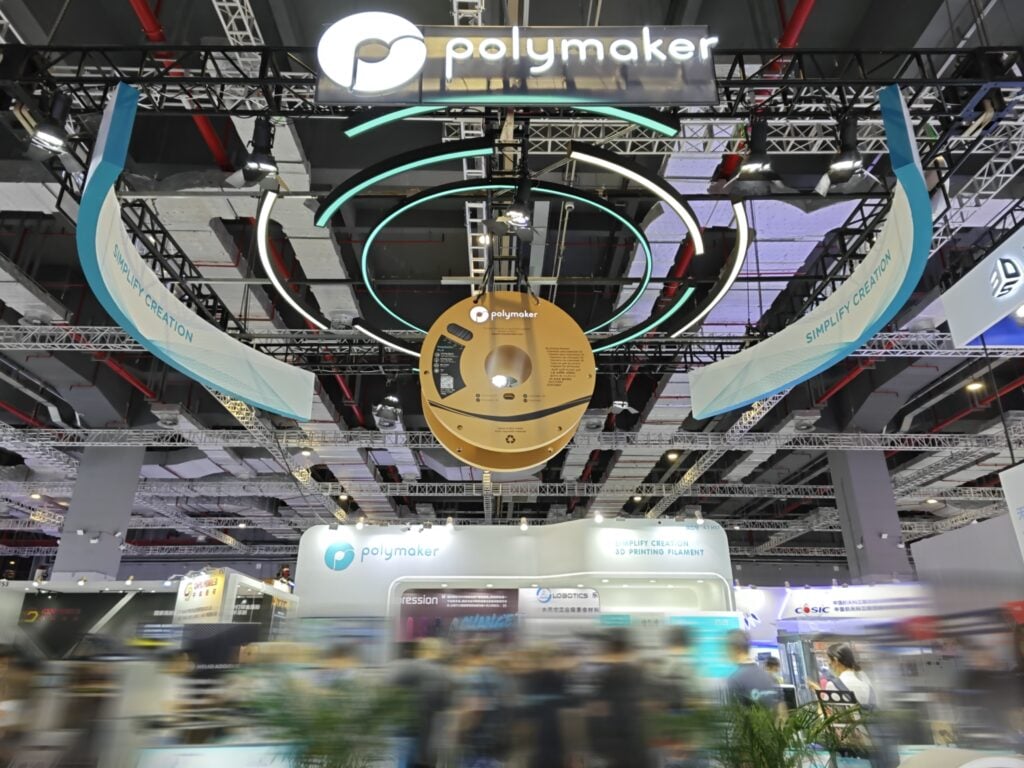
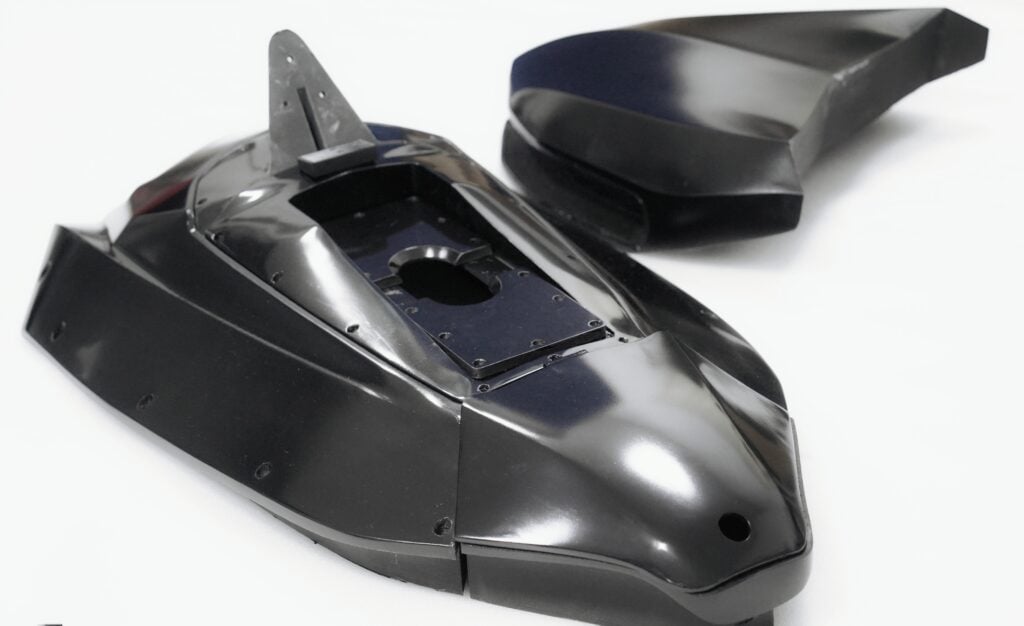
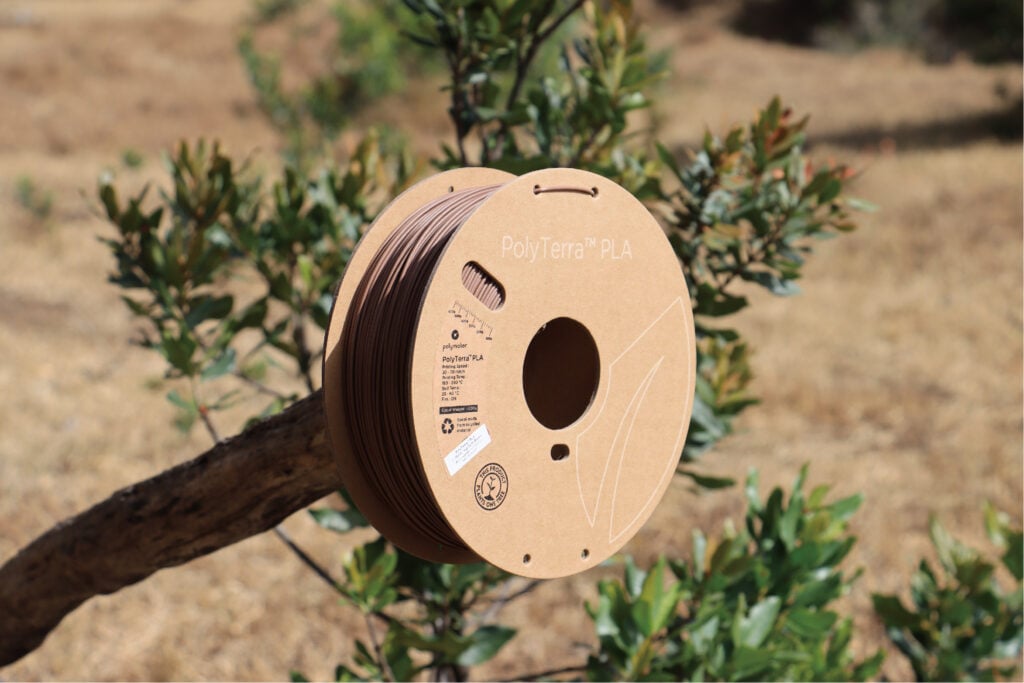
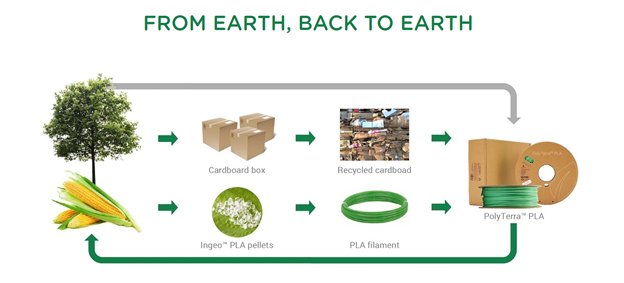
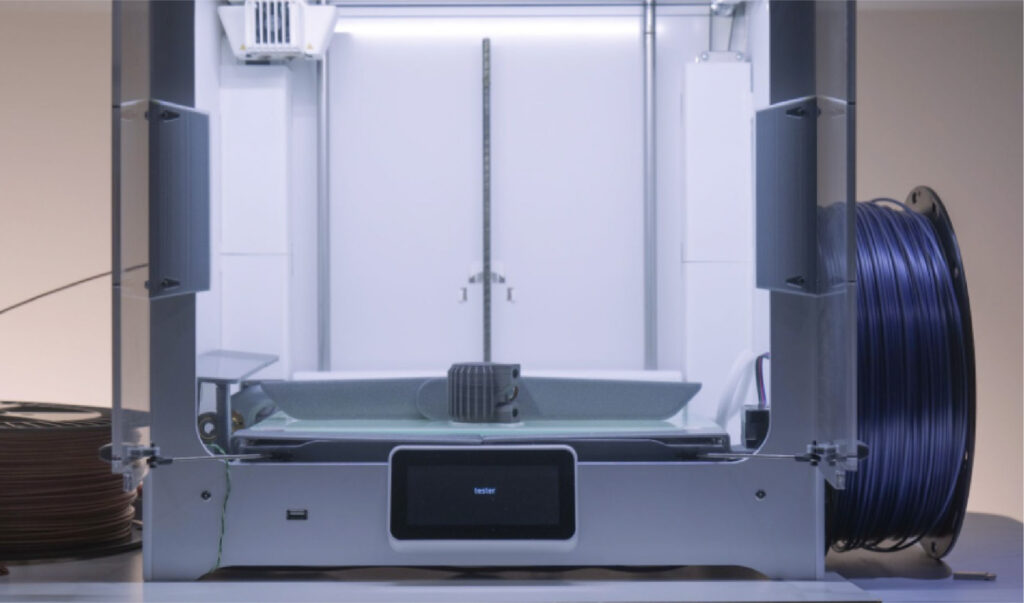
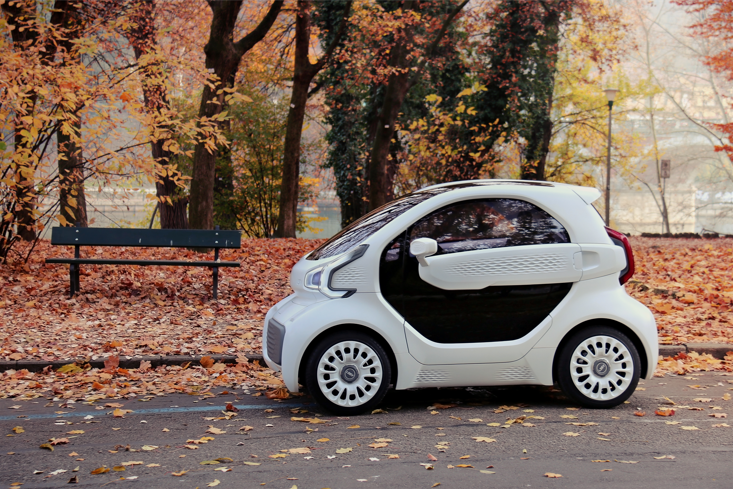
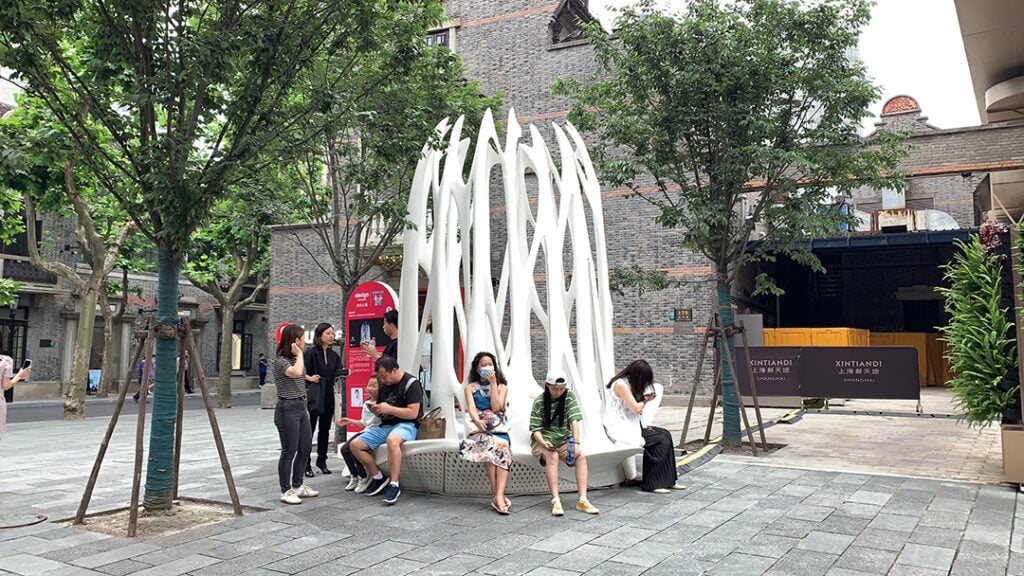
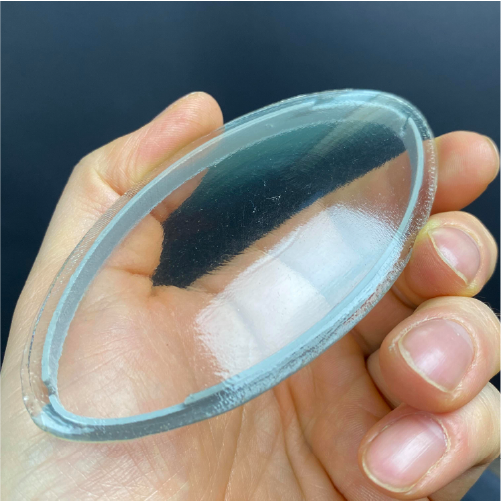
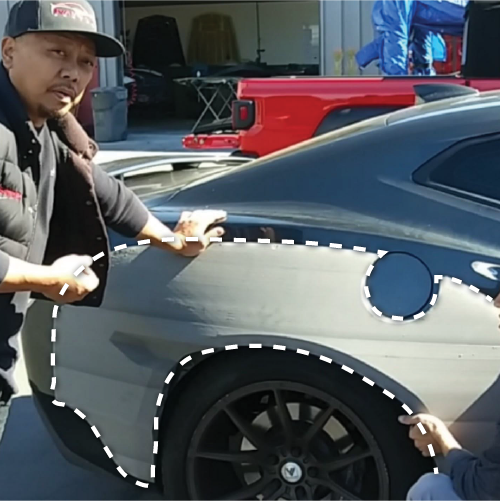
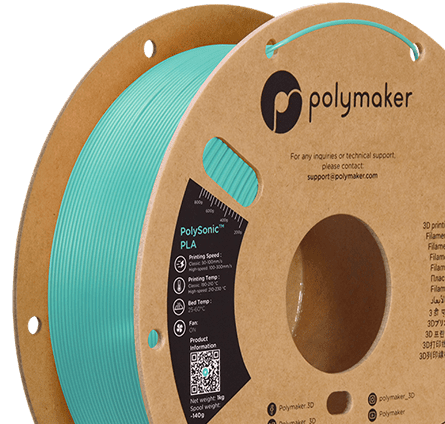
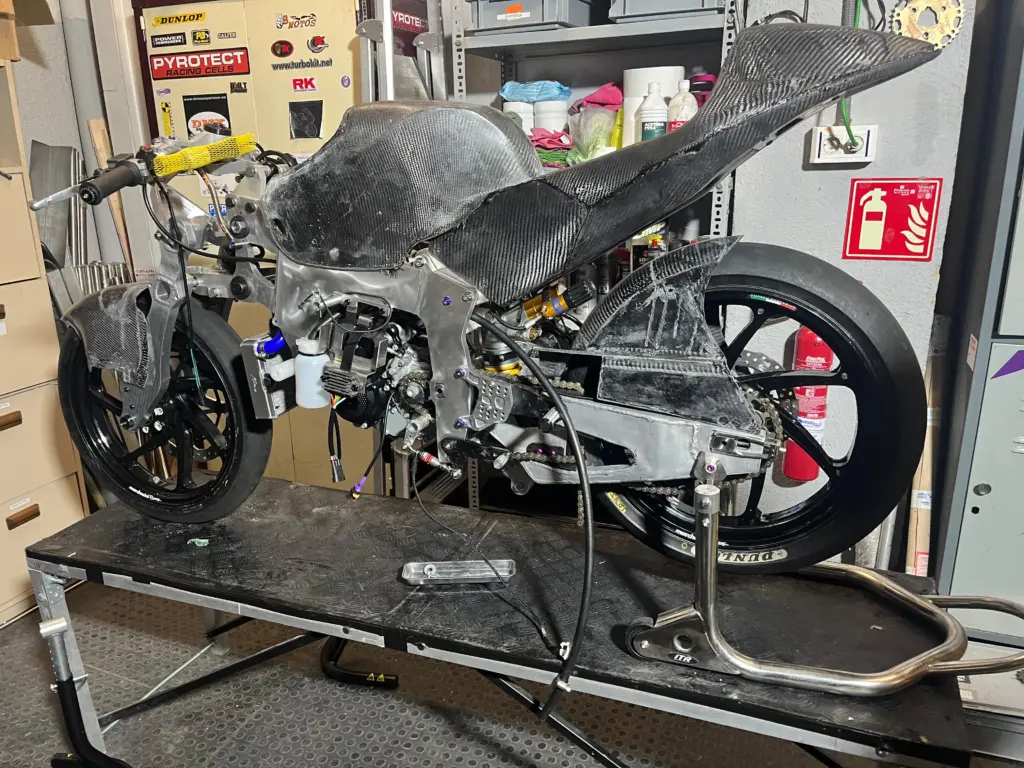
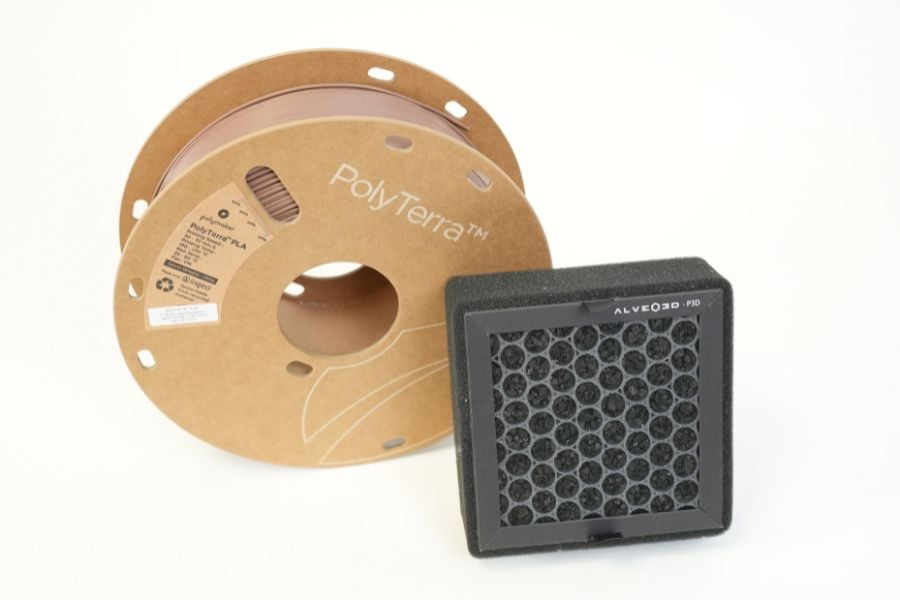
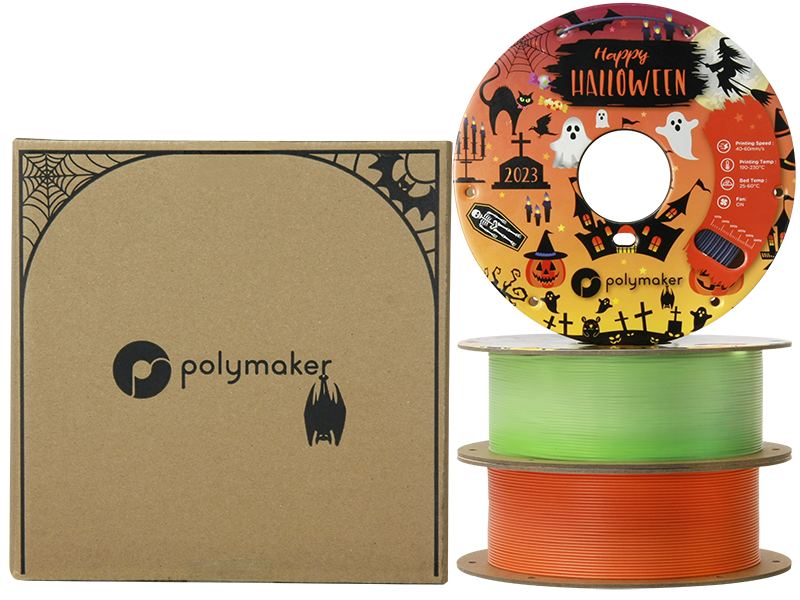
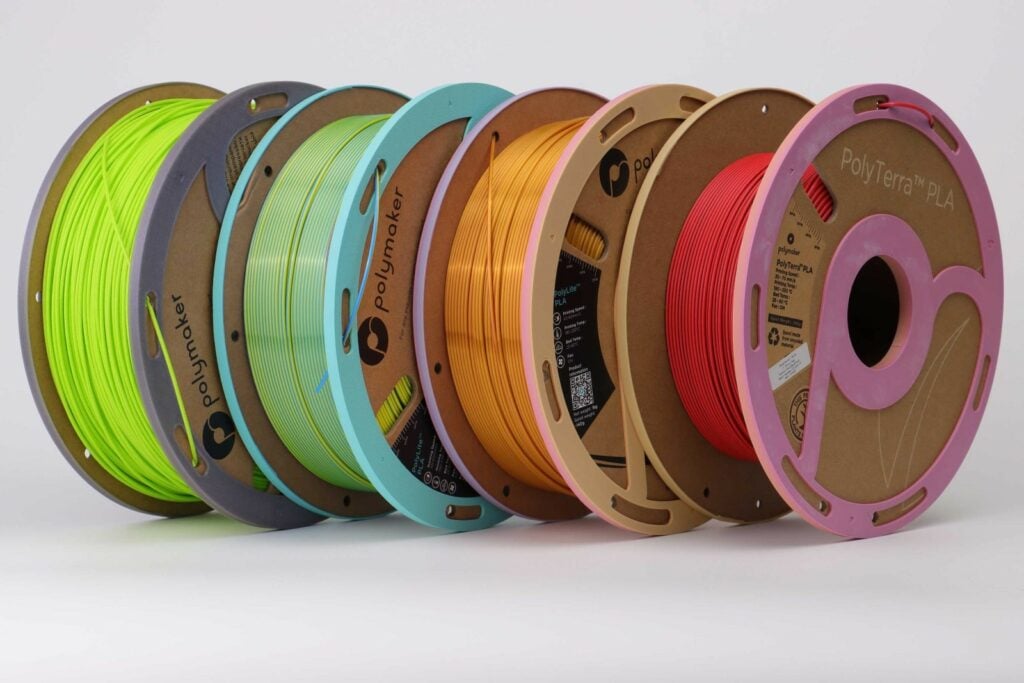
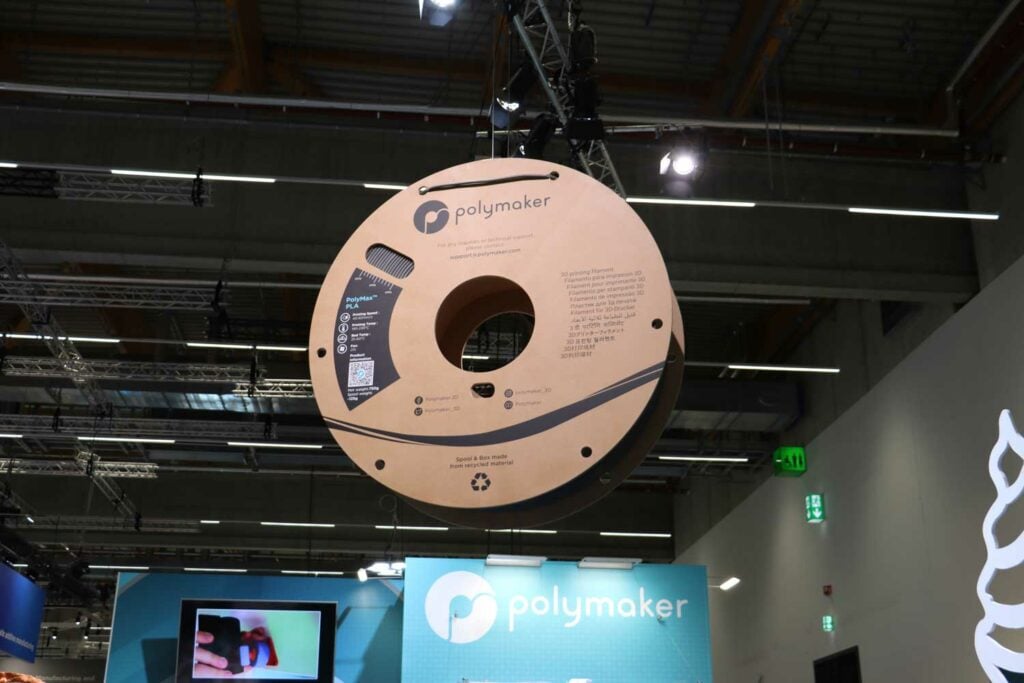
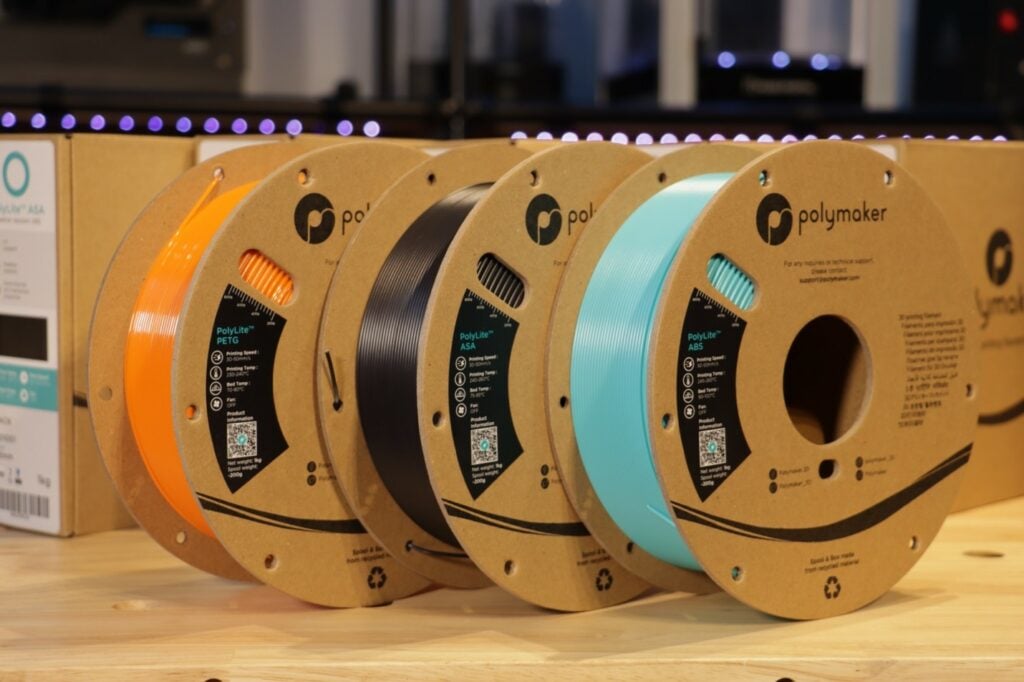
At Polymaker, we’re proud to see our filaments used in cutting-edge labs like Alveo3D and that they appreciate our use of cardboard spools, which are far more sustainable compared to the plastic ones still used by many brands.
But while strength, precision, and innovation are essential, there’s one invisible aspect of 3D printing that’s often overlooked: indoor air quality.
During FDM printing, materials are heated to high temperatures, releasing emissions.
While many emissions stay below toxic thresholds, prolonged exposure in poorly ventilated spaces can cause irritation, headaches, or worse.
To see if you need a filter for your printer and for the material you are using Alveo3D made a quick guide to select the best filter solution and an overview of same of our products and ventilation that is recommended.

Safer Materials: Polymaker’s Role
We offer a wide range of high-performance and eco-friendly filaments, and many of them are designed to be cleaner, more stable, and easier to print.
Here are some examples:
Filament
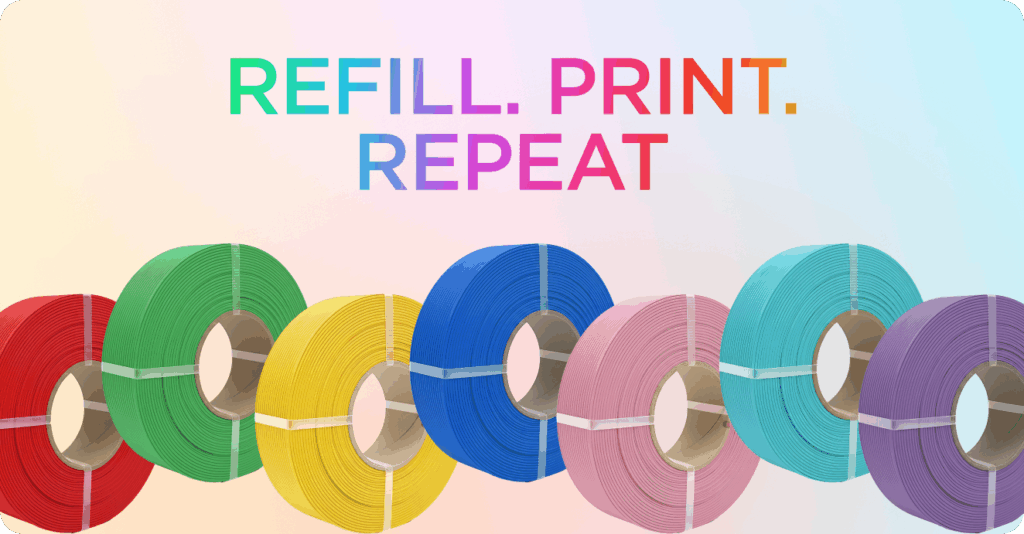
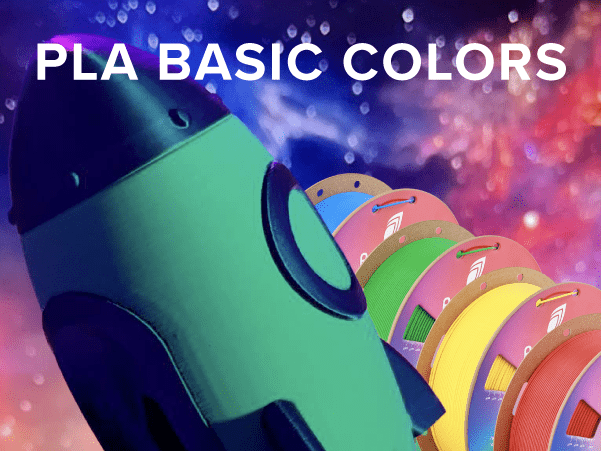
Panchroma PLA, Eco-friendly and colorful. Very low emissions, ideal for classrooms
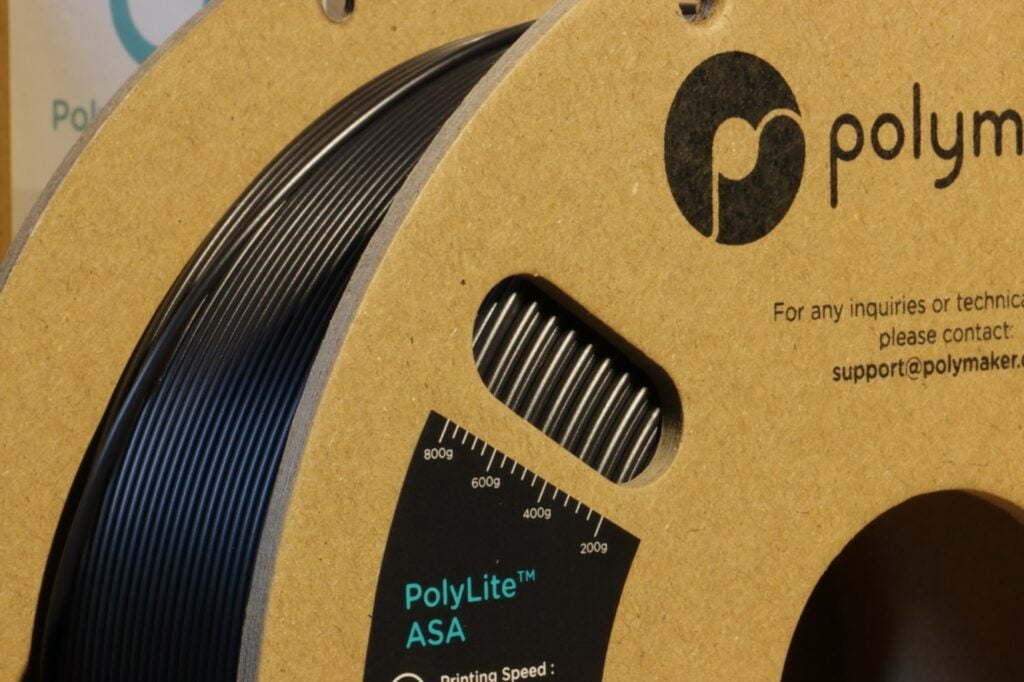
PolyLite ASA, UV-resistant and strong. Emits noticeable odors – ventilation and filtration recommended
PolyMax PC, a Tough engineering plastic that requires high temperatures, which means→ higher VOCs and particles. So recommended to be used in an enclosure with a filtration system
Pro tip: Lowering the nozzle temperature (within the recommended range) can reduce VOC output without impacting print quality.
"At Alveo3D, we regularly use Polymaker filaments, especially for their print reliability and consistent quality across spools. We also appreciate their environmental commitment."
— Marc Meillasson, Fab Manager, Alveo3D
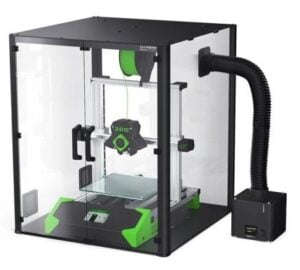
The Alveo3D: Smart Filtration
Alveo3D develops plug-and-play filtration kits using HEPA13 + activated carbon, specifically for desktop 3D printers.
With their filters, you can:
● Capture >99.995% of ultrafine particles
● Reduce odors from materials like ASA, ABS, or PC
● Improve safety in closed rooms (e.g. classrooms, labs)
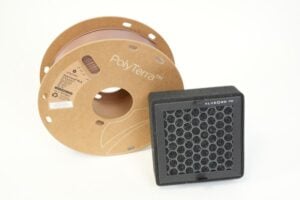
“During my exchange with the Polymaker team in Europe, it was clear that beyond showcasing the beautiful applications of their filaments, they also care deeply about the safety and health aspects of 3D printing. We agreed that while performance and aesthetics are essential, the topic of emissions and air quality must be part of the conversation with end users. It's a responsibility we share.” — Minh DOAN, Marketing Manager, Alveo3D
Example Setup using Polymaker filament
Filament: PolyLite ASA
Printer: Enclosed model (e.g., Bambu Lab, Prusa, Ultimaker S5)
Filter: Alveo3D kit with HEPA13 + Activated Carbon
Result: High-performance prints + much safer working air
Best Practices for Safer 3D Printing
1. Use low-emission filaments whenever possible
2. Print in well-ventilated areas or use filtration systems
3. Avoid long-term exposure to fumes without protection
4. Monitor your environment – even a basic air quality sensor can be helpful
5. Stay informed – always check your filament’s safety datasheet (SDS)
A shared commitment to safer printing
Polymaker and Alveo3D believe that innovation must go hand in hand with responsibility. Together, we aim to support makers, educators, and professionals in choosing materials and accessories that protect both performance and people.
Want to learn more?
Explore our Polymaker website for sustainable, reliable filaments
Explore our shop Alveo3D.com for filters adapted to your 3D printer
Let’s print smarter — and safer — together.













Please fill in the form below or if you have other questions are not included in the form, please contact us through [email protected]. We will get back to you soon.
Please fill in the form below or if you have other questions are not included in the form, please contact us through [email protected]. We will get back to you soon.