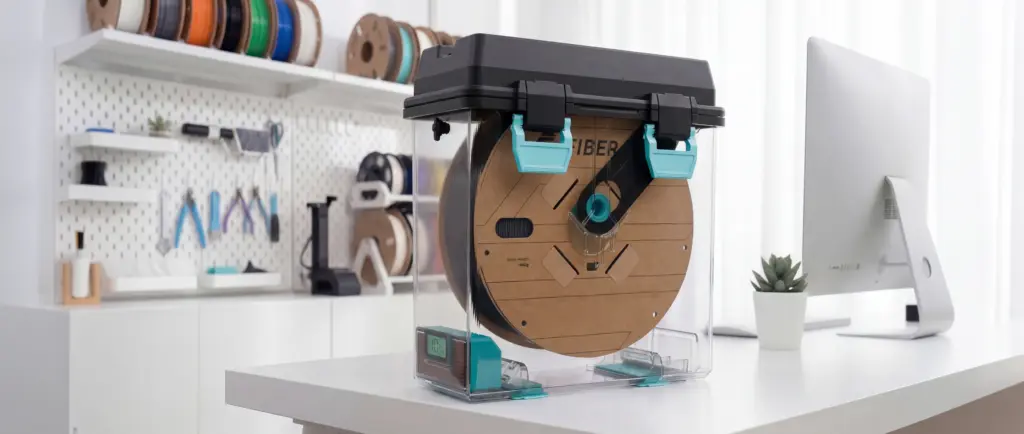
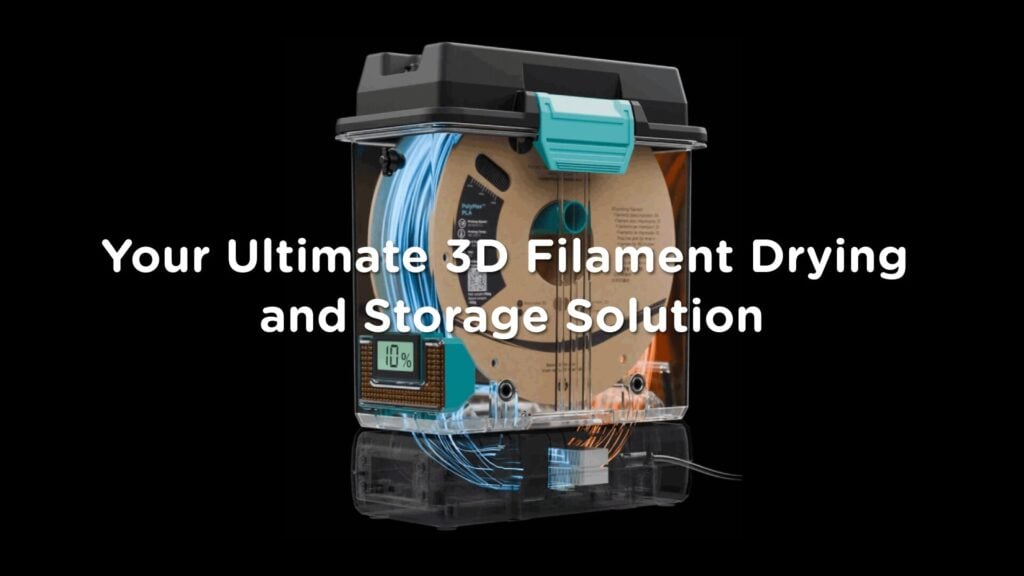
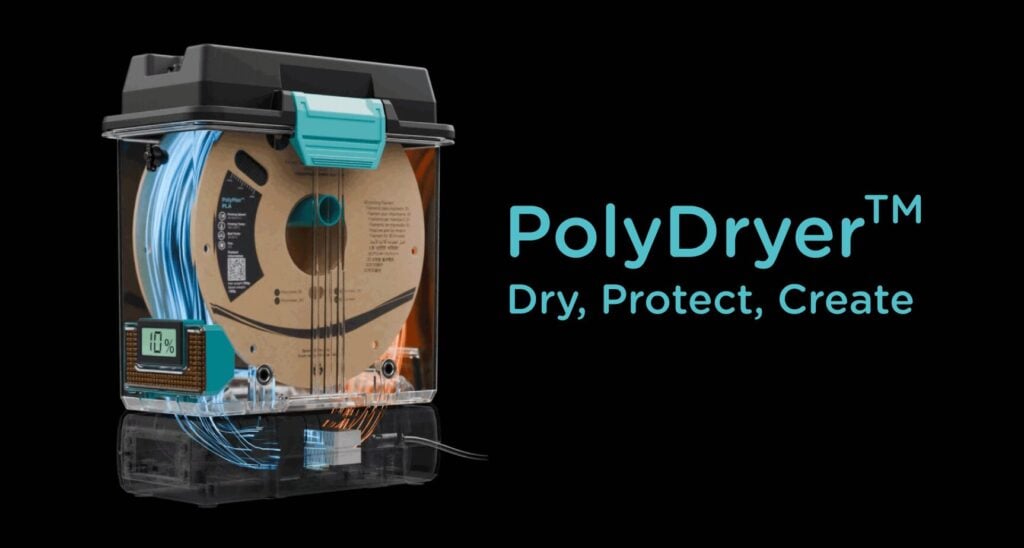
The PolyDryer system was developed to provide a reliable, modular solution for drying and storing your 3D printing filament. Moisture is the enemy of high-quality prints. When filament absorbs water, it becomes brittle, leading to print failures such as stringing, under-extrusion, and clogging. Certain kinds of filaments, like nylon, PC, and TPU, are especially hygroscopic and require drying at higher temperatures (75-80°C or higher), while others like PLA 3D printing filaments and PETG can be dried at lower temperatures.
Filament dryers work by applying gentle heat (40°C – 70°C+) to evaporate water trapped in the filament, and effective dryers provide controlled, heated, and consistent environments to prevent clogging and poor adhesion. Active filament dryers heat and circulate air, while passive systems may simply be storage boxes with desiccant. Using vacuum-sealed bags with desiccant or airtight containers with foam weather stripping can create a tight seal and prevent moisture from returning to dried filament, which is especially important in a house with high humidity or for filaments left unused for weeks or days. Storing filament in airtight containers with desiccant, such as a dedicated PolyBox dry storage container, is a good way to prevent moisture absorption, especially for people who live in humid environments or near the ocean. For optimal filament storage, containers with foam weather stripping to create a tight seal can significantly reduce humidity levels inside the container.
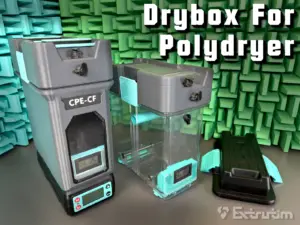
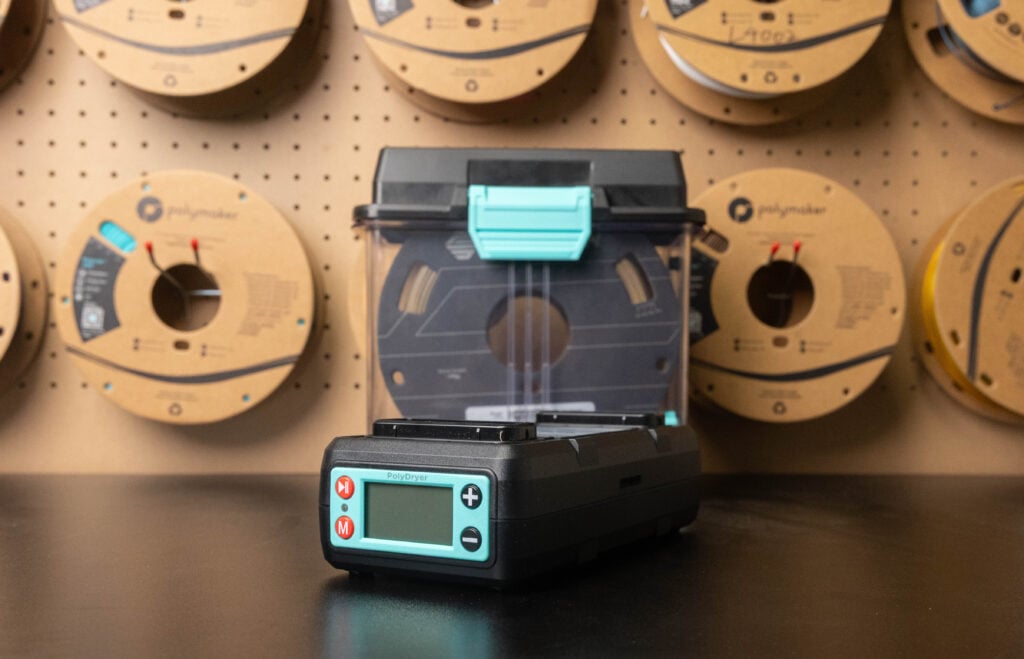
Our vision was to make drying effortless with modular PolyDryer boxes, simple controls, and a dedicated PolyDryer dock. The PolyDryer modular drying and storage system is compatible with a lot of different filament kinds, including moisture-sensitive materials like nylon and TPU, making it a good solution for people who print with a variety of materials. It is also suitable for drying TPU, which is a flexible and water-absorbing filament that benefits from proper drying. The PolyDryer’s specialized desiccant and heat control ensure your filament stays dry, and people have found that investing in a good dryer improves print results and prevents issues. A good filament dryer is worth the investment compared to cheaper alternatives, and users have posted about their experiences with different drying profiles for various filament kinds. Adjusting the profile can improve print quality and prevent problems. Some users wanted a dryer that could dry overnight (night) or for several hours or days, especially for filaments left unused for weeks or years. After drying, filament left unused for weeks or days should be stored in a sealed container to prevent moisture from returning.
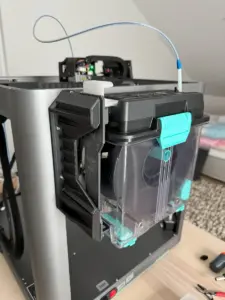
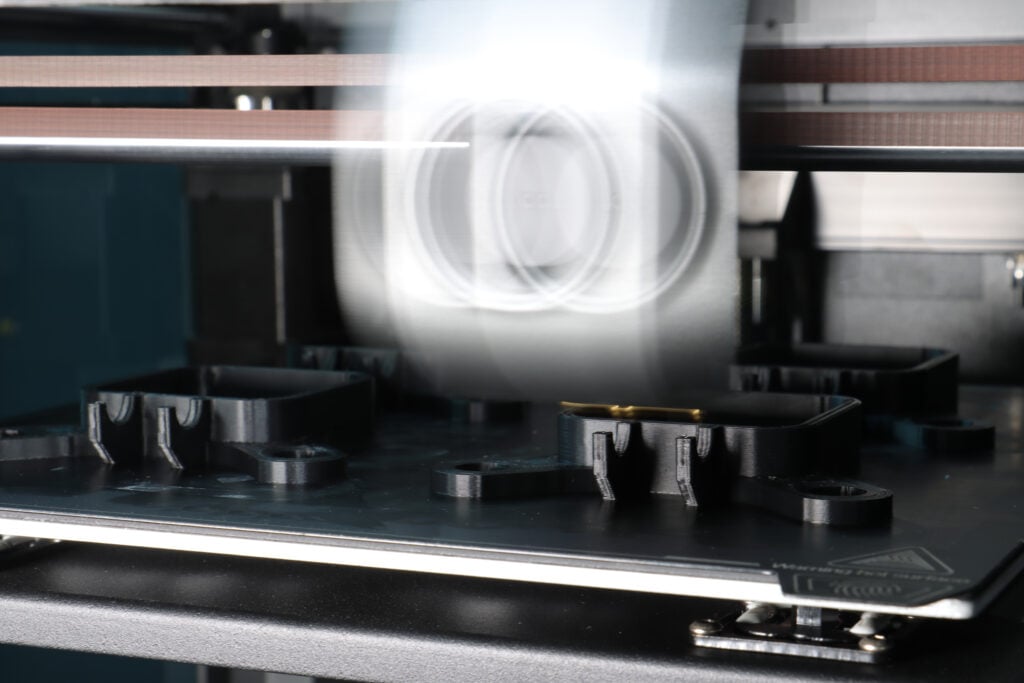
PolyDryer Magneto X Frame Mount
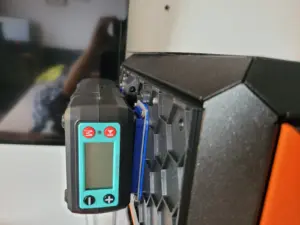
After launching, something exciting happened: the maker community took our dock and started creating their own awesome modifications, supercharging the way filament can be dried and managed. People have posted their own drying profiles and solutions online, sharing what they found works best for different materials. It is nice to have the option to buy only what you need and expand your setup as your needs grow. You can easily order additional docks or boxes as your filament collection grows. The PolyDryer is a good solution for people who have accumulated a lot of filament over the years and need a reliable way to keep it dry, whether they buy a few spools at a time or source materials through Polymaker’s US wholesale filament program. Some people dont need a dryer for every kind of filament, but for hygroscopic materials like nylon and TPU, it makes a big difference, especially when you plan post-processing steps such as moisture conditioning for nylon parts. Users who live in humid climates or near the ocean have found that using a dryer or airtight storage is essential to protect their filament. The expected temperature around the spools may be slightly higher than the display, which is normal and has been found in testing. Dryers improve print quality by enhancing surface finish and preventing brittle parts, and a good dryer can last for years, making it a worthwhile order for anyone with a lot of filament stock.
The PolyDryer is a game-changer for anyone serious about 3D printing. Traditional solutions like a food dehydrator or oven can be inconsistent, costly, or even risky for your filaments. The PolyDryer was designed to solve these problems by providing a dedicated, efficient way to dry filaments and keep them in optimal condition for printing.
Unlike makeshift drying methods, the PolyDryer uses a specialized desiccant and precise heat control to create a stable, low-humidity environment. This prevents common issues such as poor layer bonding and surface defects, ensuring your prints come out strong and smooth every time. Whether you’re a hobbyist or a professional, investing in a PolyDryer all-in-one drying system is a smart move to improve your 3D printing results, reduce waste, and avoid the frustration of moisture-related printing problems. Compared to the ongoing cost and hassle of using a food dehydrator or oven, the PolyDryer offers a more reliable and cost-effective solution for keeping your filaments dry and ready to use.
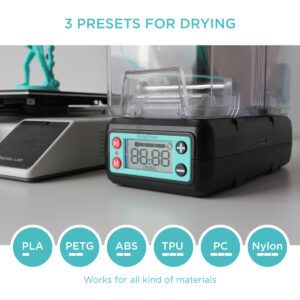
The PolyDryer stands out with its robust set of features designed for both convenience and performance. At its core is a vacuum-sealed chamber that locks out humidity, paired with a built-in hygrometer so you can monitor moisture levels at a glance. The adjustable heat control system ensures your filaments are dried at the optimal temperature, protecting sensitive materials from overheating while effectively removing moisture.
With the capacity to hold multiple spools, the PolyDryer is perfect for users who keep a large stock of filament on hand. Its compact footprint means it fits easily on any shelf or workbench, and its energy-efficient design keeps running costs low, making it a cheaper alternative to other drying solutions. The PolyDryer delivers professional-grade drying without the premium price tag.
Compatibility is another key advantage. The PolyDryer works with a wide range of filaments, including PLA, ABS, nylon, and even specialty materials like silica-filled or chemical-resistant filaments from Polymaker’s 3D printing filament range. Whether you’re drying standard spools or experimenting with new materials, the PolyDryer adapts to your needs, making it a versatile addition to any 3D printing setup.
We watched as makers began to remix the PolyDryer dock into modifications that go far beyond our original product plan. Many of these mods tap into advanced 3D printer setups, including integrating the PolyDryer dock directly with Bambu Lab’s AMS (Automatic Material System). People have posted their own drying profiles and solutions online, sharing what they have found works best for different kinds of filament like nylon, PETG, ABS, and more, highlighting how drying needs and profiles can vary. With so many creative solutions coming from around the world, we realized the PolyDryer dock deserved to be available on its own.
Now, you can purchase just the PolyDryer dock, giving you the freedom to build, mod, and experiment, no bundled box required. Users wanted the flexibility to adapt the dock for their specific needs and filament profiles. This saves you money and lets you go straight to the mods you want.
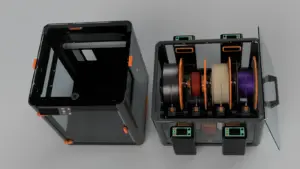
PolyDryer Magneto X Frame Mount
If you’ve got an AMS or other multi-spool filament system, the PolyDryer dock is a game-changer. Check out these popular modifications:
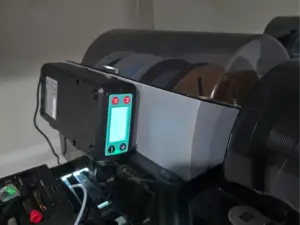
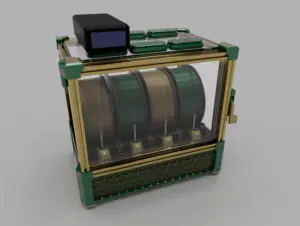
You aren’t limited to PolyDryer boxes. Makers have found that using foam weather stripping to create a tight seal in custom or non-PolyDryer dry boxes can significantly reduce humidity and improve filament storage. Many users have posted their own storage solutions online, emphasizing the importance of a good seal for optimal filament preservation. Here are some examples of adapters and custom solutions:
The innovations don’t stop there. Some users have found advanced uses for PolyDryer docks, such as chamber heating applications in enclosed printers. They have posted their results and heating profiles online, sharing practical solutions and settings for optimal performance. Examples include:
Users who wanted more flexibility can now order just the PolyDryer dock, which is a nice option for people with a lot of filament spools sourced from Polymaker’s extensive filament catalog. This allows you to focus on the modifications you actually want, link together multiple docks for AMS mods, or integrate the dock into custom builds. Buy just what you need and grow your filament drying setup your way.
Many people have posted their creative builds and modifications online, so for more inspiration and the latest PolyDryer dock hacks, follow our channels and share your own projects with us. We can’t wait to see what you’ll create next!




















Please fill in the form below or if you have other questions are not included in the form, please contact us through [email protected]. We will get back to you soon.
Please fill in the form below or if you have other questions are not included in the form, please contact us through [email protected]. We will get back to you soon.