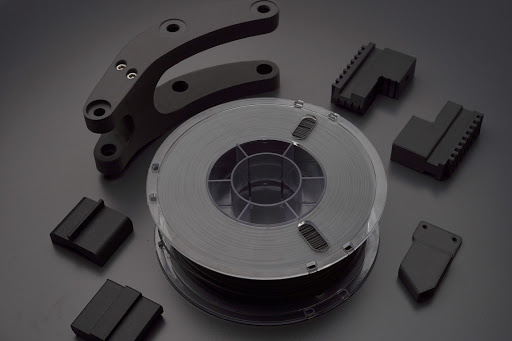
When it comes to 3D printing materials that offer a balance of high heat tolerance, dimensional stability, and ease of use, HT-PLA and HT-PLA-GF stand out as top options. But what exactly is HT-PLA, and how does it compare to its reinforced counterpart, HT-PLA-GF?
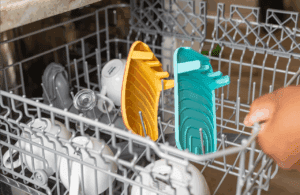
Whether you're a hobbyist printing tool organizers in a hot garage, or a professional delivering prototypes that need to withstand elevated temperatures, this guide will help you understand which material best fits your needs.
What Is HT-PLA?
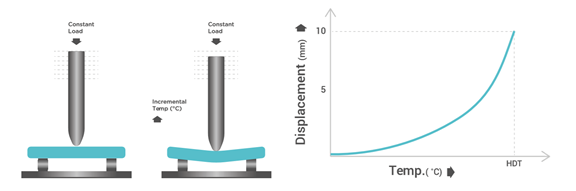
HT-PLA (High-Temperature Polylactic Acid) is an enhanced PLA filament designed to maintain its shape in high-temperature environments. While standard PLA softens around 60°C, annealed HT-PLA can withstand temperatures up to 110°C–150°C, depending on the formulation and process. Our HT-PLA vicat softening temperature is at 150°C which means it can exist in the heat with no mechanical load or weight on the part.
Key Benefits of HT-PLA:
- Heat Stable up to 150°C under it's own weight without annealing.
- Prints like standard PLA, no heated chamber or exotic setup required
- Excellent dimensional accuracy and surface quality
- Low warping and minimal odor
- Works on almost all consumer 3D printers (Prusa, Bambu Lab, Creality, etc.)
What Is HT-PLA-GF?
HT-PLA-GF (Glass-Filled High-Temperature PLA) builds on the base HT-PLA by reinforcing it with glass fibers. This upgrade offers even greater dimensional stability and rigidity, making it a better option for prints that need to hold their shape precisely over time or under slight mechanical loads after annealing.
What Is Annealing?
Annealing is the process of heating a printed part to a stable temperature (HT-PLA-GF @ 80-100°C) for a set time (20-30 minutes). This process increases the part’s thermal resistance and improves dimensional stability.
Annealing unlocks performance far beyond what standard PLA can deliver—making HT-PLA-GF ideal for prints exposed to heat like car interiors, sunlight, or shipping conditions.
Why Choose HT-PLA-GF?
- Even more dimensionally stable than HT-PLA
- Withstands thermal cycling and mechanical pressure better
- Ideal for prints that must retain precision in outdoor or heated environments
- Best for applications like tool holders, enclosures, and garage prints
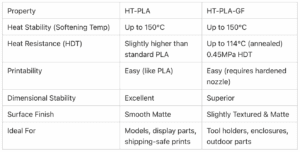
HT-PLA vs. HT-PLA-GF Which Should You Choose?
Best Use Cases
Use HT-PLA For:
- Models exposed to heat (e.g., dashboards, sun-exposed prints)
- Shipping-safe parts that resist warping in transit
- Display pieces requiring a smooth, matte finish
- Functional-looking prototypes where ease of printing is essential
Use HT-PLA-GF For:
- Garage projects like tool organizers and utility hooks
- Outdoor enclosures or casings subject to temperature variation
- Precision parts needing tight tolerances after long-term exposure to heat
- Projects where stiffness and dimensional accuracy matter most
Compatible 3D Printers
Both filaments work with most 1.75mm FDM printers, including:
- Bambu Lab X1C, A1, P1S
- Prusa MK3S+, MINI
- Creality Ender 3 series
- Any open-source machine with an all-metal hotend
Note: HT-PLA-GF is abrasive due to glass fiber content. Use a hardened steel or ruby-tipped nozzle for extended printing.
Eco-Friendly, Maker-Focused
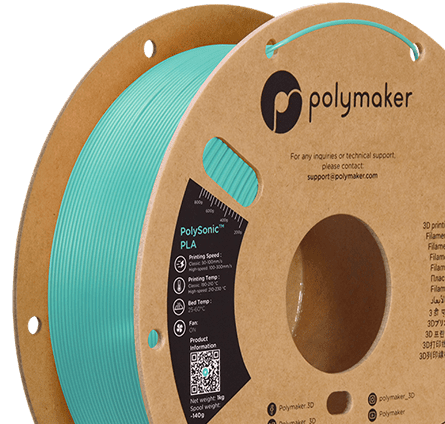
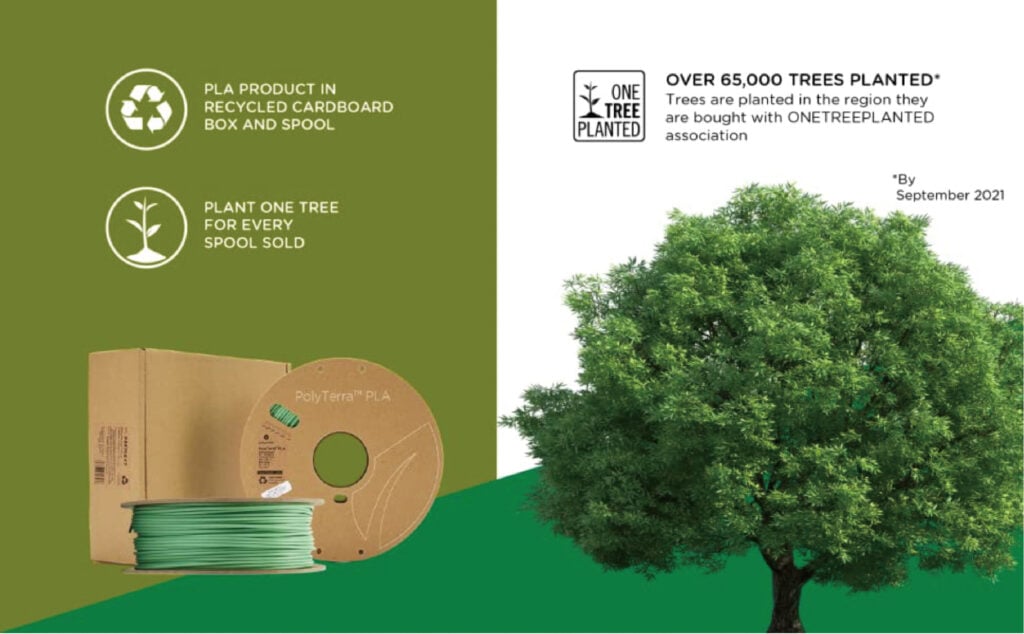
Both HT-PLA and HT-PLA-GF are shipped on 100% recyclable cardboard spools, helping reduce plastic waste and shipping emissions. With local sourcing and sustainable packaging, they’re ideal for environmentally conscious makers.
Final Thoughts: Which Should You Choose?
If you want to upgrade from standard PLA for higher heat tolerance while keeping things easy and accessible, HT-PLA is your go-to material.
If your prints demand maximum dimensional stability and must endure heat and strength under load, step up to HT-PLA-GF.
Either way, you’ll benefit from Polymaker’s commitment to quality, consistency, and compatibility delivering reliable results across a wide range of printers and projects.
UV Resistance
Both of these materials are PLA based so their UV tolerances are still similar to standard PLA in this regard. If you are using them outdoors for a prolonged period of time (months/years), they may become brittle.