


Three personalities, one week in Milan
-
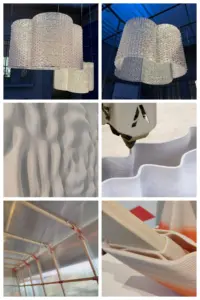
Royals collection by IAMMI Studio - delicate, jewelry-like lampshades printed in PolyCore™ PETG-1000. The translucent finish makes light the narrator; if your project lives or dies by clarity and controlled diffusion, 1000 is the grade that delivers.
-
Lithic Flow Divider by Caracol AM, a parametric architectural wall with an authentic marble finish, straight out of the extruder. The secret is PolyCore™ PETG-1113 Marble, which gives you genuine stone aesthetics without compromising the structural performance and printability of glass-filled PETG. No post-finish tricks — the marble is in the material itself.
-
Ginger Pavilion nodes by Sina Lüder, reusable, material-efficient connectors printed in PolyCore™ PETG-1312. These nodes form a fully functional structure, proving that medium-format LFAM can deliver the detail, strength, and dimensional stability that real construction demands.
Architectural-scale statements, Suzhou and Shanghai
-
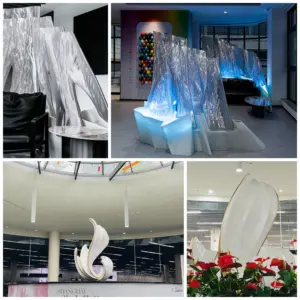
Sérac 凌川 indoor partition by Dr. Dasong Wang - now standing permanently in our Suzhou R&D center- is a masterclass in material pairing. The load-bearing base uses PolyCore™ PETG-1113 (30% glass fiber) for rigid folded strength, while the upper translucent volume exploits the high transmittance of PolyCore™ PETG-1000 to turn glacier-like topology into light-filled space. Two materials, one seamless experience.
-
Origin of Huangpu magnolia sculpture by Flash - blooming inside Shanghai’s busiest metro station, this public artwork was fabricated with PolyCore™ PETG-1312. For medium-format projects where complexity, scale, and deadline collide, PETG-1312 is formulated to remove the usual trade-offs: clean retraction, dramatically reduced warping, and a surface finish that cuts post-processing down to size.
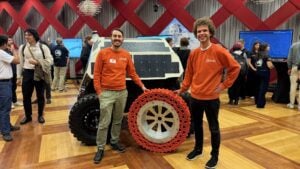
And then there’s the rover tire bound for Antarctica
Every great racing machine starts long before it hits the track, it begins as an idea, shaped by engineering precision, creativity, and relentless iteration. At the UPM MotoStudent Petrol team, that journey is accelerated through the power of 3D printing and high-performance materials from Polymaker. Carbon fiber filament is a plastic filament mixed with small chopped carbon fibers, which enhance stiffness, improve dimensional accuracy, and reduce warping during printing.
Who Are UPM MotoStudent Petrol?
Representing the Universidad Politécnica de Madrid, the UPM MotoStudent Petrol team is a multidisciplinary group of students competing in the prestigious MotoStudent competition. Every two years, the team designs and builds a brand-new motorcycle prototype from scratch, then continuously refines it for competitive racing, including participation in the Portuguese National Championship.
With dedicated departments spanning:
• Mechanics
• Aerodynamics
• Powertrain
• Electronics
• Marketing
…the team operates like a professional racing organization, where innovation and efficiency are critical.
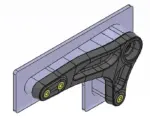
For a student racing team working under tight timelines and budgets, agility is everything. That’s where 3D printing becomes a game-changer.
By integrating additive manufacturing into their workflow, the team can:
• Rapidly iterate on designs
• Reduce manufacturing costs
• Produce complex geometries that would otherwise be impossible
Key Applications
Their use of 3D printing spans across multiple functions:
• Carbon fiber mold production
• Structural supports and brackets
• Functional mechanical components
• Team merchandise and prototypes
This flexibility allows them to move seamlessly from concept to physical part, often within hours. Small batch production is especially valuable for producing strong, durable, and custom parts quickly and cost-effectively, ideal for prototyping, low-volume manufacturing, and specialized components. When assembling molds from multiple printed sections, selecting the appropriate adhesive is essential—especially for PETG—to ensure a secure and durable assembly. The use of glass fiber in reinforced thermoplastics and filaments further enhances stiffness, thermal stability, weather resistance, and overall durability for demanding applications. Printing at higher resolution can achieve a smoother surface on the mold, facilitating easier release and better surface quality. It’s also important to consider the intended application of the printed part when selecting filament, focusing on properties like stiffness, heat resistance, and durability.
Proven Applications
The team has already leveraged 3D printing for a variety of critical components, including:
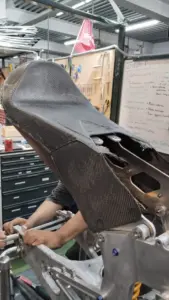
• Tail section molds
• Gas tank cover molds
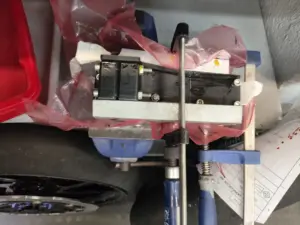
• Spark plug coil holders
• Shifter linkage molds for carbon fiber compression
These applications demonstrate how additive manufacturing is not just a prototyping tool but a core production method in high-performance motorsport environments.
Choosing the Right Material: Why Polymaker?
Material selection is crucial when performance, durability, and precision are non-negotiable. The team strategically uses a range of Polymaker materials to match each application.
Polymaker™ PETG
Their go-to material for mold-making:
• Excellent flexibility for easy release
• Fast and reliable printing
• Versatile across multiple use cases
PETG carbon fiber filament offers a balance of strength and rigidity, making it suitable for brackets, enclosures, and daily use parts, while high-performance CF filaments are designed for industrial and high-heat applications. PETG is known for its excellent layer adhesion, which contributes to its strength and durability in 3D printed parts. PETG also has good impact resistance and is less brittle than other materials like PLA, making it suitable for functional parts that require some flexibility. When used for molds, PETG offers reliable release properties, which can be enhanced by applying a release agent for easier demolding.
Fiberon™ PA6-CF20 & GF25
Designed for high-performance mechanical parts:
• Outstanding strength-to-weight ratio
• Reinforced with carbon and glass fibers
• Ideal for load-bearing components like brackets and supports
Nylon carbon fiber filament is known for its high strength and durability, making it ideal for tools and mechanical parts.
Panchroma™ Matte PLA
Perfect for prototyping and visual models:
• High-quality surface finish
• Ideal for non-mechanical parts
• Used for scale models and aerodynamic testing
PLA filament is very easy to print and is suitable for visual parts and light functional prints.
By combining these materials, the team achieves the perfect balance between performance, cost-efficiency, and manufacturability.
There are different types of carbon fiber filaments, including PLA, PETG, Nylon, and high-performance CF filaments. Each type varies in ease of printing, strength, rigidity, and heat resistance. PLA carbon fiber is easy to print and great for light functional parts, PETG carbon fiber balances strength and rigidity for everyday use, Nylon carbon fiber offers high strength and durability for tools and mechanical parts, and high-performance CF filaments are designed for industrial and high-heat applications.
Looking Ahead: Pushing Boundaries Even Further
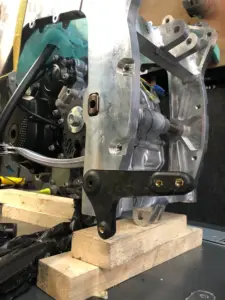
The next phase of the project showcases just how far additive manufacturing can go.
Wind Tunnel Testing with a Full-Scale Replica
The team is developing a 2:3 scale 3D printed replica of their motorcycle to validate CFD simulations in a wind tunnel, bringing digital design and real-world testing closer than ever.
Fully Custom Fairing Development
One of their most ambitious projects involves designing and producing a completely custom fairing:
• Digital design translated into physical molds
• Carbon fiber fabrication enabled by 3D printed tooling
• Full control over aerodynamics and performance
3D printing enables the creation of complex internal structures, such as honeycomb or lattice patterns, which maintain structural integrity while significantly reducing mass. Engineers can also produce 'impossible' geometries, including obstructed overhangs, hollow cavities, and integrated fluid channels, which are difficult or too expensive to achieve via traditional manufacturing.
Driving the Future of Motorsport Innovation
The UPM MotoStudent Petrol team exemplifies how the next generation of engineers is redefining manufacturing. By combining cutting-edge design with Polymaker’s advanced materials, they are not only building a race bike they are building the future of motorsport engineering.
From rapid prototyping to functional end-use parts, 3D printing is no longer optional, it’s essential.
And with the right materials, the possibilities are limitless.
The Journey from Concept to Track: Team Vision and Project Goals
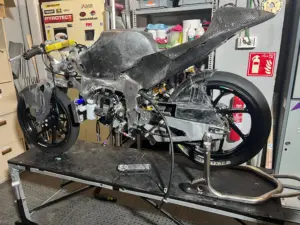
Transforming an initial concept into a race-ready motorcycle is a journey marked by careful planning, iterative design, and rigorous testing. Teams in the UPM MotoStudent competition set ambitious goals: to create motorcycles that excel in performance, safety, and innovation. Leveraging 3D printing with carbon fiber filament, teams can rapidly prototype and refine complex shapes that would be difficult or impossible to manufacture using traditional methods. This approach allows for the integration of intricate fiber structures and optimized geometries, enabling engineers to experiment with new ideas and quickly adapt to design challenges. By embracing additive manufacturing, teams not only accelerate their development cycles but also maximize material efficiency, ensuring that every carbon fiber component contributes to the overall vision of a high-performance, competitive motorcycle.
Benefits of Carbon Fiber in Motorsport Innovation
Carbon fiber stands at the forefront of motorsport innovation, offering a unique blend of high stiffness, strength, and fatigue resistance. These properties make it the material of choice for components subjected to intense stress and vibration, such as frames, swingarms, and aerodynamic fairings. The lightweight nature of carbon fiber enhances the power-to-weight ratio, resulting in improved acceleration, handling, and overall performance on the track. Additionally, the versatility of fiber materials allows engineers to design complex geometries—like monocoque frames and sculpted fairings—that optimize aerodynamics and reduce drag. By harnessing the full potential of carbon fiber, teams can push the limits of motorcycle design, achieving breakthroughs in speed, agility, and durability that set new standards in motorsport engineering.
3D Printing with Carbon Fiber Filament: Unlocking New Possibilities
The advent of 3D printing with carbon fiber filament has revolutionized the production of high-performance motorcycle parts. This additive manufacturing process involves extruding a blend of carbon fibers and thermoplastic polymer through a heated nozzle, building parts layer by layer with remarkable precision. The resulting carbon fiber parts exhibit outstanding mechanical properties, including superior strength, stiffness, and dimensional accuracy. To achieve optimal results, careful attention must be paid to print settings such as layer height and infill density, which help minimize visible layer lines and ensure a smooth surface finish. This technology is particularly advantageous for small batch and low volume production, enabling teams to quickly produce custom components tailored to specific design requirements. By utilizing carbon fiber filament, engineers can create intricate, lightweight structures that meet the demanding standards of motorsport applications.
If you’ve ever wished standard PLA was just stronger, faster, and more capable without crossing into the complexity of engineering plastics, Polymaker™ PLA Pro is exactly what you’ve been waiting for. This toughened PLA filament is engineered to deliver high impact resistance, blazing print speeds, and the same easy PLA experience you already know — no enclosure, no hardened nozzle, no headaches.
Polymaker PLA Pro is manufactured in the USA, ensuring high production quality and adherence to strict local standards.
PLA Pro filaments are compatible with all FDM 3D printers available on the market, ensuring versatility and convenience for any printer setup.
What Is Polymaker PLA Pro?
Polymaker PLA Pro is a next-generation, high-impact tough PLA filament from Polymaker, designed to bridge the gap between standard PLA and engineering-grade materials. It combines exceptional toughness with fast print speeds to maximize productivity, making it ideal for prototypes, functional end-use parts, and high-throughput print environments. PLA Pro filaments exhibit low warping and shrinking tendencies, ensuring prints retain their intended shape.
PLA Pro is also the new and improved formula replacing PolySonic PLA Pro, which will be officially discontinued by the end of 2026.
Key Features & Tensile Strength Selling Points
- High impact resistance — significantly tougher and less brittle than standard PLA, especially under impact or bending loads
- High-speed printing up to 300 mm/s — validated for fast print speeds without sacrificing layer adhesion, surface quality, or dimensional accuracy
- PLA-easy printability — low warp, low odor, no enclosure required, compatible with standard brass nozzles
- Strong interlayer adhesion — excellent interlayer bonding reduces part failure under stress, bending, and vibration
- Consistent surface finish — suitable for both functional and aesthetic applications
- Good dimensional stability — reliable and repeatable, even at high speeds
- Made in the U.S. (U.S. products)
Why Choose PLA Pro Over Standard PLA or PLA+?
PLA Pro is positioned as a significant upgrade over conventional PLA and PLA+ alternatives without introducing the learning curve of materials like ABS, ASA, or PETG.
| Feature | Standard PLA | PLA+ / Tough PLA | PLA Pro | ABS / ASA |
|---|---|---|---|---|
| Impact Resistance | Low | Moderate | High | High |
| Print Speed | Moderate | Moderate | Up to 300 mm/s | Moderate |
| Enclosure Required | No | No | No | Yes |
| Ease of Use | Easy | Easy | Easy | Difficult |
| Heat Resistance | Low | Low | Low (PLA-class) | High |
| Nozzle Required | Brass | Brass | Brass | Brass/Hardened |
Where most “tough PLA” materials compromise on print speed, PLA Pro is faster than most PLA+ materials without sacrificing print quality. It’s also a compelling functional alternative to PETG when ease of printing and throughput are higher priorities than heat resistance and chemical resistance.
Technical Printing Specifications
Getting great results with Polymaker PLA Pro is straightforward. These are the recommended print settings:
- Nozzle Temperature: 210–230°C
- Build Plate Temperature: 35–65°C (varies depending on the printer and plate types)
- Build Surface: PC and Texture PEI (glue when needed)
- Cooling Fan: ON
- Print Speed: Up to 300 mm/s
- Retraction Distance: 1–3 mm
- Retraction Speed: 20–40 mm/s
- Drying: 55°C for 6 hours (if needed)
- Enclosure: Not required
- Hardened Nozzle: Not required
- Recommended Support Materials: PolySupport™ and PolyDissolve™ S1
Depending on your printer, you may need to change X-Y hole and contour compensation settings to further optimize print quality and dimensional accuracy.
Incorrect temperature or print settings can cause issues such as delamination or poor adhesion, causing failed prints or surface defects.
All Polymaker filaments have a dimensional accuracy of +/- 0.02 mm, ensuring precise prints.
Temperature Resistance
Polymaker PLA Pro filament stands out for its enhanced temperature resistance, making it a reliable choice for demanding 3D printing applications. With a heat deflection temperature of 56 °C and a Vicat softening temperature of 62 °C, this filament can handle higher temperatures than standard PLA without warping or losing its mechanical integrity. This added temperature resistance is especially beneficial for prints that may be exposed to moderate heat or require stable performance in variable environments. To get the best results, always follow the recommended print settings for PLA Pro filament—use a nozzle temperature between 180–210 °C and a bed temperature of 35–65 °C. By dialing in these settings, you’ll ensure your prints maintain their shape and strength, even when the temperature rises.
Ideal Applications
Polymaker PLA Pro is built for a wide range of real-world use cases:
- High-speed prototyping — rapid iteration without sacrificing part quality
- Functional end-use parts — brackets, housings, clips, fixtures, and mounts
- Print farms & batch production — consistent extrusion and repeatability at scale
- Education & makerspaces — reliable, easy-to-use material for workshops and classrooms
- Consumer products — lightweight, durable components for everyday applications
Who Is PLA Pro For?
PLA Pro is designed for a broad audience — from beginners to professionals, and it fits within Polymaker’s wider portfolio of functional PLA 3D printing filaments:
- Beginners and hobbyists upgrading from standard PLA who want better performance without complexity
- Prosumers and advanced users who need speed and toughness without engineering plastic headaches
- Print farms and production environments prioritizing throughput and repeatability, including resellers and industrial users sourcing materials through the Polymaker wholesale store
- Educators and makerspaces needing a reliable, low-maintenance material
Limitations to Know
PLA Pro is a powerful material, but like all PLA-class filaments, it has some boundaries to be aware of:
- Heat resistance is PLA-class: deformation can begin at ~55–65°C depending on load and geometry — not suitable for high-temperature applications
- Not UV-stabilized: not recommended for long-term outdoor exposure
- Limited chemical resistance: avoid prolonged contact with strong acids or alkalis
- Not a replacement for ABS/ASA/PC where thermal durability or outdoor resistance is required
Troubleshooting Common Issues
Even with a high-quality material like PLA Pro filament, occasional printing challenges can occur. If you notice warping, delamination, or inconsistent prints, start by double-checking your printer settings—ensure your temperature, speed, and layer height are within the recommended ranges for PLA Pro. Storing your filament sealed with a desiccant in a dry environment helps prevent moisture absorption, which can cause bubbles or rough surfaces. If problems persist, try adjusting your X-Y hole and contour compensation to 0.1, or switch to a different printer or tweak your settings for better results. Regular maintenance, such as cleaning your printer and inspecting worn parts, also contributes to smoother, more reliable prints. By following these troubleshooting tips, you’ll keep your PLA Pro filament performing at its best and produce consistently high-quality parts.
Post-Printing Finishing
Once your prints are complete, post-processing can help you achieve a professional look and feel with PLA Pro filament. For a smooth finish, lightly sand your prints to remove any layer lines or imperfections. If you want to add color or extra protection, choose options like paints or varnishes that are compatible with PLA, and follow the manufacturer’s application settings for best results. For more creative finishes, consider techniques such as masking, layering, or using specialized tools to bring unique textures and patterns to your prints. By taking the time to finish your PLA Pro filament prints, you can enhance their appearance, durability, and overall impact—making your projects stand out.
Environmental Considerations
At Polymaker, we’re committed to sustainability throughout the lifecycle of our PLA Pro filament. Our 3D printing materials are produced from sustainably sourced bio-plastics, helping to reduce the environmental impact compared to traditional petroleum-based plastics. We package our filament on recycled cardboard spools and ship our products in eco-friendly boxes, minimizing waste and supporting marine conservation efforts. By choosing PLA Pro filament, you’re not only getting a high-performance material for your 3D printing needs, but you’re also supporting products that meet higher environmental standards. We continually strive to improve our practices and reduce our carbon footprint, so you can feel confident that your 3D printing projects are making a positive difference.
Packaging and Handling
Every spool of PLA Pro filament is supplied on recycled cardboard spools with sealed edges and packaged in eco-conscious boxes, minimizing waste and lowering the overall carbon footprint of your 3D printing projects. PLA Pro filaments are neatly wound on eco-friendly cardboard spools to minimize tangles and knots. Our cardboard spools are AMS-safe and do not leave cardboard dust in your AMS.
To maintain the filament’s smooth consistency and prevent bubbles or moisture-related issues, it’s best to store it vacuum sealed with a desiccant. This not only preserves the filament’s long shelf life but also reduces reliance on single-use plastics.
Thanks to its low warping and high tensile strength, PLA Pro filament ensures that your prints retain their intended shape and strength, reducing the need for reprints and minimizing material waste. Its excellent temperature resistance and stiffness mean fewer failed parts and less need for replacement filament, saving both money and resources. The smooth finish and reliable consistency of PLA Pro filament make it ideal for printing complex shapes and detailed designs, further reducing the need for post-processing and additional material use.
PLA can also be blended with additives to create specialty filaments tailored for specific needs, offering even more versatility for your projects.
Polymaker makes it easy to switch to a more sustainable 3D printing option, offering free shipping on orders and a 30-day money-back guarantee. With a wide range of colors—including classic white and vibrant options—you can bring your designs to life while keeping your environmental footprint in check.
PLA Pro filament is kept in stock for quick shipping and to meet customer demand.
By following the recommended print settings and storage guidelines, users can achieve consistent, high-quality results with minimal waste. Whether you’re running a print farm, creating functional parts, or experimenting with new designs, choosing PLA Pro filament helps you reduce your carbon footprint and contribute to a more sustainable future for 3D printing—without sacrificing speed, strength, or reliability.
Community and Support
Polymaker is more than just a materials supplier—we’re a community dedicated to helping you succeed with PLA Pro filament and all your 3D printing projects. Our expert support team is always ready to assist with troubleshooting, print settings, or post-processing advice. We offer a wealth of resources, including detailed guides, tutorials, and FAQs, to help you get the most from your filament and prints. Join our growing community to connect with other makers, share your creations, and learn new techniques. Sign up for our newsletter to stay informed about the latest products, tips, and exclusive offers, and follow us on social media to bring your 3D printing journey to the next level. With Polymaker, you’ll always have the support you need to turn your ideas into reality.
Frequently Asked Questions
Does PLA Pro require an enclosure?
No. PLA Pro works great on open-frame printers with no enclosure needed.
Do I need a hardened nozzle?
No. PLA Pro contains no abrasive fillers and is fully compatible with standard brass nozzles.
Is PLA Pro stronger than regular PLA?
Yes, PLA Pro offers improved impact resistance and flexural strength compared to standard PLA.
Will it work in a Bambu AMS?
Yes! Polymaker has sealed the edges of their spools so all Polymaker products spin reliably and stay dust-free in the AMS.
What support materials are compatible?
PLA Pro works with PolySupport™ and PolyDissolve™ S1.
How should I store PLA Pro?
Store in a dry environment. Use of a PolyBox™ or PolyDryer™ Box is strongly recommended during storage and printing.
Is PLA Pro food safe?
No food safety certification is available. No 3D printing material on the market currently carries FDA food-safe compliance, as the certification applies to the final object — not the base material.
Is PLA Pro recyclable?
The cardboard spool is biodegradable, but there is currently no widely available solution for recycling PLA filament.
Available Colors & SKUs
Polymaker PLA Pro is available in 32 colors (31 in the U.S.) across regular and metallic color series. It is an opaque, non-translucent filament available in 1 kg spools (3kg and 5kg spools coming soon), offering both performance consistency and visual versatility across prototypes and finished parts.
The Bottom Line
Polymaker PLA Pro delivers the ideal balance of speed, strength, and simplicity — a tougher, faster alternative to standard PLA without the complexity of engineering plastics. Whether you're running a print farm, building functional prototypes, or simply upgrading from basic PLA, PLA Pro is engineered to raise your output and part quality in one move.

Why 3D Printing?
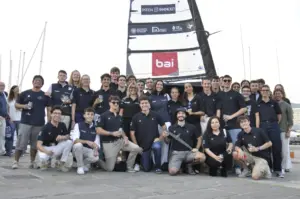
Competing at the highest level requires continuous improvement in both design and manufacturing. 3D printing fits perfectly within this strategy, allowing the Audace Sailing Team from Italy to rapidly produce precise molds for
composite components, scale models for functional testing, and even parts that are directly integrated into their boats. Thanks to 3D technology, they can increase production accuracy and reduce waste, while also pursuing environmental sustainability—a key factor in the future of sailing.

Advantages of 3D Printing in Sailing Boats
Several key advantages make 3D printing a strategic asset for the Audace Sailing team:
- Strength:
The robustness of printed materials enables the creation of molds suitable for demanding processes such as compression molding and vacuum infusion, ensuring reliability and durability. - Complex Geometries:
3D printing offers design freedom that is unattainable with traditional techniques, allowing the team to produce complex, performance-optimized components. - Cost-Effectiveness:
This technology significantly lowers production costs, a crucial advantage for a non-profit student team working with a limited budget. - Production Speed:
3D printing accelerates the production cycle, enabling numerous preliminary tests before final manufacturing and minimizing waste, thereby improving overall productivity.
Materials Used and Reasons for Selection
- Strength and stiffness:
Ideal for producing molds for composite lamination and infusion, it offers excellent dimensional stability even with low infill levels. - Ease of post-processing:
Extremely easy to finish with sanding, even up to very fine grits (2000), facilitating the clean release of components after processing. - Reliable printability:
Its ease of printing allows us to handle even complex geometries confidently, ensuring precise and dependable results.
- High mechanical strength and hardness:
Allows for the production of not only molds but also structural components integrated directly into the boats. - Excellent printability and surface finish:
The combination of easy printing and high-quality surface finish makes PETG ideal for producing functional parts with a high standard of quality.
Experimental Materials:
- Ongoing innovation:
As a student team, we are constantly testing new materials, evaluating their mechanical properties and behavior in contact with water and environmental conditions. - Soluble and removable supports:
Soluble or easily removable materials help improve final part quality by reducing post-processing time and minimizing the risk of damage during part removal.
Future Objectives of the Project
The team's goal is to remain at the forefront of sustainable nautical innovation and achieve top results in high-level competitions through technological advancement. With the support of Polymaker and the use of our advanced materials, they aim to concretely demonstrate the value of 3D printing in naval engineering, while promoting a new sustainable paradigm for the sailing world. Media presence will help disseminate these values and inspire the next generation of the maritime sector.
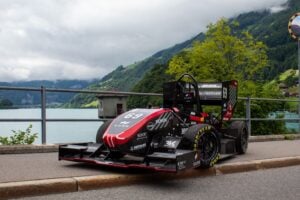
CURE Mannheim e.V. is the Formula Student team of DHBW Mannheim, where a new fully electric race car is designed, manufactured, and competed all across Europe every season. The team combines expertise from various engineering disciplines, including aerodynamics, electric powertrains, high-voltage systems, lightweight construction, and vehicle dynamics.
Their mission is to drive innovation in electric motorsport through high-quality engineering, sustainable design decisions, and the use of modern manufacturing technologies. They aim to create reliable, high-performance components while maintaining efficient workflows and industry-oriented development methods.
Why CURE Mannheim uses 3D printed parts
Additive manufacturing has become one of the most important tools in our development cycle. The ability to produce parts quickly, cost-effectively, and with complex geometries makes 3D printing ideal for the high pace and engineering depth of Formula Student.
For CURE, 3D printing provides:
- rapid production of prototypes and functional components
- full freedom of geometry, enabling optimized designs
- significant reduction of lead times in the development process
- customized parts that fit the specific technical requirements
- cost efficiency, especially for low-volume or experimental parts
From the first design idea to the final race-ready component, 3D printing allows them to iterate faster and innovate more efficiently.
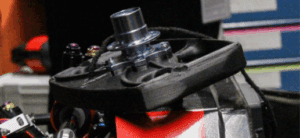
Steering Wheel made out of Polymaker Fiberon™ PA6-CF20
Advantages of 3D Printed Parts
3D printing offers several benefits for their vehicle development. It allows the production of lightweight components, supports the creation of complex geometries such as ducts, housings, and aerodynamic structures, and enables fast iteration during the design process. The technology is cost-efficient for low-volume manufacturing and provides a wide range of materials, making it possible to select the most suitable filament for each application.
Why these Specific Polymaker Materials
To meet the broad range of mechanical, thermal, and functional requirements in the vehicle, Cure Mannheim selected four Polymaker materials that fit perfectly into their application spectrum.
PolyMax PC-FR is used for components that require thermal stability and electrical safety, such as TS housings and PCB enclosures. Its flame-retardant formulation, strong layer adhesion, and high heat resistance make it ideal for protecting sensitive electronics and ensuring reliability in areas exposed to elevated temperatures.
PolyMax PETG is Cure Mannheim's preferred choice for quick and dependable prototype production. It prints consistently, offers sufficient mechanical strength for non-critical parts and withstands moderate chemical exposure. These properties make it suitable for functional prototypes and components like "catch can covers" that do not require high structural performance.
Fiberon™ PA6-CF20 provides the combination of stiffness, strength, and low weight needed for structural applications in the vehicle. The carbon-fiber reinforcement improves dimensional stability and increases the material’s load-bearing capability, making it well-suited for steering gear mounts, inserts, and aerodynamic core structures.
PolyFlex TPU is used when flexibility, durability, and environmental protection are required. Its elasticity and abrasion resistance allows to create custom sealing elements and protective features, particularly around high-voltage components, where resistance to dirt, moisture, and vibration is essential.
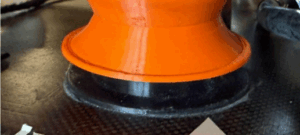
Sealing made out of TPU-90A
What they aim to achieve with the Project
Our objective is to demonstrate how advanced 3D printing materials can meaningfully contribute to the performance, reliability, and safety of a modern Formula Student race car. Through the integration of Polymaker materials, CURE Mannheim aims to:
- enhance the mechanical and thermal performance of our components
- reduce weight while maintaining structural integrity
- improve safety in areas involving electronics and high-voltage systems
- accelerate development cycles with fast prototype-to-final-part transitions
- explore new possibilities in lightweight design and component optimization
By achieving these goals, the teams strengthen their position as an innovative Formula Student team and highlight the benefits of combining engineering expertise with advanced additive manufacturing materials.
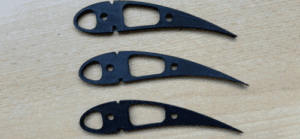
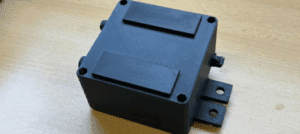
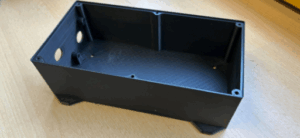
Example Components of 3D printed parts
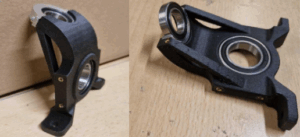
Proud Platinum Sponsor at SMRRF 2026
7th & 8th March 2026
The Dalton Building, Manchester
Come Visit Our booth!
We’re proud to announce that we’ll be attending SMRRF 2026 as a Platinum Sponsor, supporting the incredible work of the SANJAY MORTIMER FOUNDATION. Being part of this event at the Platinum level allows us not only to showcase what we do, but also to actively give back and help support the foundation’s mission and the community it serves.
You’ll find us at our Booth, where we’re creating a space that’s all about creativity, interaction, and fun.
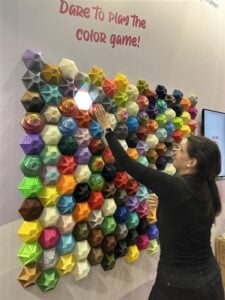
Play Our Interactive Wall Game
One of the highlights of our booth will be our interactive wall game, a hands-on experience designed to stop you in your tracks and get you playing. Whether you’re competitive, curious, or just love something a little different, it’s a fun way to engage, challenge yourself, and see what we’re all about.
Discover Our Latest Prints
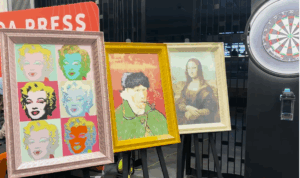
We’ll also be unveiling a collection of really cool prints. Bold, eye-catching, and crafted with care, these prints reflect what inspires us and what we love to see from the maker community. It’s a great chance to see what you will be able to print with our filament.
Why Visit Our Booth?
• An interactive experience you can’t get online
• Unique prints you’ll want to take a closer look at
• A chance to meet the team, chat ideas, and have some fun
If you’re attending SMRFF 2026, make sure to stop by our booth, play the wall game, check out the prints, and say hello. We can’t wait to be part of the show and share what we’ve been working on.
See you at SMRFF 2026!
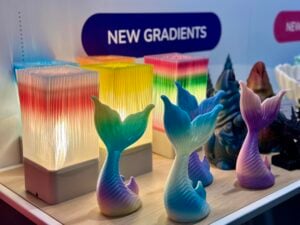
Polymaker is proud to unveil a new chapter in 3D printing color design: twenty-four Panchroma™ Gradient PLA filaments. From magical translucent blends to bold matte transitions and shimmery shifts, this collection represents the fusion of material science and artistic vision.
Panchroma™ Gradient PLA filaments is a collection that brings color, texture, and artistry together. These new gradients such as Celestial, Matte, Galaxy, Starlight, and Crystal series, introduce fresh hues, new surface finishes, and luxurious transitions that transform every printed piece into a visual experience. Created for makers who want their prints to stand out effortlessly, Panchroma™ Gradient PLA offers vivid color movement and a silky, unmistakable finish. Each spool delivers smooth, consistent transitions that feel alive from the moment your print begins.
This launch is more than a palette expansion
It is the result of months of creative collaboration with designers who shape the 3D printing community through their art, their craftsmanship, and the ways they push the boundaries of what printed objects can be. Each gradient family was paired with a creator whose style could inspire, refine, and elevate the materials themselves.
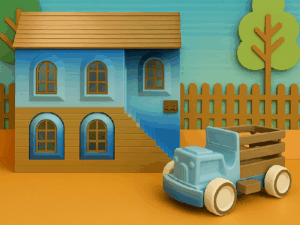
The Gradient Matte series came to life through the vision of Diego, known online as @skip_per07. Based in Europe, Diego has been a longtime collaborator with Polymaker and is widely recognized for his clean, modern product designs. His beautiful toys, decorations, and sculptural objects reflect a deep appreciation for form and finish. Diego has always had a passion for our matte materials, and his aesthetic sensibility shaped this collection into a set of gradients that feel both contemporary and warm. Under his influence, the Matte series captures the understated elegance that only true matte craftsmanship can bring.

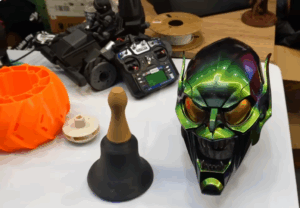
For the Gradient Starlight series, we turned to Lucas from Dutch RC Prints, a creator whose work stands out for its polished realism. Lucas designs and produces RC car bodies and components with an attention to detail that borders on cinematic. The metallic shimmer of the Starlight gradients resembles the glossy brilliance of automotive paint, making Lucas the perfect match. Having already created a stunning RC model using our green Starlight, he brought expert insight into how metallic transitions can enhance form and surface in motion.
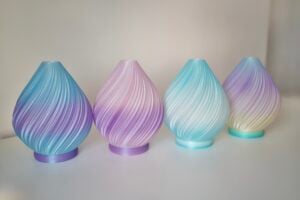
The Gradient Celestial series was shaped alongside Simona, known as @simiu3D. Based in Europe, she is celebrated for her elegant, minimal décor pieces, lamps, vases, and sculptural forms that blend softness with sophistication. Simona immediately saw the Celestial gradients as “materials from a fairytale,” and her work with lighting and translucent designs demonstrated how beautifully these gradients interact with illumination. Her ability to turn subtle shapes into atmospheric sculptures was instrumental in refining this series into something truly magical.
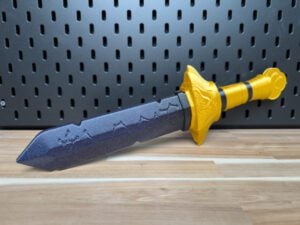
On the other side of the Atlantic, the Gradient Galaxy series found its collaborators in the team at The Kit Kiln, creators based in the United States who have gained admiration for their print-in-place kits that require no supports, no glue, and no multi-material setup. Their playful yet technically brilliant approach to design aligned perfectly with the cosmic tones of the Galaxy gradients, resulting in a series that feels dynamic, bold, and endlessly imaginative.
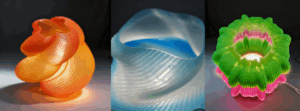
Light behaves differently in the Gradient Crystal series, where translucency becomes the star. These gradients blend jewel-like tones with luminous clarity, shifting as natural crystals do when held up to the sun. The Crystal series takes advantage of understanding of how printed objects transform under illumination. Makers who craft lamps, vases, or décor pieces will find that Crystal filaments elevate even the simplest forms into glowing, dimensional sculptures.
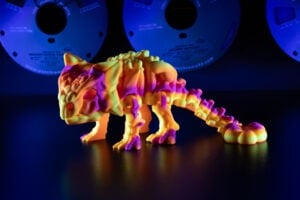
And then there is the boldest member of the collection: Gradient Halloween Neon, part of the Gradient Neon family. This filament channels electrifying transitions that glow intensely under UV light, making it perfect for Halloween props, desk toys, signage, and any design meant to ignite attention. In blacklight environments, Halloween Neon becomes something otherworldly, radiant, energetic, and visually explosive.
Across the entire lineup, every spool is engineered with a consistent, predictable color cycle. Makers can rely on stable transitions that allow them to position hues exactly where they want them, whether crafting large lamp shades or tiny figurines.
The full Panchroma™ Gradient PLA collection is now available, and we are excited to see how makers bring these colors to life in their own work. The future of gradient printing is vibrant, expressive, and beautifully engineered—and it begins here.

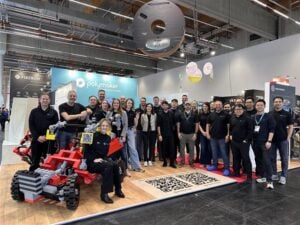
Thank stopping by our stand at Formnext 2025!
We hope you enjoyed discovering our latest breakthroughs firsthand. These were the highlights of our booth:
• Our HT-PLA & HT-PLA-GF, and PETG filaments
• Launch of fresh Panchroma™ Gradient colors plus refills and Panchroma Basic colors
• Fiberon high-performance material family with our latest materials
• A showcase filled with impressive prints and live case studies
• Dedicated zones for pellets, functional materials, flexible formulations, and a VIP lounge for deeper conversations
• A great opportunity to meet the Polymaker team (R&D, sales, marketing, technical leads) and our influencers and partners
Whether this event sparked new ideas or you’d like to dive deeper into any of the innovations you saw (or missed), we’re here to help. Just fill in our contact form and we'll get back to you!
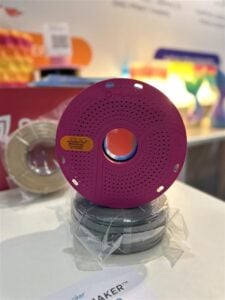
Summary of our booth
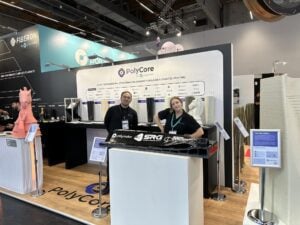
Polycore - space
Loaded with fantastic prints and a great team to discuss pellet printing with. Highly supported by our Polycore partners. Discover some great case studies online that we presented during the show:
TPU insoles with PolyCore™ TPU-2000 (95A)
RTM mold with PolyCore™ PC-7413
Meeting Pod, Aesthetic Materials Working Together - PolyCore™ PETG-1113 Marble and PETG-1000 R85
Trimming Tooling Mold with PolyCore™ PETG-1113
Booth reception with PolyCore™ PETG-1113 Marble
Wind turbine blade mold with PolyCore™ ABS-5022 (20% CF reinforced)
Large, fluid wall panels with PolyCore™ PETG-1000 R85
80CM and 60CM chess piece with PolyCore™ PETG-1312
Side table with PolyCore™ PETG-1113
Fiberon space
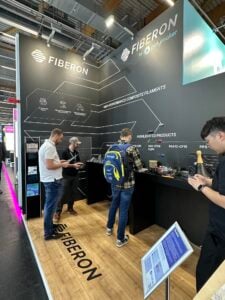
Our high-performance Fiberon materials were on display. Including:
The large bell with a metal sound and stiffness, made of PPS-GF20
Climbing wall and Gardena garden hose pieces made of ASA-CF08
ESD housing and stylus pen created with PA612-ESD
Moving electrical eyes with PET-GF15
Discover all our Fiberon materials at fiberon.polymaker.com
Polymaker-space
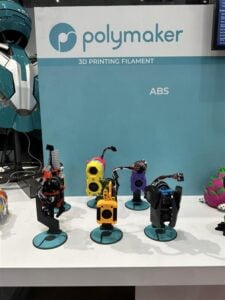
We had a table full of our Polymaker materials, including our Polydryer.
What was on display:
Violins and Lego out of PLA Pro
And a fantastic range of prints made out of our new PETG
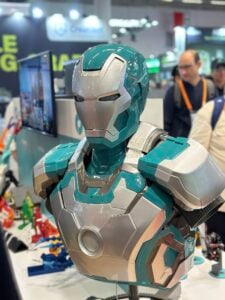
Flex-space
We presented our latest TPUs and other flexible materials. The materials included where, Foaming TPU, TPU 95A High speed, TPU-2000 95 A (pellets), and our specialized materials TPEE-90A and BL-200 95A
Do you want to know more about these materials? Please contact Lin via [email protected]
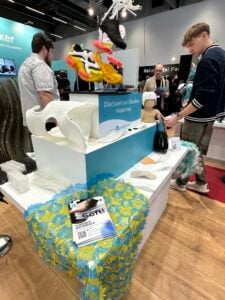
Robot-arena
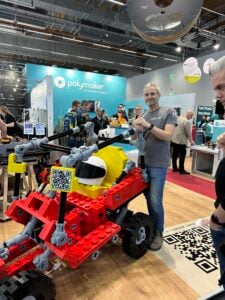
Two major influencers were at our booth during the whole event. Check out their socials for the prints they presented:
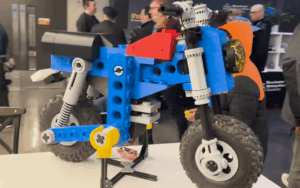
Big Lego bike by Matt Denton @Mantisrobot
Walking machine by James Bruton @xrobotsuk
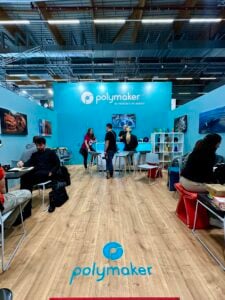
VIP-lounge
This year we invited our partners in customers in our special VIP lounge area. Missed the event and the chance to talk to us? You can always contact us online, just fill in the contact form here.
Games and fun!
This year we had again a booth full of fun, with the highlight being the Wall game and Photowall.
The game wall was made possible by our Belgian reseller, 3Ducation
The Photobooth was made possible by Benoit from @entroisdimensions
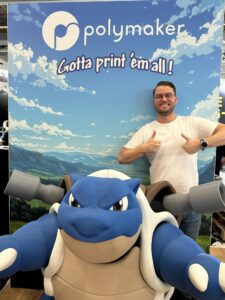
Partners on our booth
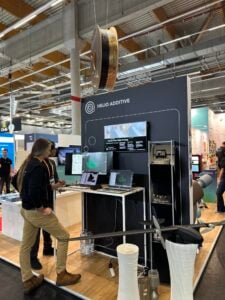
This year we had 2 special partners and their crew at our booth.
Helio Additive a software solution to optimize your prints
Hueforge -Transform your 2D images into stunning, photo-like 3D prints

Better for the Planet and Your Wallet

AMS Compatibility and Reusable Spool Details
Are your refill filaments compatible with Bambu reusable spool?
When will you sell a reusable spool?
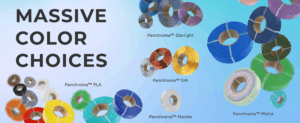
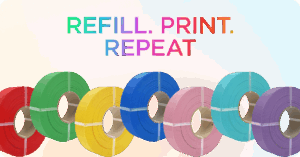
The New Panchroma™ PLA Refill Lineup
- Panchroma™ Starlight Neptune PLA
- Panchroma™ Starlight Twilight PLA
- Panchroma™ Starlight Nebula PLA
- Panchroma™ Starlight Comet PLA
- Panchroma™ Silk Gold PLA
- Panchroma™ Silk Silver PLA
- Panchroma™ Silk Bronze PLA
- Panchroma™ Matte Charcoal Black PLA
- Panchroma™ Matte Cotton White PLA
- Panchroma™ Matte Fossil Grey PLA
- Panchroma™ Matte Army Dark Green PLA
- Panchroma™ Matte Sapphire Blue PLA
- Panchroma™ Matte Lava Red PLA
- Panchroma™ Matte Earth Brown PLA
- Panchroma™ Matte Savannah Yellow PLA
- Panchroma™ Matte Pastel Peanut PLA
- Panchroma™ Matte Wood Brown PLA
- Panchroma™ Matte Forest Green PLA
- Panchroma™ Matte Arctic Teal PLA
- Panchroma™ Matte Sunrise Orange PLA
- Panchroma™ Matte Sakura Pink PLA
- Panchroma™ Matte Army Blue PLA
- Panchroma™ Matte Army Red PLA
- Panchroma™ Matte Army Beige PLA
- Panchroma™ Matte Lavender Purple PLA
- Panchroma™ Gradient Matte Pastel Rainbow PLA
- Panchroma™ Marble White PLA
- Panchroma™ Basic Black PLA
- Panchroma™ Basic White PLA
- Panchroma™ Basic Grey PLA
- Panchroma™ Basic Red PLA
- Panchroma™ Basic Blue PLA
- Panchroma™ Basic Green PLA
- Panchroma™ Basic Orange PLA
- Panchroma™ Basic Yellow PLA
- Panchroma™ Basic Steel Grey PLA
- Panchroma™ Basic Brown PLA
- Panchroma™ Basic Polymaker Teal PLA
- Panchroma™ Basic Cold White PLA
From Bottle to Breakthrough
PolyCore™ PETG-1000 R85 — 85% PCR Pellets for Sustainable LFAM
Plastic bottles drifting in the ocean, packaging buried in landfills, containers tossed on the streets - these are the consequences of nearly 400 million tons of plastics produced every year, almost half of which are single-use[1]. The call to reduce the use of virgin plastics and embrace circular solutions has never been louder.
Polymaker’s PolyCore™ PETG-1000 R85 answers this call. Made with 85% post-consumer recycled (PCR) content, this pellet-based material turns discarded plastics into premium feedstock for LFAM/FGF. It delivers a practical path to circular manufacturing—combining reliability in printing with a unique visual character.
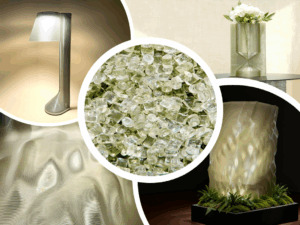
Figure 1 | PETG-1000 R85 Pellets and Printed Parts
________________________________________
What is PCR?
Post-Consumer Recycled (PCR) plastics come from everyday items that have already been used — such as beverage bottles, food packaging, and household containers. Once collected, cleaned, and reprocessed, they are transformed into high-quality raw materials — turning waste into resources and reducing dependence on virgin plastics.
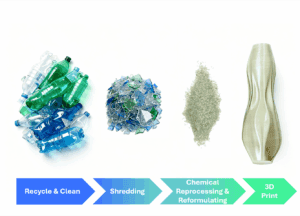
Figure 2 | PETG-1000 R85’s Full Lifecycle: From Recycling to Printing
________________________________________
Bottles Reborn, Carbon Reduced
PolyCore™ PETG 1000 R85 is formulated with 85% PCR content from single-use, consumer PET beverage bottles sourced from municipality waste. By using advanced chemical recycling, the bottles are broken down and rebuilt into consistent, high-performance 3D printing pellets.
What does this mean for the environment?
A typical 500 ml PET bottle weighs about 20–25 g, so each kilogram of PETG-1000 R85 brings approximately 40 single use plastics bottles back into circulation and out of the landfill
The material is also certified under the Global Recycled Standard (GRS) — the leading international benchmark for recycled content, traceability, and responsible production. Since 2008, GRS has set the global framework for credible sustainability claims. For PETG-1000 R85, this means every stage—from sourcing recycled raw materials to final manufacturing—meets strict standards for transparency, environmental performance, and social responsibility.
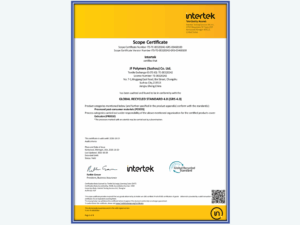
Figure 3 | Global Recycled Standard (GRS) Certificate[2]
_______________________________________
Reliable Printing × Expressive Design
In practice, PETG-1000 R85 offers smooth extrusion and consistent melt flow, making is suitable for a variety of pellet printer sizes and screw types / dimensions.
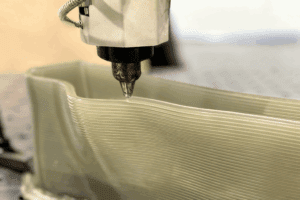
Figure 4 | Smooth Extrusion and Printing with PETG-1000 R85
Beyond performance, the material’s semi-transparent pale green hue shifts naturally with varying thicknesses flowing from airy translucence to rich, vibrant tones. This dynamic character makes it especially powerful in artistic and architectural applications: the fluid curves of custom furniture, the shifting glow of façades, or the layered translucency of installations all gain a sense of vitality and movement through this material.
________________________________________
Partners Voices
“PETG-1000 R85 brings a sense of breath to sustainable design. Its translucent quality and natural tone create an organic rhythm in our installations.” — TRASHAUS
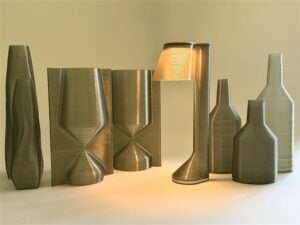
Figure 5 | Indoor Designs Series by TRASHUAS
“This material has reshaped how we think about recycled plastics. It’s not only sustainable but also visually captivating—the subtle green glow instantly transforms a space.” — Argenta
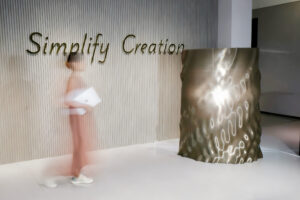
Figure 6 | Installation Art ‘Spine’ by Argenta
________________________________________
A Step Toward Sustainable Manufacturing
With PolyCore™ PETG-1000 R85, Polymaker proves that recycled materials can deliver both reliable printing performance and distinctive aesthetics. More than just a product, it represents a step forward in our sustainability journey. Looking ahead, we will continue expanding the role of PCR content across more materials, guided by global standards like GRS, to unlock new circular possibilities within Large format additive manufacturing.
________________________________________
Request a Free Sample of PolyCore™ PETG-1000 R85 Pellets
(Not Filament)
📩 More requests, product details, or orders, contact: [email protected]
________________________________________
[1] Source: United Nations Environment Programme (UNEP). Drowning in Plastics – Marine Litter and Plastic Waste Vital Graphics. Report, 2021.
[2] It should be noted that JF Polymers (Suzhou) Co., Ltd., shown on the certificate, is the registered company name of Polymaker.
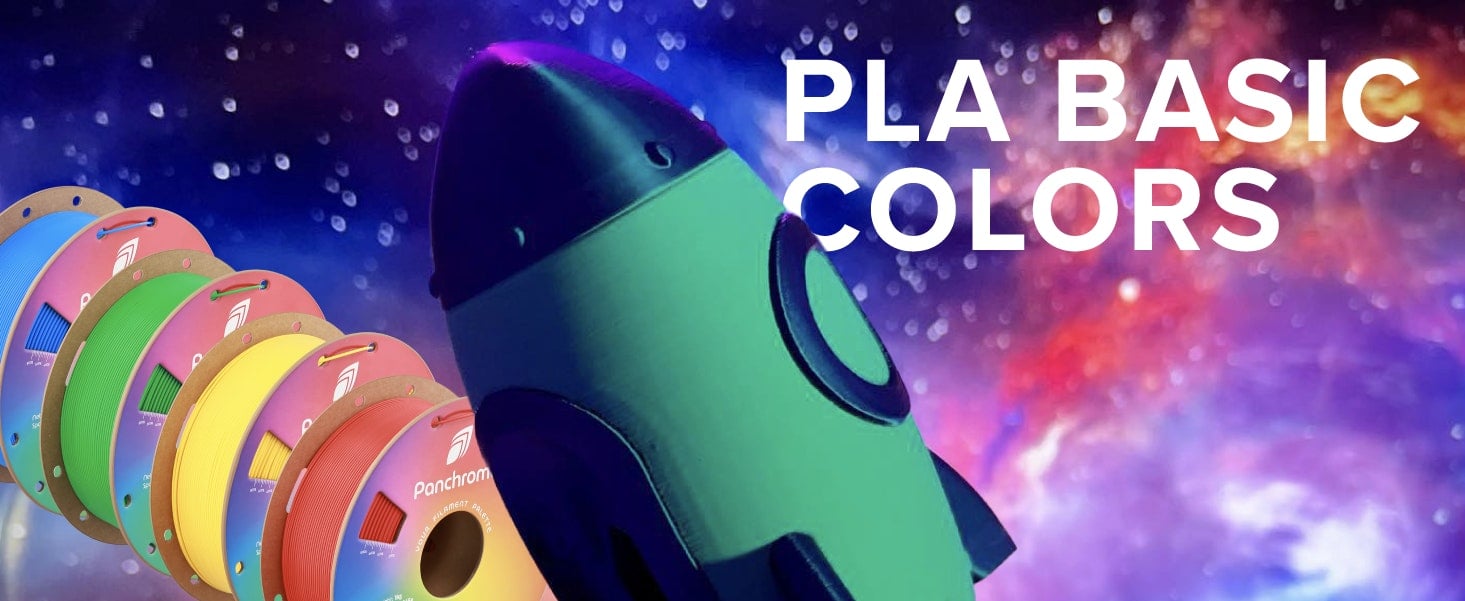
Ideal for Creative Projects
Why “Panchroma™”?
- Panchroma™ = standard PLA (colors + effects)
- PLA Pro & unique PLA = advanced performance formulas
What’s New with the Formula?
- Fast printing up to 350mm/s with high-flow extrusion of 28mm³/s.
- Greater ductility (~19% elongation at break vs ~6% for PolyLite PLA), making prints more likely to bend before breaking.
- Tougher performance, with nearly double the notched impact resistance of PolyLite PLA.

One Unified PLA Identity


If you’ve been a fan of our silk-finish filaments, you’ll love what’s next. Panchroma™ Silk PLA isn’t a brand-new product, it’s the result of continuous innovation, building on years of feedback and technical advancements to deliver the best silk PLA experience yet.
A Journey of Improvement
Our story began with PolyLite™ Silk PLA, a filament known for its beautiful sheen and reliable performance. Last year, we rebranded PolyLite™ Silk PLA as Panchroma™ Silk PLA, grouping our brightest and most vibrant offerings under the new Panchroma brand to create a more organized and premium product lineup, reflecting our commitment to vibrant color and quality.
But we didn’t stop there. The latest Panchroma™ Silk PLA is a completely updated formula, engineered to address the needs of makers, artists, and professionals alike. This new version brings significant improvements in printability, speed, strength, and consistency, while keeping the signature silk finish you love.
What’s New in the Panchroma™ Silk PLA Formula?
1. Enhanced Silk Finish & Color Variety
Enjoy a dazzling, silk-like luster in a wide range of single and dual colors. Each spool is designed to make your prints stand out, whether you’re creating home décor, cosplay props, or unique gifts.
2. Superior Printability for All Users
- Seamless compatibility with most 3D printers and Silk PLA settings.
- Clog-Free Confidence: Our reformulated material minimizes thermal expansion, eliminating nozzle jams and ensuring smooth, reliable printing.
- Flexible yet tough: The filament bends without breaking, making it easy to load, store, and print, even through complex feeding systems.
3. Print Faster Than Ever
The new Panchroma™ Silk PLA supports print speeds up to 250mm/s - 60% faster than standard silk filaments. For the glossiest results, slow the outer wall speed to 150mm/s max. This means more output in less time, without sacrificing quality.
4. Engineered Strength & Consistency
- Superior layer bonding and flexibility, even with silk’s delicate appearance.
- Consistent 1.75mm filament diameter and color for flawless prints.
- Improved mechanical properties:
- Tensile strength (Z): 23.84±2.75 MPa
- Notched impact strength (XY): 13.82±1.27 kJ/m²
- Elongation at break (XY): >40%
- These upgrades mean your prints are not just beautiful, they’re durable and reliable.
Panchroma™ Silk PLA vs. Previous Formulas
|
Feature
|
Panchroma™ Silk PLA (New)
|
Panchroma™ Silk PLA (Old)
|
PolyLite™ Silk PLA
|
|
Max Print Speed
|
250mm/s
|
150mm/s
|
150mm/s
|
|
Clog Resistance
|
High
|
Moderate
|
Moderate
|
|
Layer Adhesion
|
23.84±2.75 MPa
|
20.2±5.7 MPa
|
20.2±5.7 MPa
|
|
Toughness (Impact Strength)
|
13.82±1.27 kJ/m²
|
2.91±0.06 kJ/m²
|
2.91±0.06 kJ/m²
|
|
Elongation at Break
|
>40%
|
3.7±0.7%
|
3.7±0.7%
|
The Result: A Silk PLA That Grows With You
Panchroma™ Silk PLA is the culmination of our ongoing commitment to quality and innovation. Whether you’re a hobbyist, artist, or professional, you’ll appreciate the improved speed, strength, and reliability—alongside the signature silk finish that’s made this filament a favorite.

July 2025 — Polymaker, a global innovator in 3D printing materials, proudly announces its latest pellet material, PolyCore™ PETG-1113 Marble. This material artfully combines a marble-effect masterbatch with PolyCore™ PETG-1113, a PETG pellet reinforced with 30% glass fiber. The result is a stunning matte, white finish decorated with naturally dispersed with a speckled master batch, closely resembling real marble. This unique aesthetic makes PolyCore™ PETG-1113 Marble an ideal choice for visually demanding applications, such as indoor decorations, art pieces, sculptures, and high-end custom furniture, while still offering excellent printability and mechanical properties.
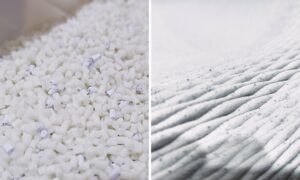
Figure 1 | Product Showcase: PolyCore™ PETG-1113 Marble Pellets and Printed Samples
Fused Granule Fabrication (FGF), also known as Large-Format Additive Manufacturing (LFAM), is becoming increasingly popular in interior design and furniture production. However, many current materials are limited in appearance, look overly plastic and fail to meet the market's growing demand for diverse colors and finishes.
Additionally, the process for requesting a custom finish or blending a masterbatch on site can be a timely and costly process, further limiting the use of LFAM/FGF technology within these applications.
To address this challenge, Polymaker has developed PolyCore™ PETG-1113 Marble. A pellet delivering a marble-like texture straight out of the extruder with no post-processing required and achieving both visually and tactilely appealing results.
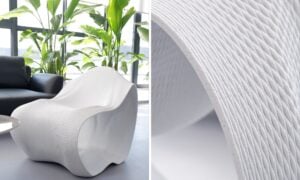
Figure 2 | Application Example: Fuyao Chair Printed with PolyCore™ PETG-1113 Marble
(Designed by Geobuild)
Feature above is the ‘Fuyao Chair’ designed and printed by Geobuild, a 3D printing company specializing in architecture and design. After successfully printing using PolyCore™ PETG-1113 Marble, it gained significant attention at the TCT Asia 2025.
Geobuild stated, "During our use of PolyCore™ PETG-1113 Marble, we were impressed by its elegant appearance and excellent printing performance. The material's marble-like finish not only provided us with more possibilities in design but also gave our work a convincing high-end feel and visual appeal. We look forward to exploring more applications in future projects."
In addition to its aesthetic qualities, PolyCore™ PETG-1113 Marble offers impressive CNC milling performance. Specifically, when machined, the printed parts minimizes material buildup on cutting tools and produces a smooth, polished surface, further highlighting the marble effect. This finishing option allows users to further enhance the marble-like appearance of their designs.
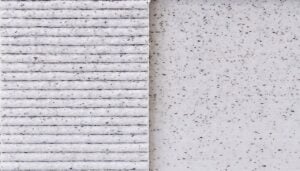
Figure 3 | CNC Finishing Comparison: Before and After for PolyCore™ PETG-1113 Marble prints
Moreover, PolyCore™ PETG-1113 Marble excels in printability. It offers excellent extrusion quality, strong dimensional stability, and a broad printing window (layer time range), all of which ensure high success rates across various geometries and printing environments.
From a mechanical perspective, the 30% glass fiber reinforcement provides significant strength and toughness, along with excellent interlayer bonding, balancing both decorative appeal and functionality.
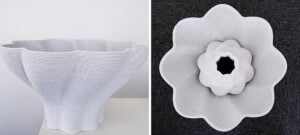
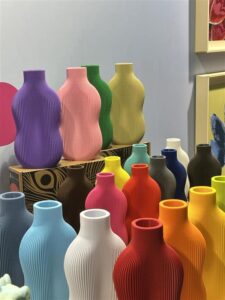
Figure 4 | Application Example: Vases Printed with PolyCore™ PETG-1113 Marble
The launch of PolyCore™ PETG-1113 Marble represents a significant advancement in enhancing LFAM/FGF technology for interior design and home furnishings. At Polymaker, we believe in innovation and PETG-1113 Marble demonstrates a pioneering finish whilst retaining optimal printing performance. Looking ahead, Polymaker will continue to explore more aesthetic options to create even better solutions.
PETG-1113 Marble Is Now Available.
Sign up to get a sample.
By filling in this form, you are requesting a pellet sample (not filament!).
For more information or technical details, please contact us at [email protected].
Order now to discover the aesthetic difference that PolyCore™ PETG-1113 Marble can bring to your projects!
Polymaker, a leading producer of 3D printing materials, announces the expansion of its product portfolio with the launch of two new distinct product families, Fiberon™ and Panchroma™. Fiberon™ focuses on developing cutting-edge composite filaments with both high performance and excellent printability, while Panchroma™ offers filaments with the most diverse range of aesthetic properties. These new offerings underscore Polymaker's commitment to innovation and its ongoing efforts to meet the diverse needs of the 3D printing industry.
"We see two increasingly critical needs in the FDM/FFF industry – functional properties and aesthetics. Fiberon™ and Panchroma™ are our answers to address these customer needs," stated Dr. Xiaofan Luo, CEO of Polymaker.
Fiberon™
Master composite materials with Fiberon™, democratizing high performance composite 3D printing filaments with a comprehensive range of material properties. The launch of Fiberon™ introduces 3 new fiber reinforced materials to the market, PET-CF17, PETG-rCF08 & PPSCF10. These new materials are paired together with the existing composite filaments from Polymaker (PA6-CF20, PA6-GF25, PA612- CF10, PA12-CF10, PETG-ESD). In essence, Fiberon™ brings industrial-grade composite performance to the desktop, enabling a new wave of end-use part production and functional prototyping applications previously off-limits due to printer capabilities and pricing.

"Traditionally, desirable material properties like strength or heat resistance required expensive industrial printers. Fiberon™ challenges this. With advanced materials, users can print strong, stable, functional parts using entry-level printers. We’re democratizing high-performance 3D printing materials.” - Dr. Xiaofan Luo, CEO of Polymaker
Learn More: Fiberon 3D Printing Filament by Polymaker – High-Performance Composite Filaments
Panchroma™
Polymaker’s new aesthetic product family is designed to meet the growing demand for high-quality, visually stunning 3D prints by offering the widest selection of colors and surface finishes available on the market. Panchroma™ is committed to the highest consistency of color for its products with a multi-step process monitoring the quality control for color consistency.

Panchroma™ employs a number of extrusion techniques in order to create their filaments and the combinations of these techniques with the multitude of color expands the filament offering exponentially. Filaments are divided by their extrusion process, then surface finish and finally the color. This allows users to navigate through the vast array of options and find the filament they need.
To further assist customers with their workflows, Polymaker is developing a web-based tool that allows users to create realistic digital renders based on different Panchroma™ colors & surface finishes.
Learn More: Panchroma 3D Printing Filament – Where easy printing meets the world of color (polymaker.com)
On the occasion of the official launch of these two product families, Polymaker has completely upgraded the packaging to enhance the user experience.
• Adding Inside and Outside Spool Wrapping: This ensures smooth rotation of the spools in the AMS while preventing the cardboard dust from dropping during use.


Before vs After
•Modified Hole Shape and Spacing: These changes reduce the likelihood of breakage during threading, enhancing durability.


Before vs After
• Larger Windows on Both Sides of the Cardboard: This allows customers to easily see the filament color, providing a more intuitive selection process.
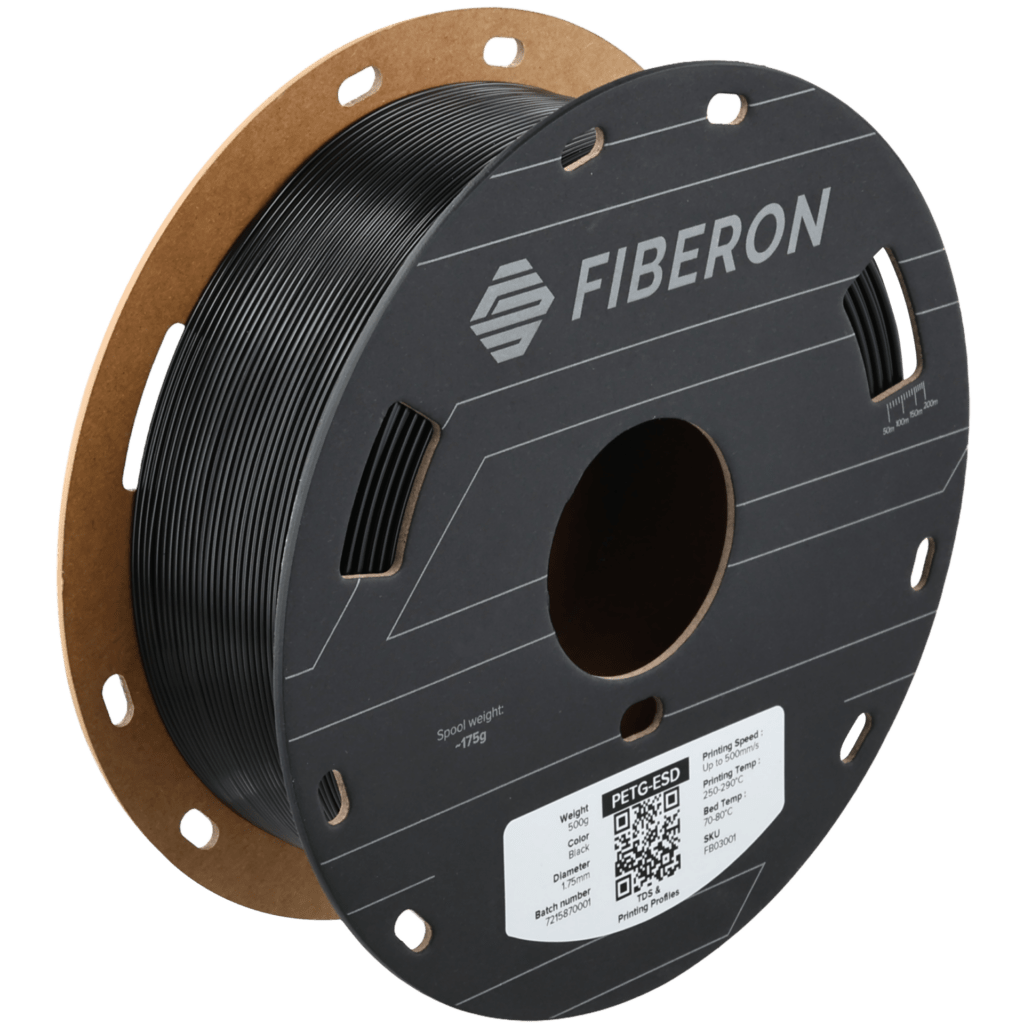

Get ready for the launch of these upgraded products!
SHANGHAI, May 6, 2024 - Polymaker recently won the TCT Asia Best Application Award - Industrial Product Applications for its pellet product, PolyCore™, in the 3D printing of architectural stencils. This honor not only recognizes Polymaker's innovation and excellence, but also its continued leadership in the 3D printing industry.

With the continuous innovation and advancement of 3D printing technology, utilizing the advantages of 3D printing's high precision and large size, PolyCore™ was selected as the product range to produce a 5m(L)*0.4m(W)* 2m(H) brand wall for Polymaker.
Polymaker collaborated with Shanghai Mechanized Construction Group, a subsidiary of Shanghai Construction Group (SCG) and Shanghai Kuying Technology Co., Ltd. to develop and print this wall.
The design of the wall features the Polymaker logo and a multi-faceted pattern, which demonstrates the strength and advantages of 3D printing when implementing creative design ideas in the construction Industry.

The completion of this wall is of great significance. SCG said: “The application of 3D printing technology in large scale shaped concrete formwork will revolutionize the speed and accuracy of manufacturing such as molds in municipal and construction projects. Compared with traditional molds, 3D printing technology effectively reduces the manufacturing cost and construction time, and promotes the transformation of traditional construction to digitalization, industrialization, intelligence, and low-carbonization.”
It is a significant achievement for Polymaker to be recognized at TCT Asia (The most influential additive manufacturing event in Asia) and to be awarded the Best Application Award - Industrial Product Applications, further reinforcing Polymaker’s position and portfolio within the construction field. Detailed information about this case, please click "Architecture Molding Case Printed with PolyCore™".

“We are extremely honored to win this award at TCT Asia this year. It not only recognizes our team's unremitting efforts and continuous innovation, but also brings new insights to the construction industry. Polymaker has been a pioneer in applying 3D printing to the construction field, providing a variety of pellet products for the construction industry including indoor design and outdoor construction, and successfully creating projects such as Taopu Central Park Bridge in Shanghai, China, the “Liuyun Bridge” in Chengdu,China, and Namthaja’s Rakah Roundabout Sculptures. In the future, the brand will also continue to devote itself to technological innovation and product optimization to bring more intelligent manufacturing possibilities to the construction industry and make buildings glow with the beauty of intelligent manufacturing.” Polymaker CEO Dr. Luo Xiaofan said.
In addition to the Best Application Award - Industrial Product Applications, Polymaker was also honored as a “10 Years Exhibitor” on the occasion of the 10th anniversary of TCT Asia. This honor represents Polymaker's longstanding partnership and close relationship with TCT Asia, as well as the brand's continued contributions to the 3D printing industry.

In the future, Polymaker will continue to uphold the spirit of excellence and innovation, expanding the boundaries of the additive manufacturing field, providing customers and partners with superior solutions, and ultimately advancing the development of additive manufacturing technology.
Polymaker is excited to launch PolyDryer™, a revolutionary product designed to provide the ultimate solution for drying and storing 3D printing filaments which protects against dust and moisture. With advanced features, such as modular design, superior sealing performance and high drying efficiency, PolyDryer™ aims to enhance the quality of 3D prints by addressing common issues.

Printing with wet 3D filament can lead to various issues such as stringing, clogging and rough or poor surface quality, highlighting the necessity for drying or sealing. While existing drying or sealing products on the market solve these problems to some extent, combining drying and sealing functions into one comprehensive solution has been a focus for Polymaker, leading to the creation of PolyDryer™.

The whole product features modular design and consists of two units: Dry Dock, ensuring stable temperatures for quick and even drying with a precise heat control system and PTC heater, and PolyDryer™ Box, which offers superior sealing performance and continuous filament protection. These components can be used separately or together. Dry Dock evenly dries filaments in the PolyDryer™ Box above it, and PolyDryer™ Box can be used with or without the dock for separate storage.

Second key feature is its superior sealing performance. PolyDryer™ allows for extended drying and long-term protection of materials. Its exceptional sealing capability and visible desiccant indicator display maintains optimal humidity levels, ensuring that filaments are dry and ready for printing.

Thanks to the high precision heat control system, fan and PTC heater, PolyDryer™ can dry the most commonly used 3D filament types efficiently, including PLA, ABS, ASA, PETG, PA, TPU, PC and more. In addition, filament can also be dried during printing if you press and hold button "M" to activate Continuous Drying Mode, to ensure thorough drying of all filament layers, providing double assurance of material quality.
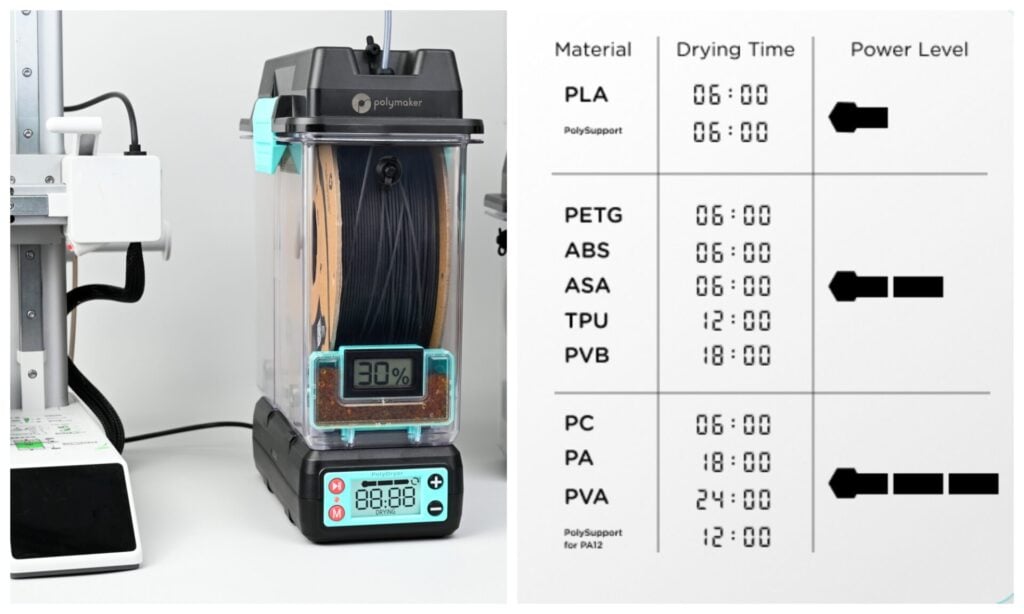
PolyDryer™ offers wide compatibility with various 3D printing materials, accommodates filament up to 1kg, and both of 1.75mm/2.85mm/3.00mm diameters can be used in it. Moreover, it has a compact footprint for which makes it easily portable.
"PolyDryer™ offers a one-stop solution for effective drying and sealing, ensuring optimal printing conditions and improved print quality," stated Dr. Luo Xiaofan, President of Polymaker. He added, "As a brand dedicated to meeting user needs, we aim to provide a complete 3D printing filament solution with this product. In the future, Polymaker will expand its presence in 3D printing materials, offering a wide range of material services to simplify creation.”

Now PolyDryer™ is available on the market, for more details or to purchase, click the link below.
US Store: https://us.polymaker.com/products/polydryer
Amazon: https://www.amazon.com/dp/B0CK1BX9G2
Find A Reseller: https://polymaker.com/find-a-reseller
In addition to the product, several PolyDryer™ exclusive accessories have been carefully designed to enhance your 3D printing experience, please follow us on Printables and MakerWorld:
Polymaker | Published - MakerWorld
Note: DIY modifications may affect the safety and performance of the PolyDryer™.
With the industrial-grade 3D printing technology gradually challenging traditional manufacturing processes such as machining and injection molding, additive manufacturing has expanded from prototype production to more critical applications in end products.
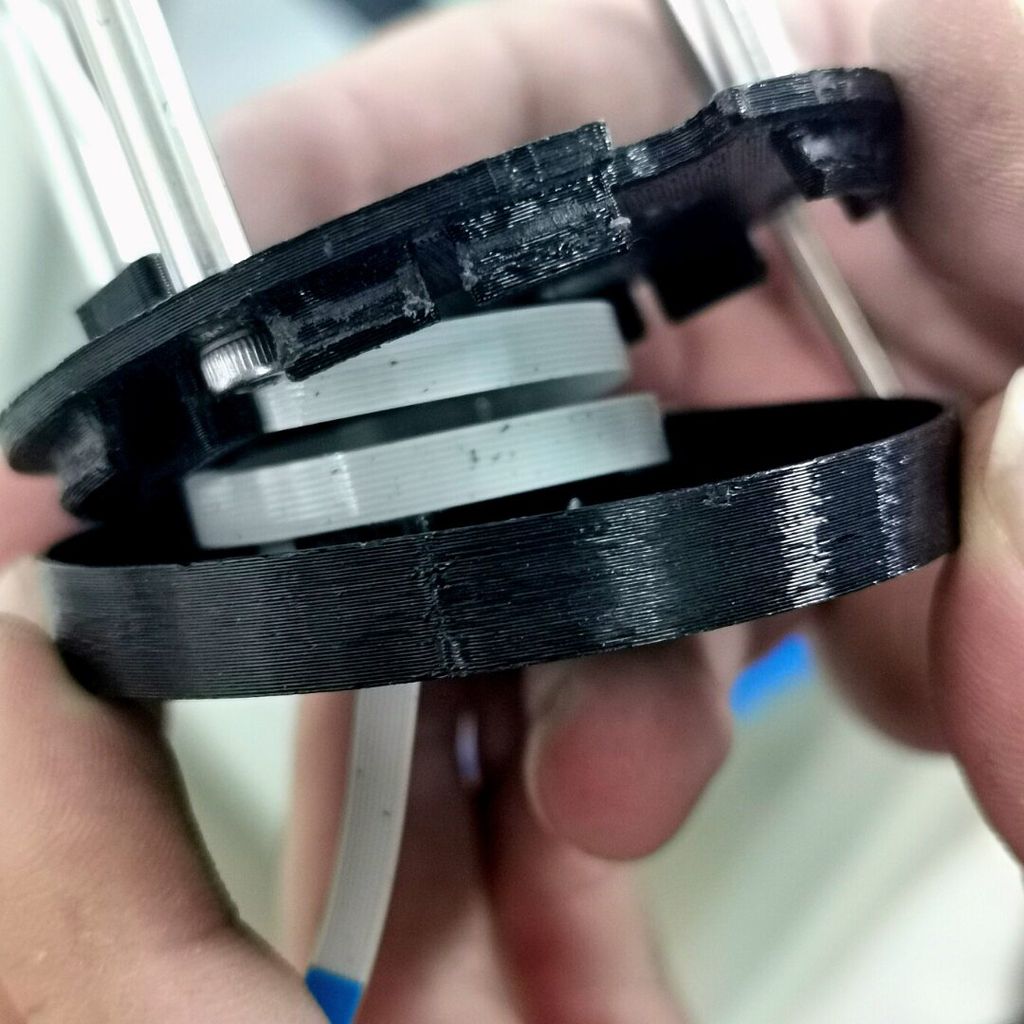
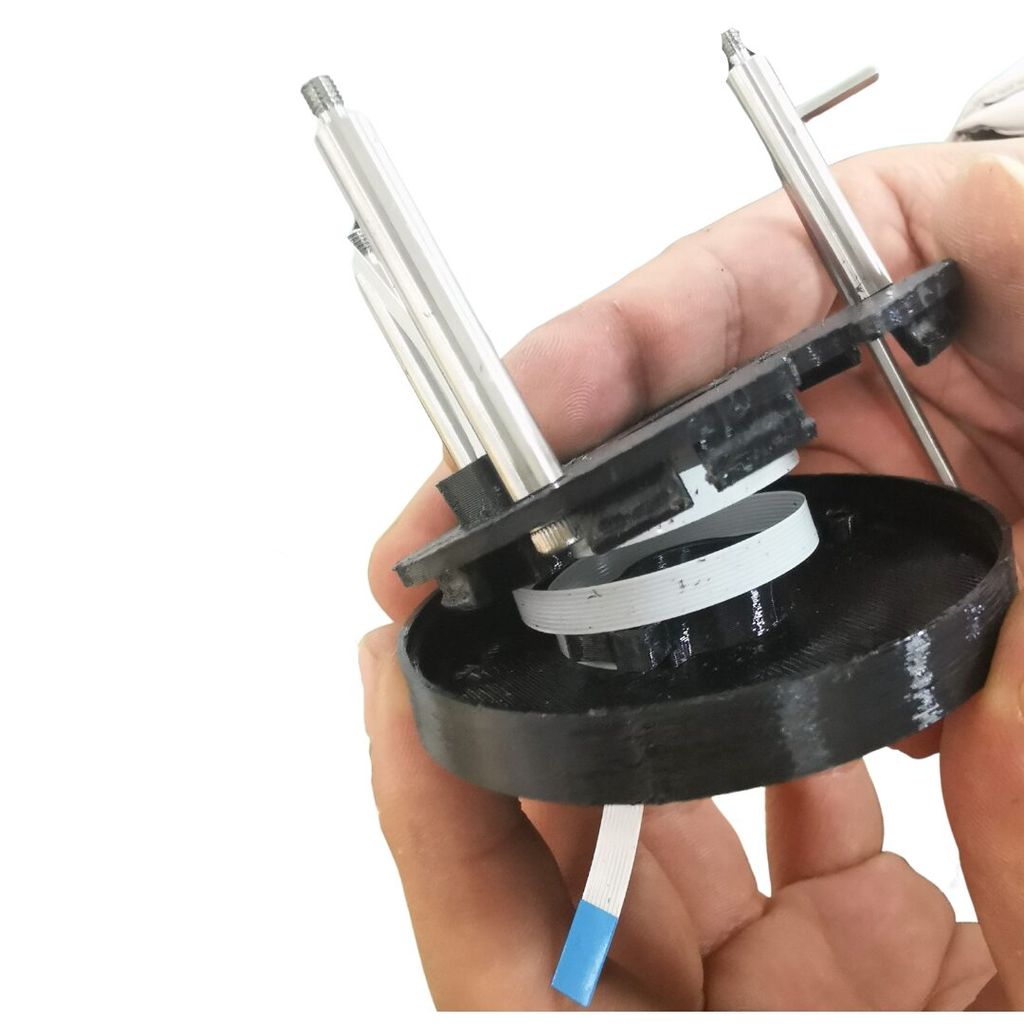
Recently, a motion control company that provides high-precision direct-drive motors was designing suitable connectors for FFC (Flexible Flat Cable) in their research and development equipment. FFC are commonly used connection structures in electronic devices, and the company needed to place them in customized connectors to connect rotary motors and optoelectronic switch devices.
Initially, the company approached an aluminum processor for a quote, but the response forced them to seek alternative solutions:
- MOQ (Minimum order quantity) limitation: 50 pieces per item
- Processing limitations: Some slot designs were too complex for traditional machining processes
- Unstable lead time: A two-week lead time with no guarantee of transportation time.
Compared to aluminum machining, 3D printing technology not only offers faster production speed but also enables lighter part weights. Additionally, 3D printing allows for the simultaneous production of parts with different specifications, achieving customized requirements more economically and efficiently. In the end, the company decided to collaborate with Amesos mfg and Polymaker to produce connectors for FFC.
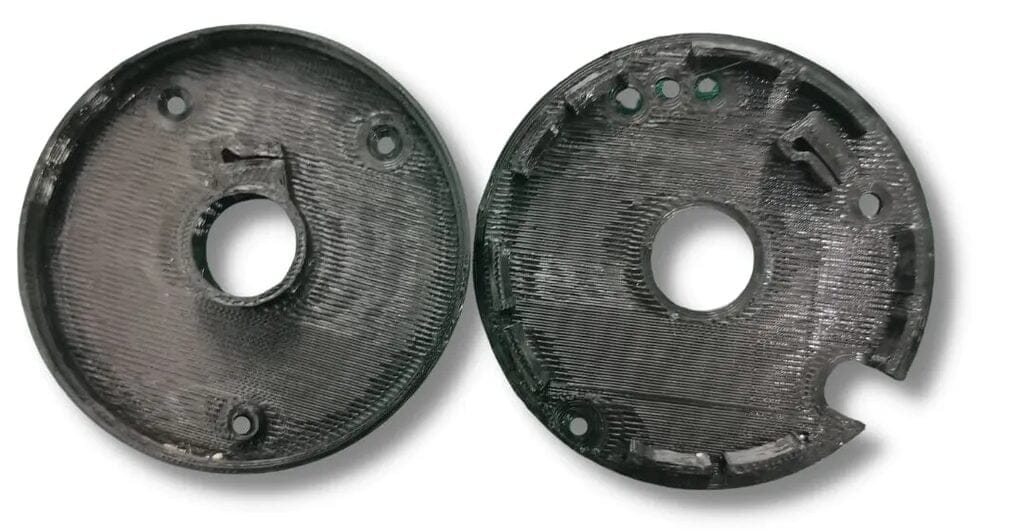
In this collaboration, the customized connector features multiple holes and slots in its internal design, serving the purpose of later assembly and positioning. The connector is designed in two parts, and once assembled, it can securely hold the FFC inside, with its ends connected to the rotary motor and other electrical components.
The rotary motor drives the continuous rotation of the FFC, while the connector allows for separation and rotation. The design also includes limiting slots to prevent the cable from tangling or breaking. After the parts are printed on the same day, the customer can immediately proceed with the trial installation.
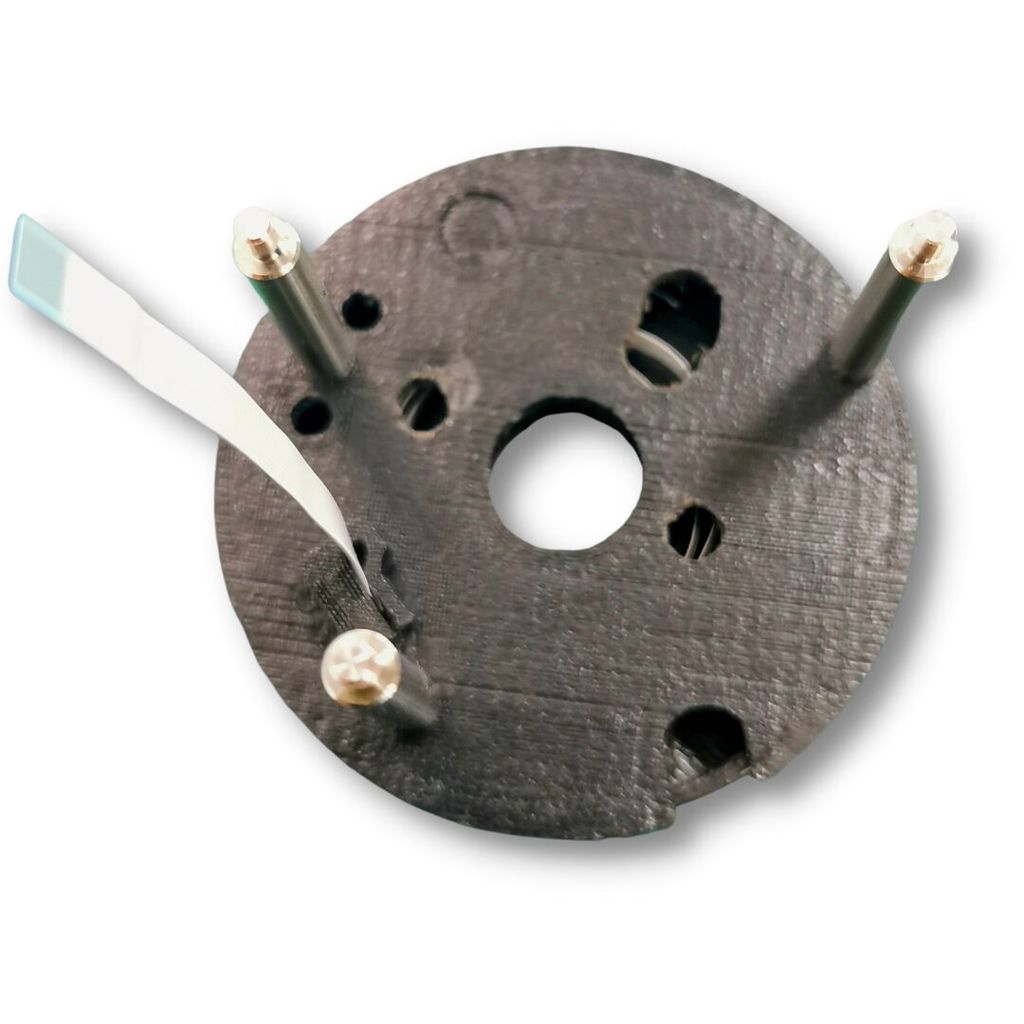
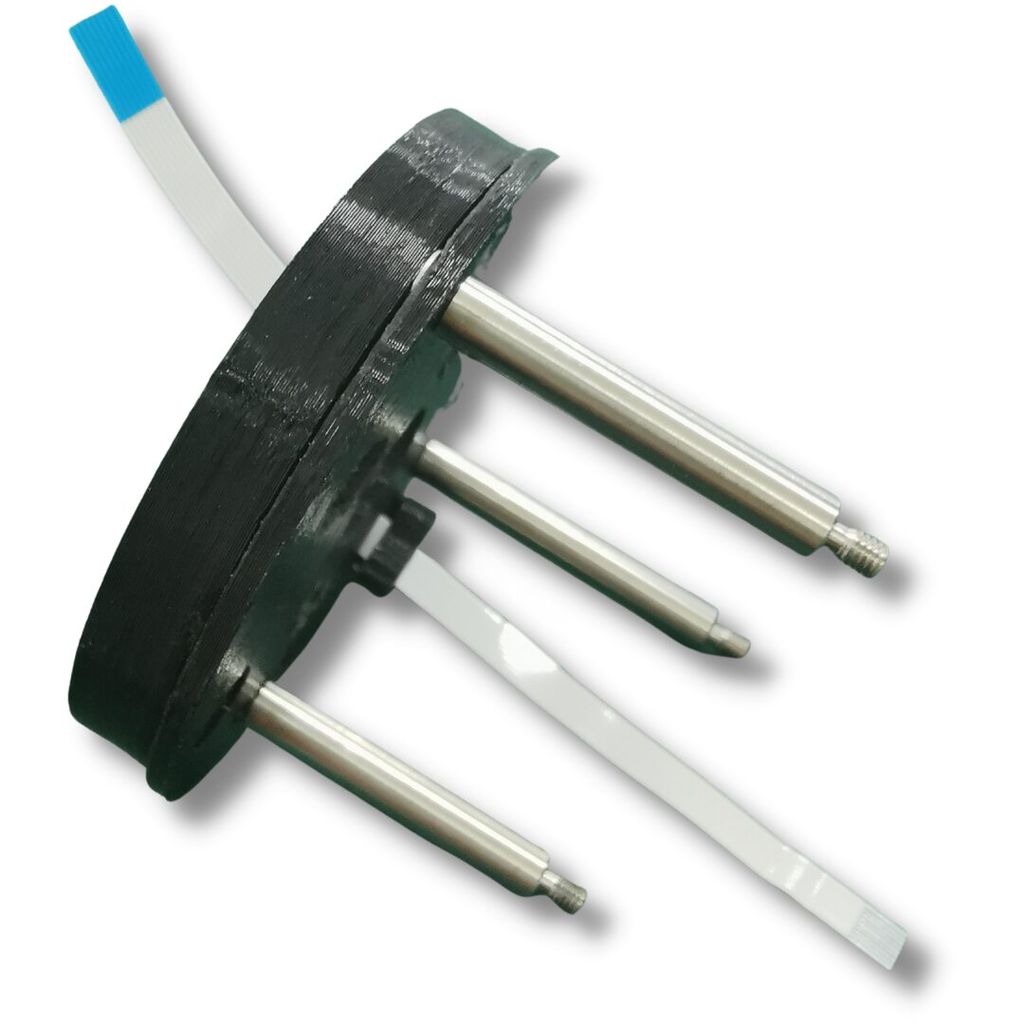
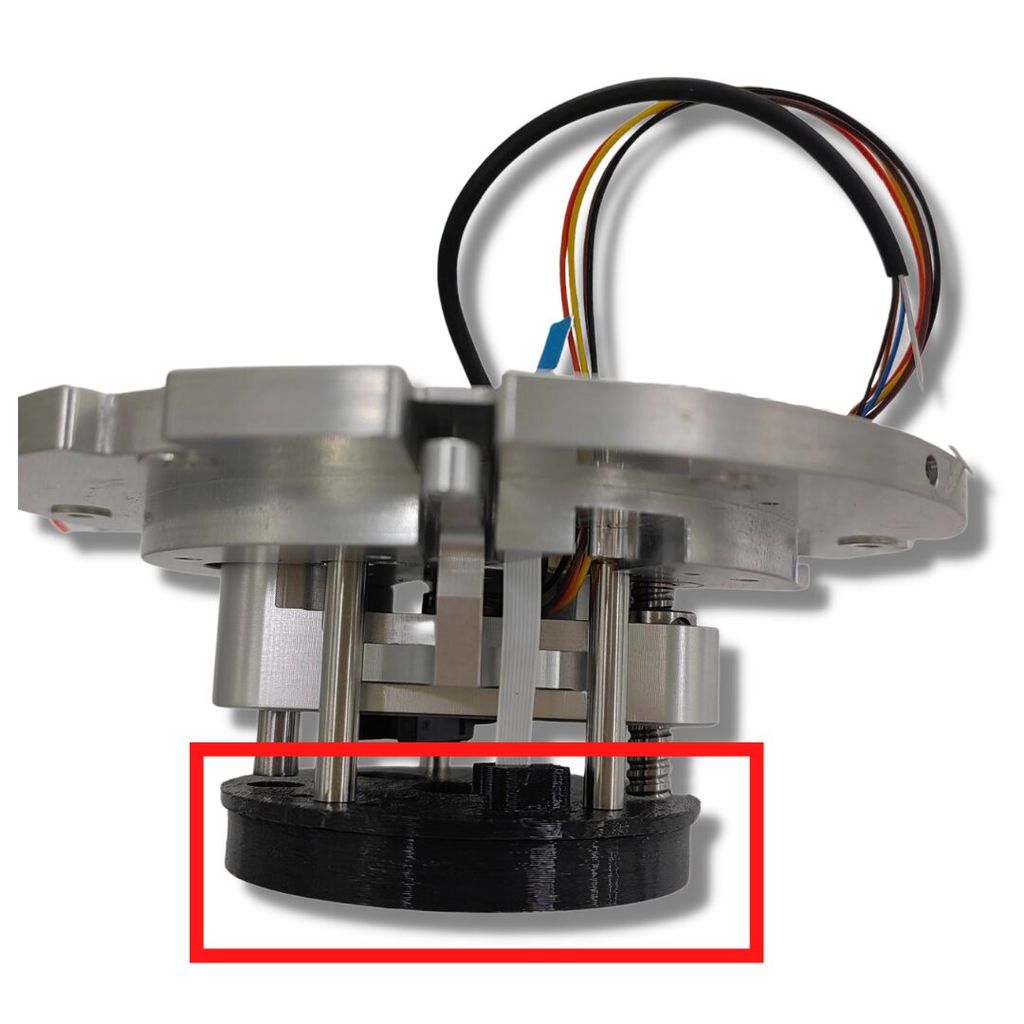
Considering that the FFC ribbon cable will experience continuous friction as it rotates with the rotary motor, the material choice for the connector must be wear-resistant while providing protective properties. In addition, the electronic components require ESD-safe characteristics. PolyMax™ PETG ESD from Polymaker becomes the ideal choice for the material used in producing these parts.
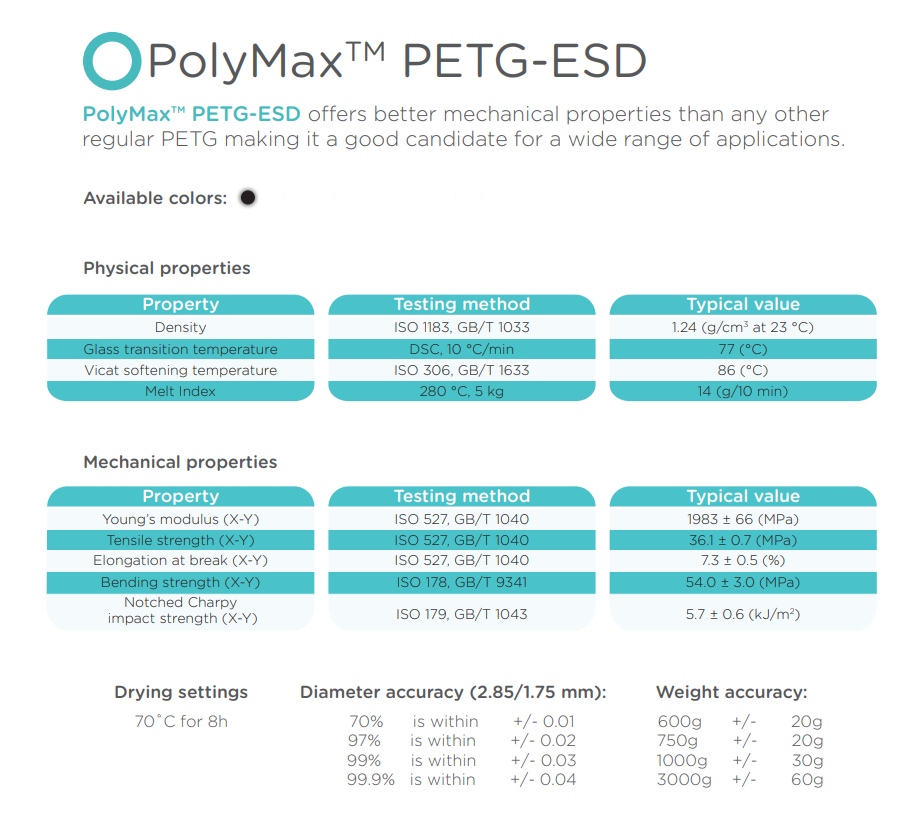
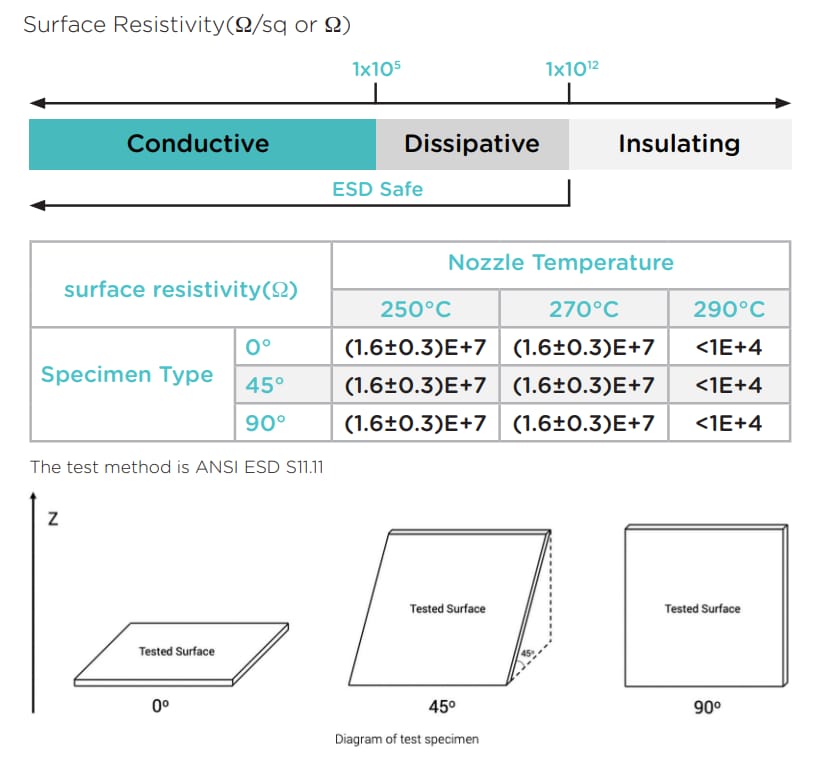
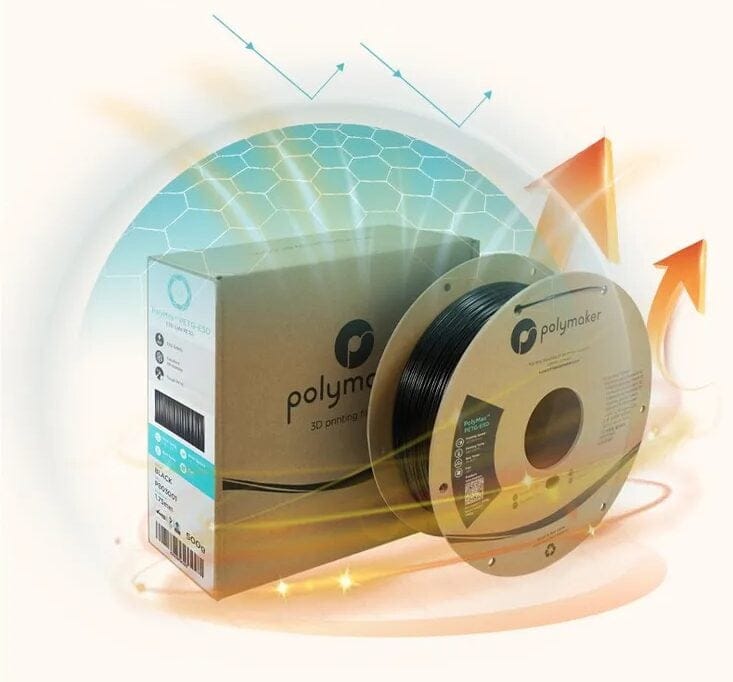
PolyMax™ PETG ESD not only offers higher strength, impact resistance, and temperature resistance compared to PLA but is also easy to print. Its ESD-safe properties make it suitable for a wide range of applications in the electronics industry, including tooling fixtures, functional prototype design, and electrical enclosure manufacturing.
Through the collaboration between Polymaker and Amesos, the customized production reduced the costs by 85% compared to aluminum machining, and the printed parts were delivered and installed within three days. This signifies that additive manufacturing:
- Enables small-batch customization, reducing production lead times by months and significantly lowering indirect costs.
- Breaks design limitations imposed by traditional processes, allowing customized parts and complex designs to be produced in a more cost-effective and efficient manner.
- Helps customers respond to market demands more quickly without the need for excessive equipment costs or expensive tooling investments, enabling operational diversification.
- Facilitates digital production, overcoming supply chain disruptions and eliminating unnecessary inventory.
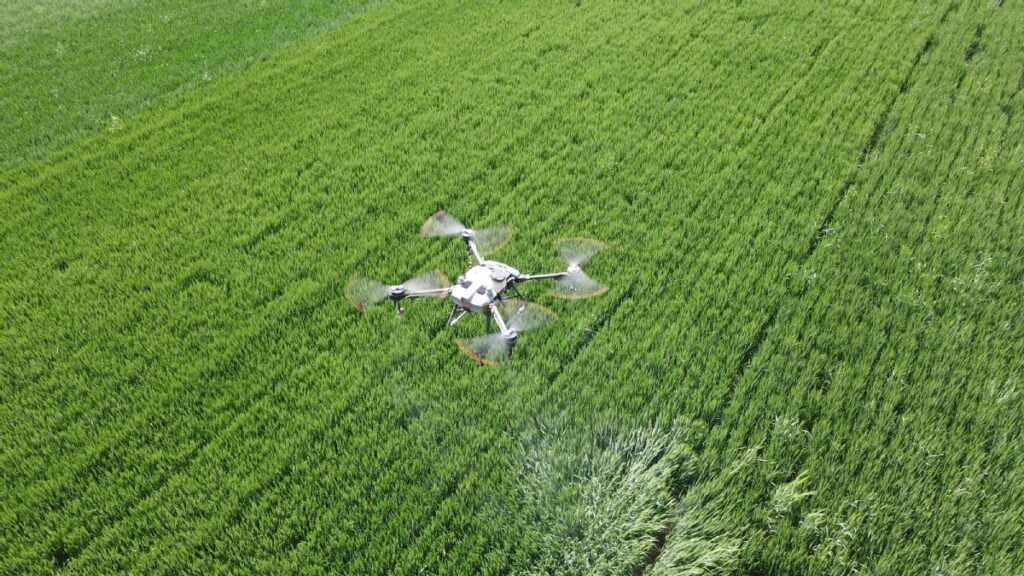
With the increasing level of mechanization, agricultural drones are being used for various agricultural operations, such as large-scale crop spraying. There are several types of agricultural drones available on the market including 4 types: flight control system, power system, spraying system, and frame structure. The spraying system is the main application module of 3D printing technology in this field, including the pesticide tank, water pump, nozzles, and related sensors.
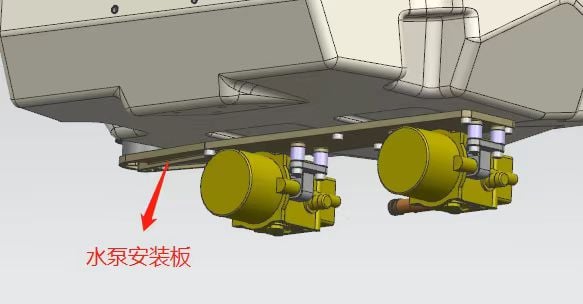
The pesticide tank of an agricultural drone stores the liquid for spraying, and during operation, the liquid is pumped out by the water pump. However, the vibration of the water pump affects the flight control system of the drone. Common methods use CNC aluminum plate processing to fix the water pump, but they have unavoidable disadvantages such as complex processes, poor corrosion resistance, low design flexibility, and lack of lightweight advantages. These factors can somewhat impact the production efficiency, payload capacity, and endurance of the drone.
By utilizing 3D printing technology, rapid prototyping and validation can be achieved, effectively solving the aforementioned problems and enabling small-batch production. After consideration, the manufacturer decided to collaborate with Amesos and Polymaker to create an additive manufacturing solution.
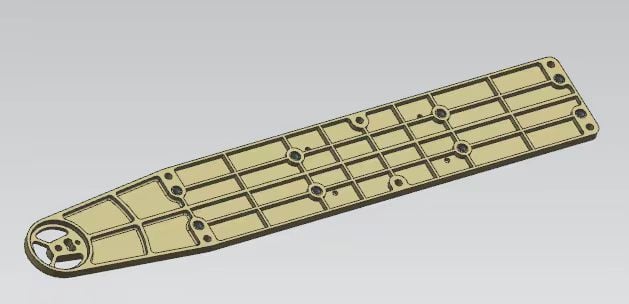
Amesos is primarily responsible for custom-designing water pump mounting plates that match the specific agricultural drone models to meet customer requirements. Within three days, four different versions were designed and tested, and the most suitable solution was selected and provided to the customer, successfully passing the installation tests. The next step was printing. The individual water pump on the mounting plate weighs around 400g, and the customer requires the installation of 2-3 water pumps. Therefore, the printed part needs to be made of a material that can withstand shocks and is not prone to breakage.
Polymaker is responsible for printing material selection. As a high-tech enterprise specializing in 3D printing materials, Polymaker began experimenting and comparing their diverse range of products as soon as they received the customer's requirements. Eventually, PolyMide™ PA612-CF material was chosen.
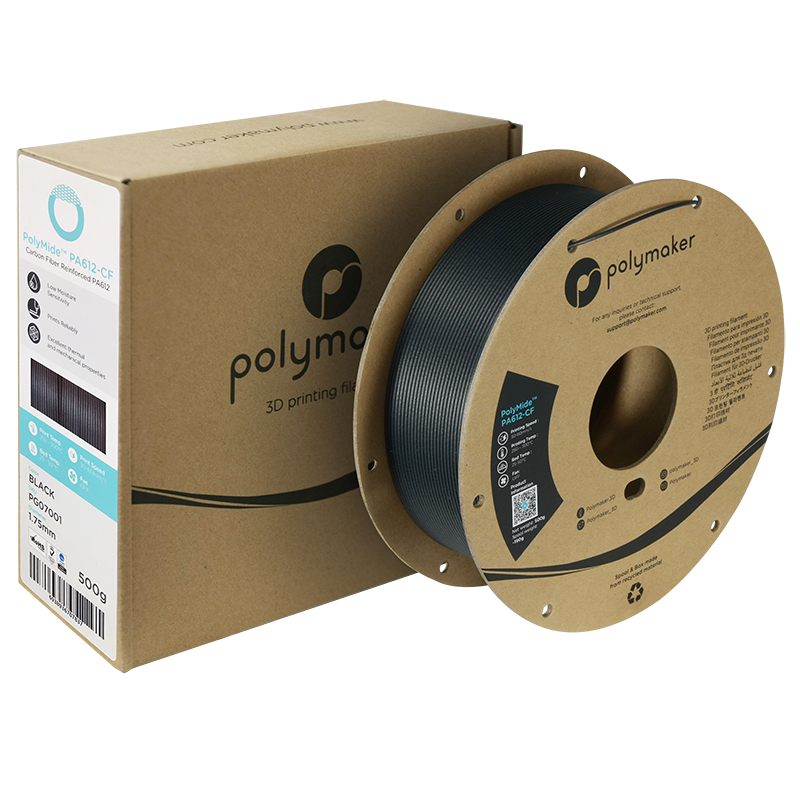
PolyMide™ PA612-CF is a carbon fiber-reinforced long-chain co-polyamide filament. Due to its chemical structure, this material has lower moisture sensitivity compared to PA6/66 and PA6-based materials, and better mechanical properties than PA12-based materials. Its advantages, such as high rigidity, toughness, and resistance to high temperatures, ensure that the water pump mounting plate printed with PolyMide™ PA612-CF is not affected by vibrations and maintains sufficient strength and stability. Additionally, its low water absorption allows for usage in humid environments, meeting the specific application requirements. Moreover, with the carbon fiber reinforcement and Warp-Free™ technology, products printed with PolyMide™ PA612-CF exhibit excellent dimensional stability, effectively prolonging the service life of the water pump mounting plate.
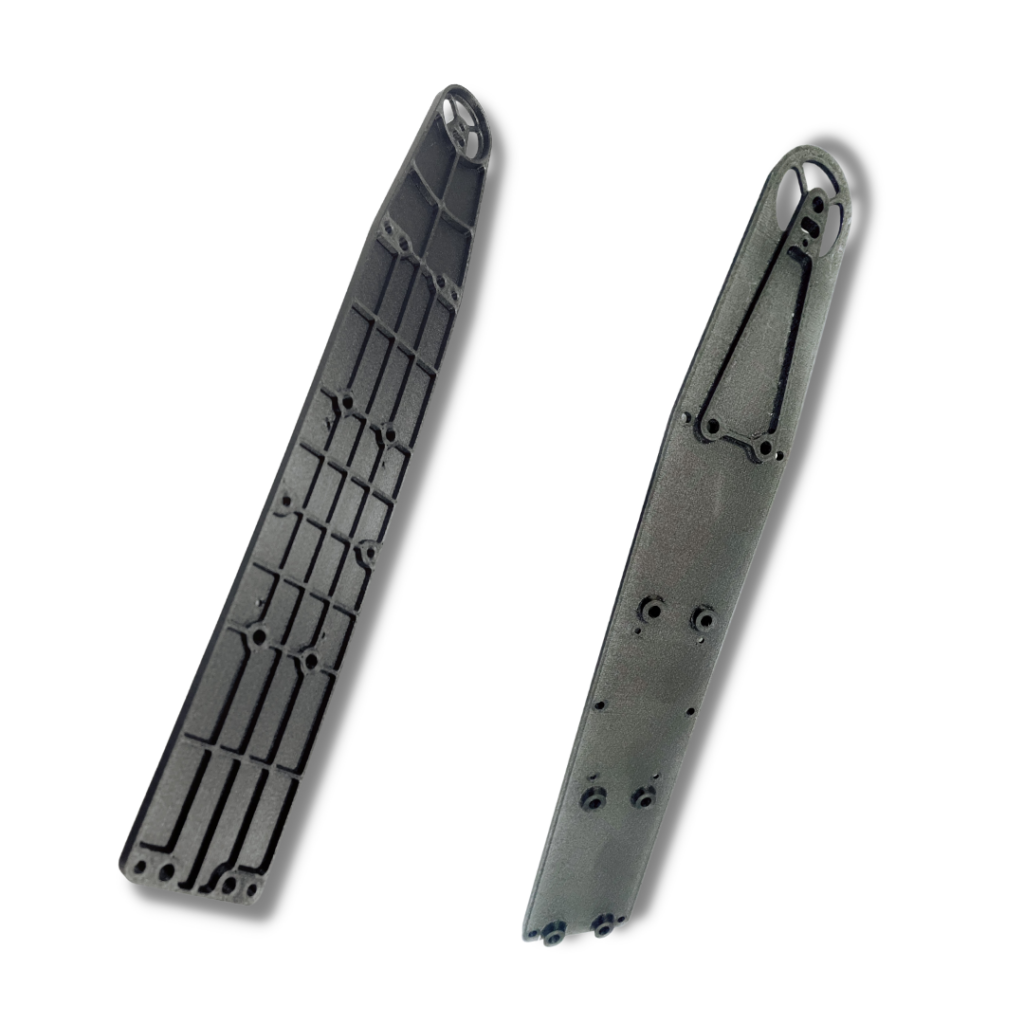
By employing 3D printing technology for the design and production of water pump mounting plates, the advantages of rapid prototyping, flexibility, and low cost are fully demonstrated. Manufacturers can quickly create prototypes, perform validation and necessary improvements, and immediately proceed with batch production and delivery. This process effectively shortens the product development cycle, enables the manufacturing of complex geometries and internal structures, and facilitates on-demand, high-efficiency production, greatly enhancing the economic benefits of production manufacturing.
Additive manufacturing technology is a rapidly evolving manufacturing technique that brings greater flexibility and efficiency to product design and production through digitization. It effectively compensates for the traditional machining processes such as turning, grinding, forging, stamping, and casting. As a result, the market shows high expectations for 3D printing technology.
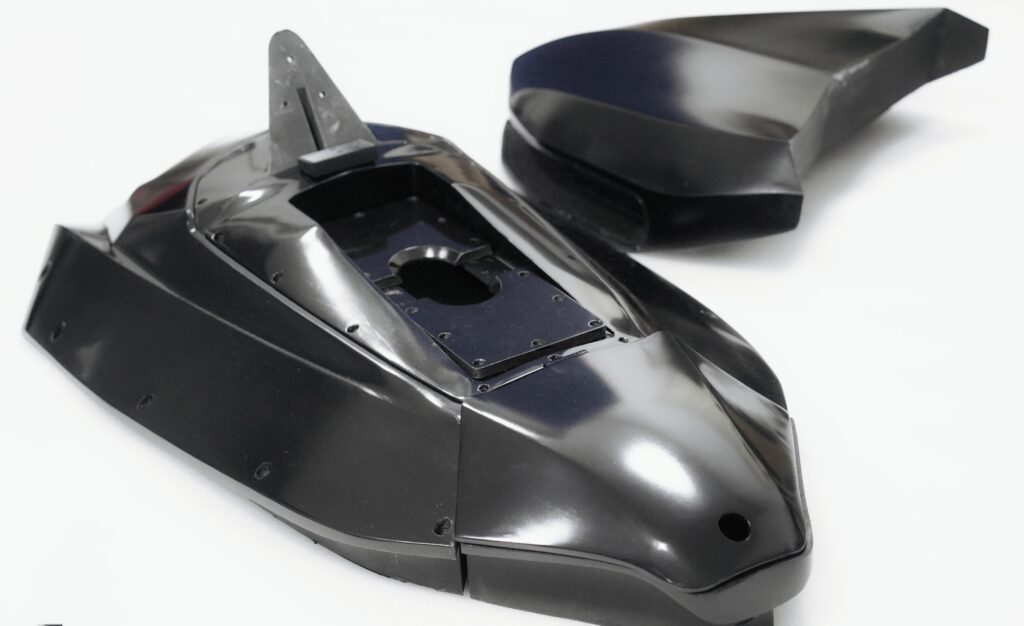
In the motorboat manufacturing industry, the advantages of 3D printing are evident, especially in terms of personalization and increased competitiveness. Polymaker decided to intensify its collaboration in this field. Meanwhile, A well-known motorboat manufacturer in the United States was adjusting their production methods and seeking a customized additive manufacturing solution. After combined efforts of research and comparison from Amesos and Polymaker, they ultimately selected PolyLite™ PETG as the printing material.
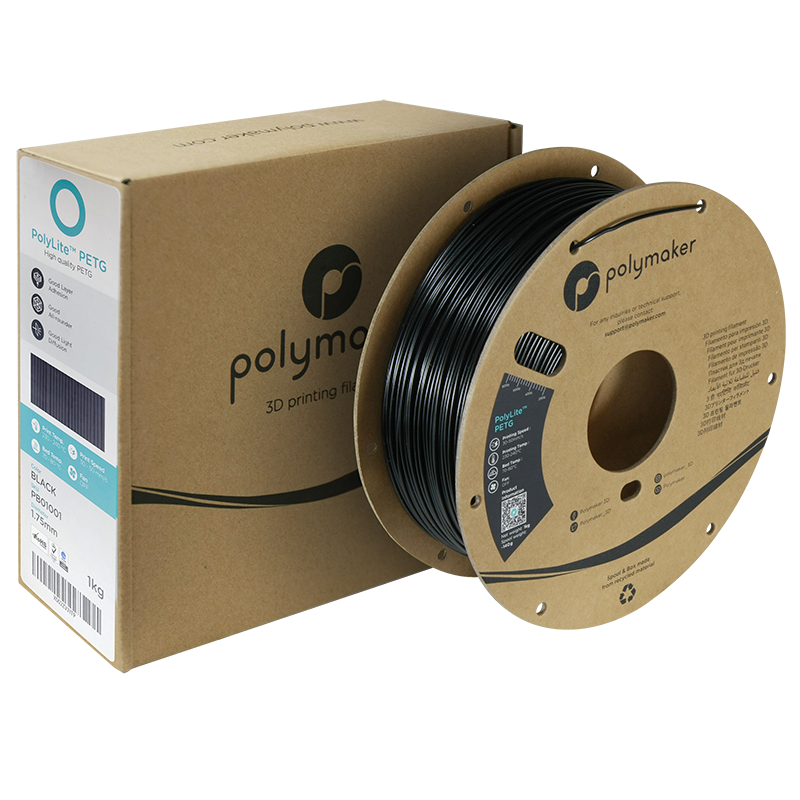
Compared to PLA, PETG has a higher heat deflection temperature and better overall mechanical properties. PETG also shows better dimensional stability compared to ABS. Overall, PolyLite™ PETG is a warp-free and cost-effective material. Its excellent impact strength, water resistance, and resistance to chemical corrosion make it the best choice for printing motorboat coverings. The total weight of this printing model, including the cockpit cover and front bumper of the motorboat, is approximately 15 kg.
During the printing process using PolyLite™ PETG, besides appropriate settings for nozzle temperature, bed temperature, and retraction, controlling the cooling fan is a critical factor that affects the print results. Due to PETG's crystalline characteristics, excessive cooling fan usage significantly reduces the interlayer adhesion of the printed parts, making them prone to breakage in the Z-direction and rendering them unsuitable for long-term use. On the other hand, completely disabling the cooling fan reduces surface smoothness and makes support removal more challenging. So selecting the appropriate fan speed has become a major challenge in this application. After several process tests and considering the structure of the motorboat components, the engineers settled on a fan speed of 20% to achieve a good balance between surface quality and layer adhesion.
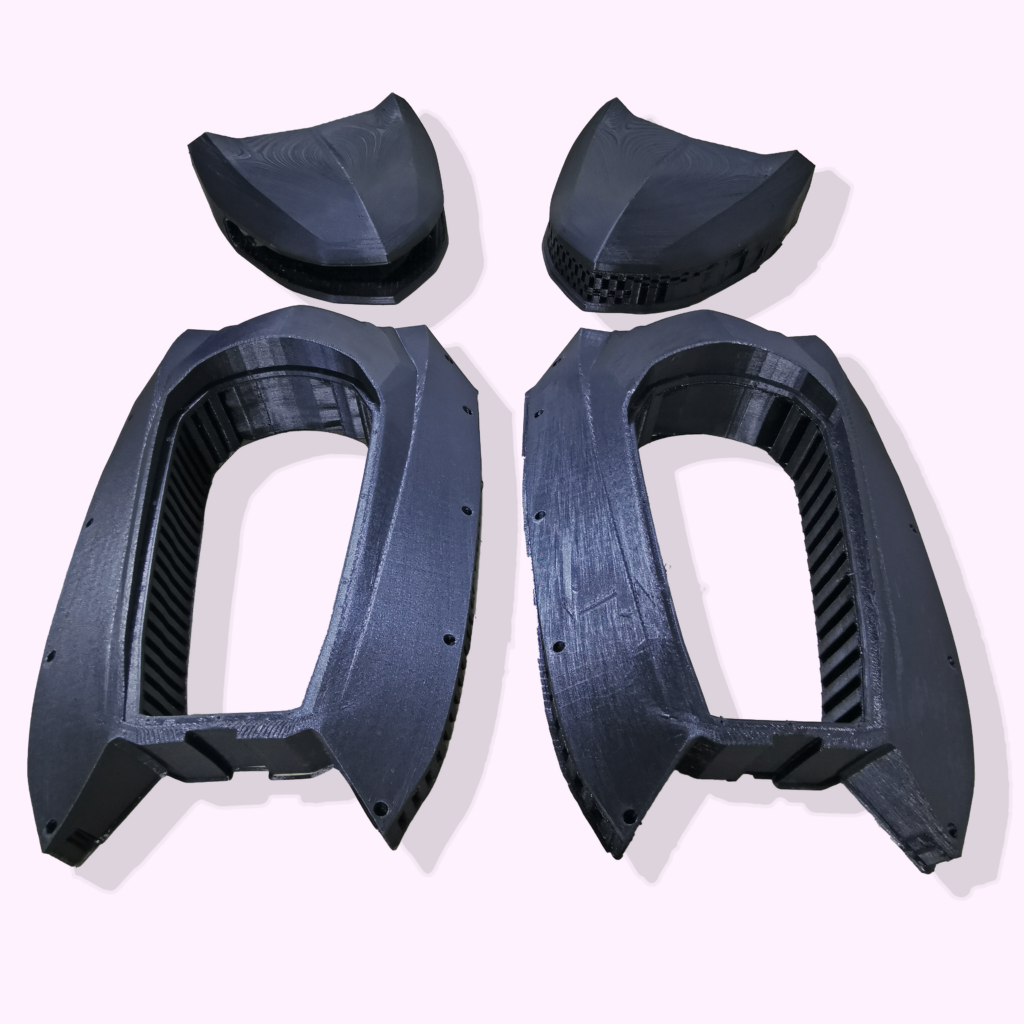
Thanks to the superior performance of PolyLite™ PETG and the stable and precise printer provided by Amesos, the engineering design of the motorboat's cockpit cover and front bumper was successfully completed. These parts were then used for small-batch continuous production, with a printing efficiency exceeding 163 cm3/hr (200 g/hr). This achievement not only represents a significant application success for Polymaker in the motorboat manufacturing industry, but also signifies the greater possibilities, increased freedom, and higher flexibility in driving innovation and experimentation.
Our long-term strategic partner and friend LulzBot has released the latest addition to their TAZ line of desktop 3D printers, the TAZ SideKick. This printer is available in two sizes and is designed to be highly configurable, so that customers can match their machine to their needs.
The LulzBot TAZ SideKick is now available in two build volumes and is the most affordable LulzBot to date. This highly configurable machine allows customers to build a personal desktop 3D printer comprised of all the features they want and need in their very own 3D printer.
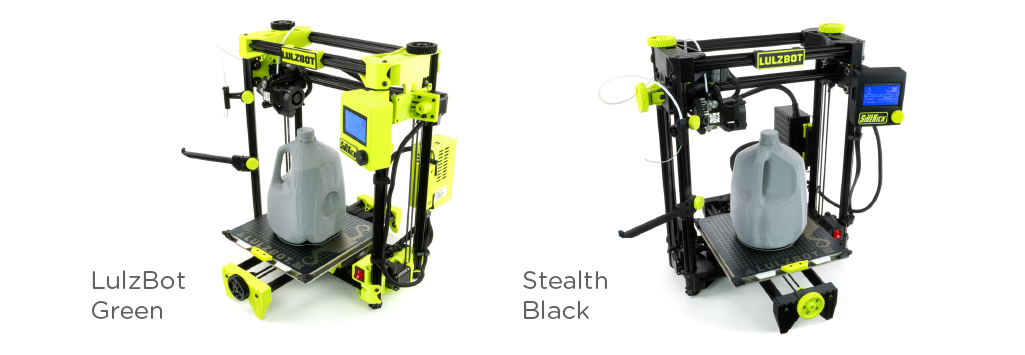
The TAZ SideKick is faster, simpler, and ready to print out of the box with free software. This new printer allows users to select machine color and build volume along with adding other options now or later like build surface, electronics, and any of the LulzBot Universal Mount System Tool Heads.
One of the greatest features of this 3D printer is the self-replicating story which brought us back to the very first RepRap project: over 50% of the 3D printer is 3D printed with PolyLite™ PETG, in the constantly expanding LulzBot printer farm located in Fargo, North Dakota.
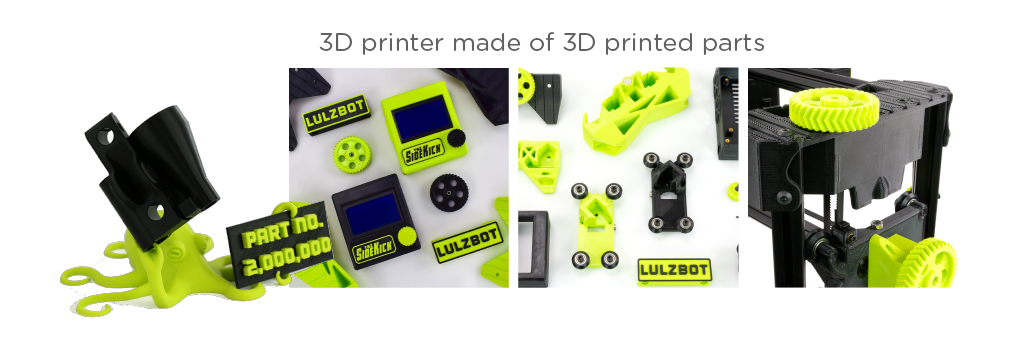
LulzBot is dedicated to open source, meaning users can easily and affordably replace any worn components by downloading the files from the LulzBot GitLab. In addition, all LulzBot 3D printers are built to last with quality components in Fargo, North Dakota, USA.
Learn more today at LulzBot.com
TAZ SideKick Ordering Information
The LulzBot TAZ SideKick is available for order immediately. To view the TAZ SideKick configurator, go to LulzBot.com/SideKick.
PolyLite™ PETG is an affordable PETG filament with balanced mechanical properties and ease of printing. PolyLite™ PETG is just as easy to print as our regular PLA (PolyLite™ PLA) while offering an additional 20˚C heat resistance and more durability. This lends PolyLite™ PETG to more functional applications where PLA would lack the durability or heat resistance such as lighting fixtures, vibrational parts or more functional product design prototypes which makes it a perfect choice to print TAZ SideKick functional parts.

PolyLite™ PETG is available for customers in 12 colors in 1kg spool, and 2 diameters (1.75 mm & 2.85 mm). PolyLite™ PETG can be purchased from
Our website: www.polymaker.com
Amazon: Polymaker PETG Filament
Resellers: Find your nearest reseller here
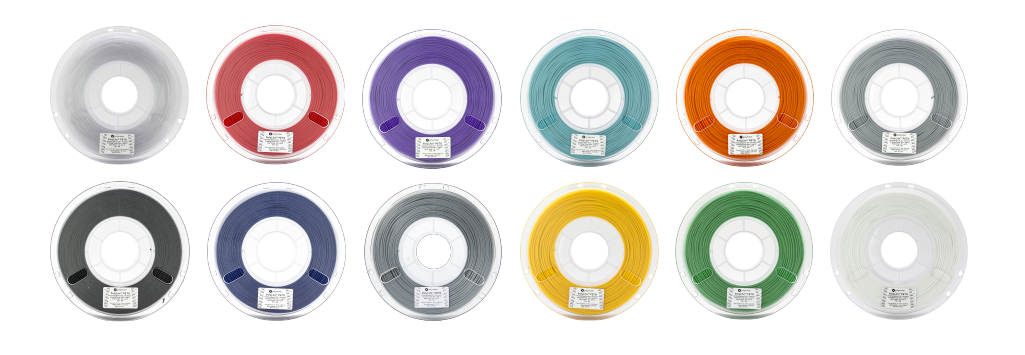

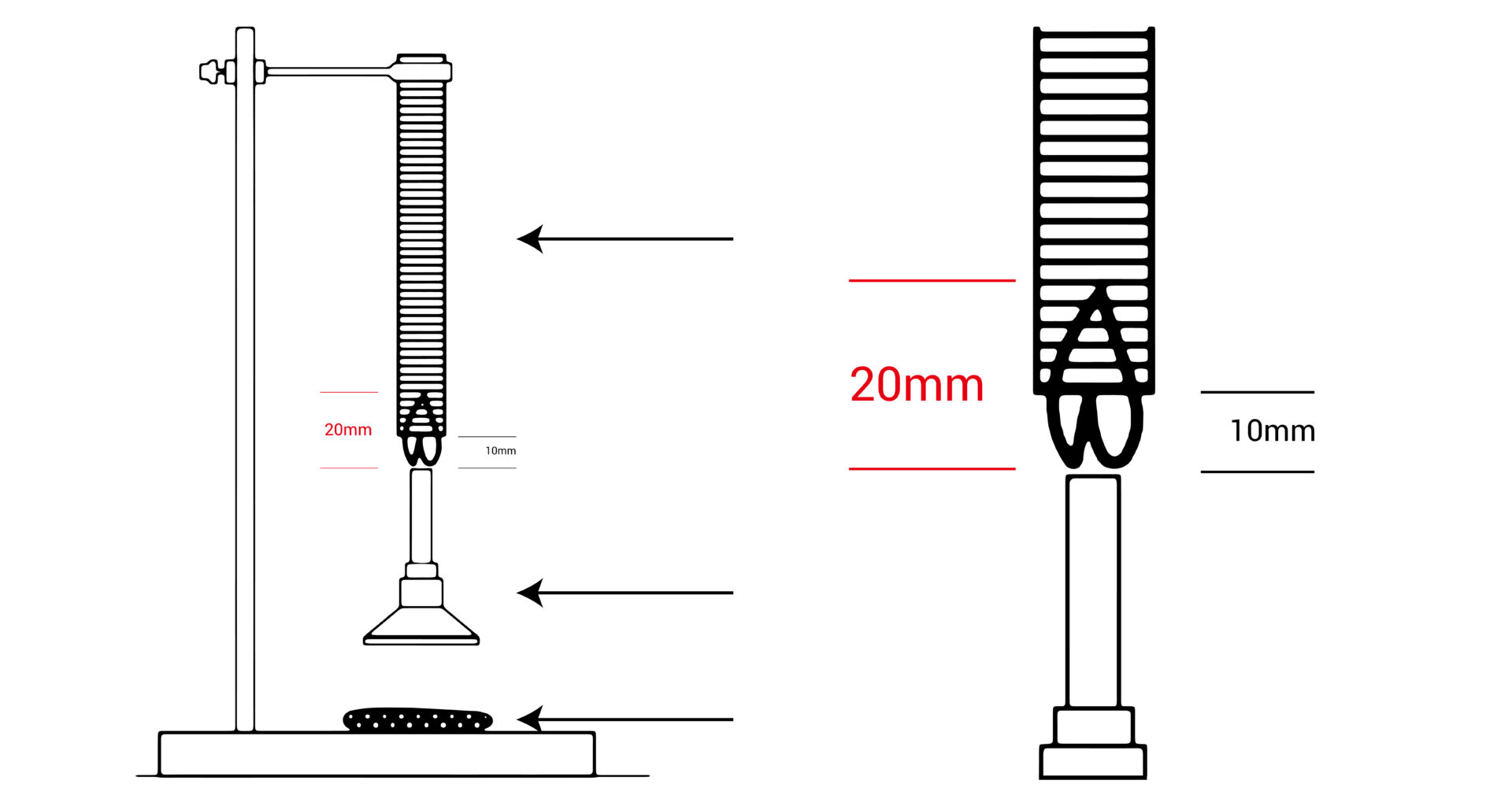
Polymaker recently worked with 3DQue Systems, a company that retrofits existing 3D printers for hands-free part removal and high-volume production. They are the first company who use PolyCast™ as support to print metal parts and automate this process with the Ultimaker S5.
Quinly automation system
3DQue’s automation system, Quinly, is a virtual printer operator, that can be installed on Raspberry PI and connected to 3D printers. When installed, Quinly can queue preloaded Gcodes, auto-level, execute part removal after a print job is completed, and start the next print job. 3DQue designed its VAAPRTM print bed that provides 500x adhesion when heated and allows easy release when cooled, without additional adhesives. Automated part removal is achieved using a gravity-assisted mechanism: Quinly incorporates a mechanical motion of the printer head/bed, to sweep off printed part, before starting the next print job. Quinly also provides real-time data, failure notification, and Livestream access to the print. By eliminating a significant portion of the manual tasks in a print job (filament still needs to be changed manually), Quinly reduces per part cost by 80%.
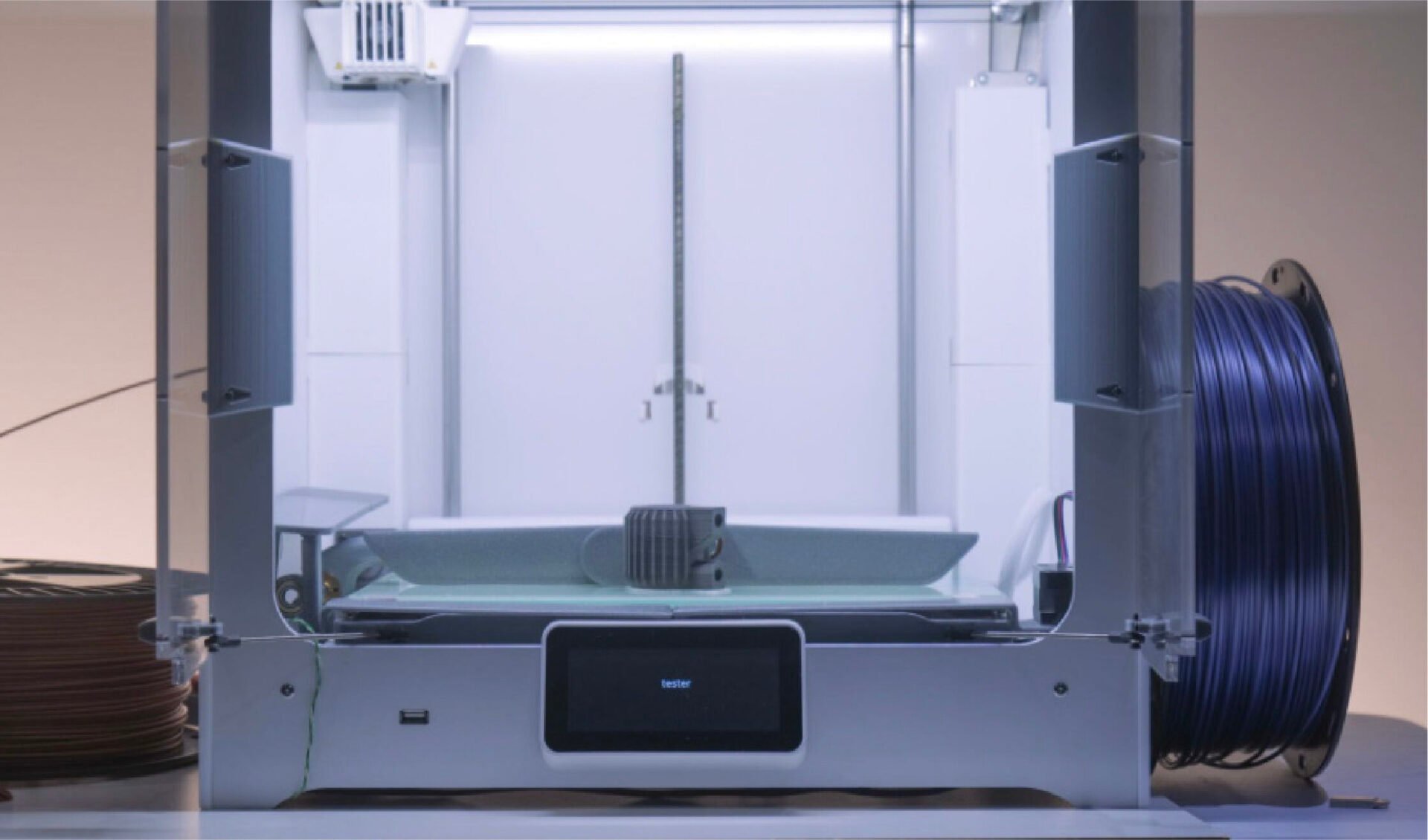
Fig (1) Quinly equipped Ultimaker
PolyCast™: Easily Removable
In this specific case, 3DQue automated metal 3D printing in a new and innovative way: Metal and PolyCast™ filament are extruded into build and support structures using a dual-head printer. PolyCast™ filament served as an effective raft material and was fully compatible with Quinly’s VAAPR™ surface. The printed rafts had excellent bed adhesion at 60°C and were fully released at 35°C. This allowed all parts to be autonomously removed from the printer via the wiper arm mechanism included in the Quinly for Ultimaker S5 automation system. The printer required only 10 minutes to cool and clear the print bed between print jobs.
Among a few other support materials 3DQue evaluated, PolyCast™ stood out for its performance in clean removal.
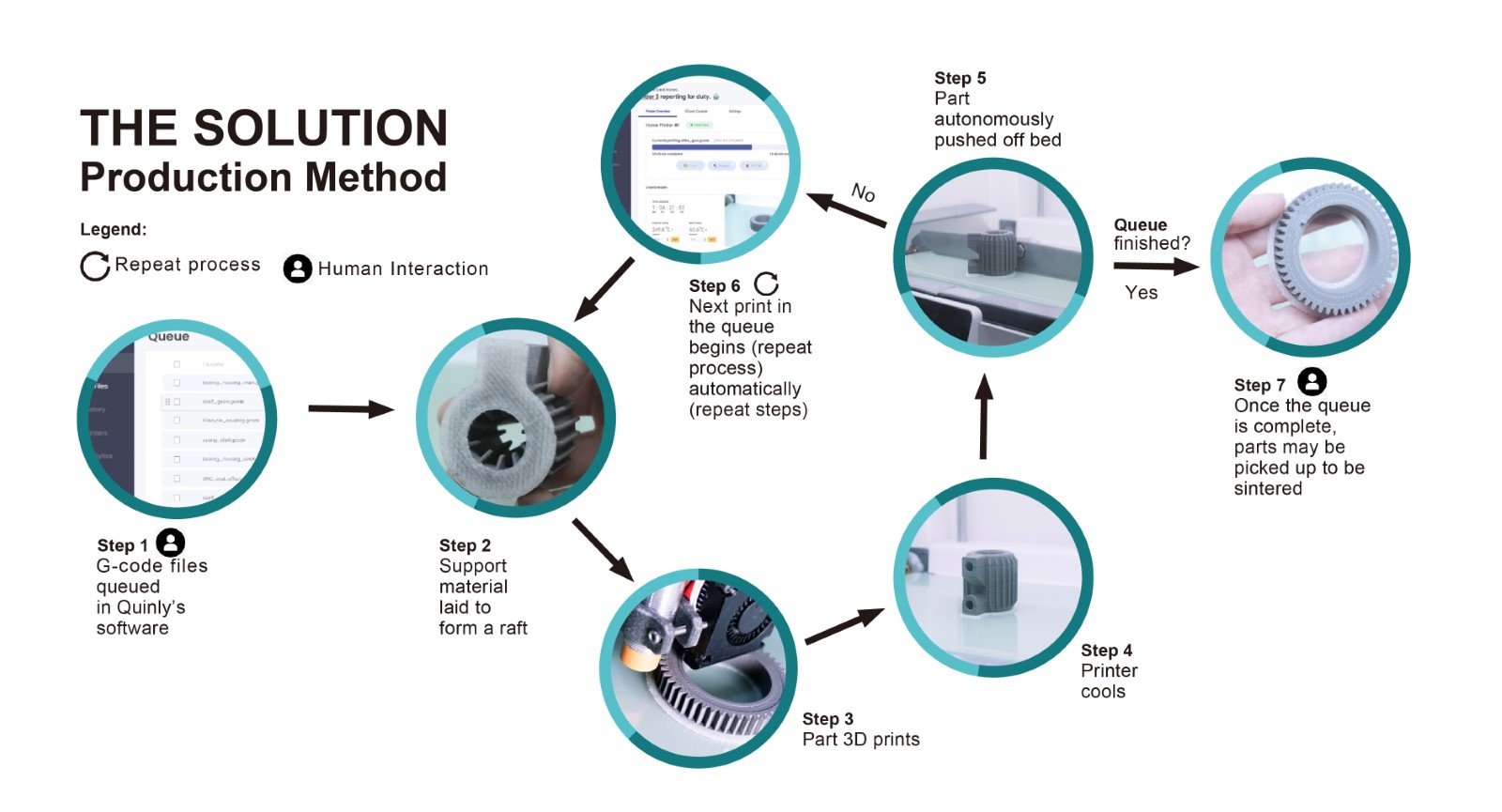
Fig (2) Flow chart for using Polycast™ as a support for metal prints before sintering
PolyCast™: Ash-Free
And then, printed parts were sintered with the rafts and supports in place. The PolyCast™ filament was burned away, leaving only 0.003% residue. Sintering without a raft was tested as well: the PolyCast™ rafts did not fuse with the metal filament and were easily removed by hand.
PolyCast™ is a PVB-based material designed for metal investment casting. It shares a similar formulation with the well-known PolySmooth™ and comes with ash-free technology that enables clean removal. PolyCast™ is also safe and easy to post-process. It is smoothable with IPA in Polysher™, or similar tools.
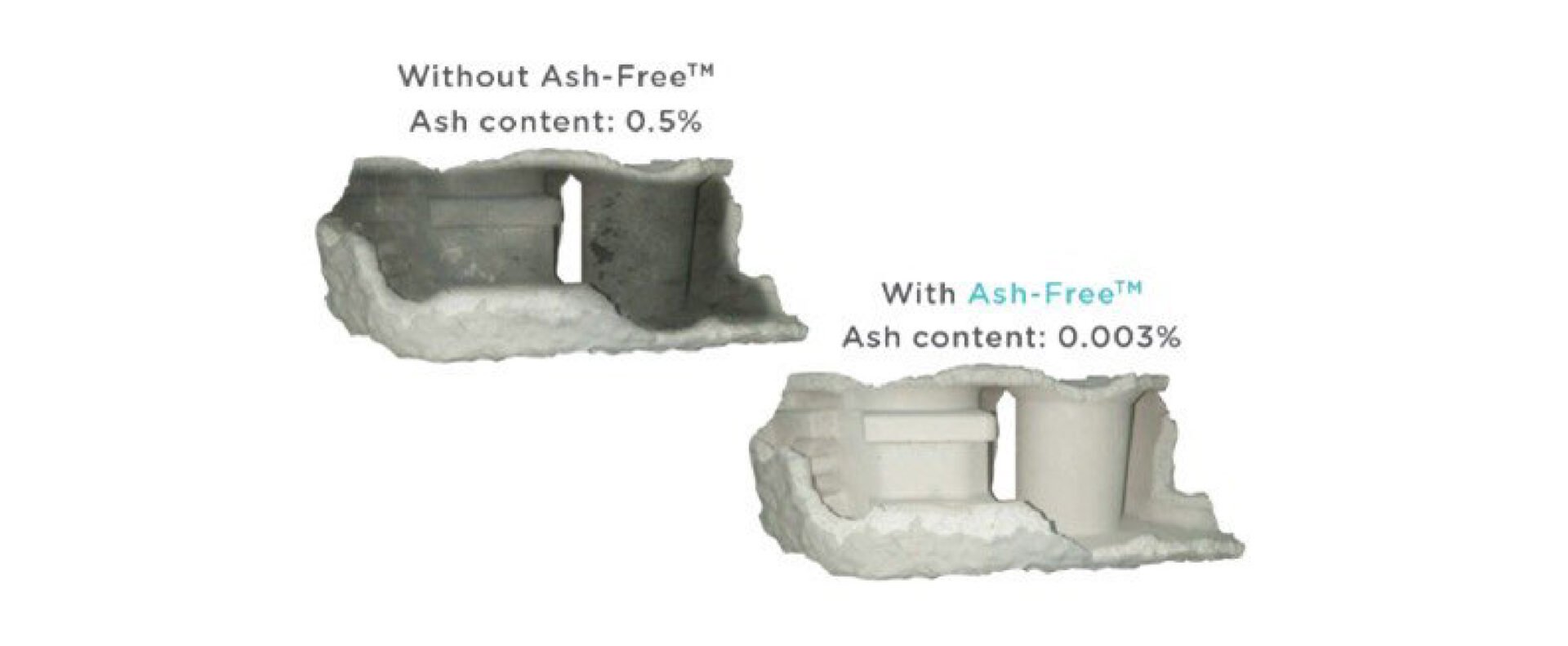
Fig (3) Ash content comparison between with Ash-Free and without Ash-Free
PolyCast™ rafts make Quinly fitted Ultimaker printers compatible with many metal filaments on the market. The raft easily slides off the bed once cooled, making metal filament bed adhesion issues a thing of the past.
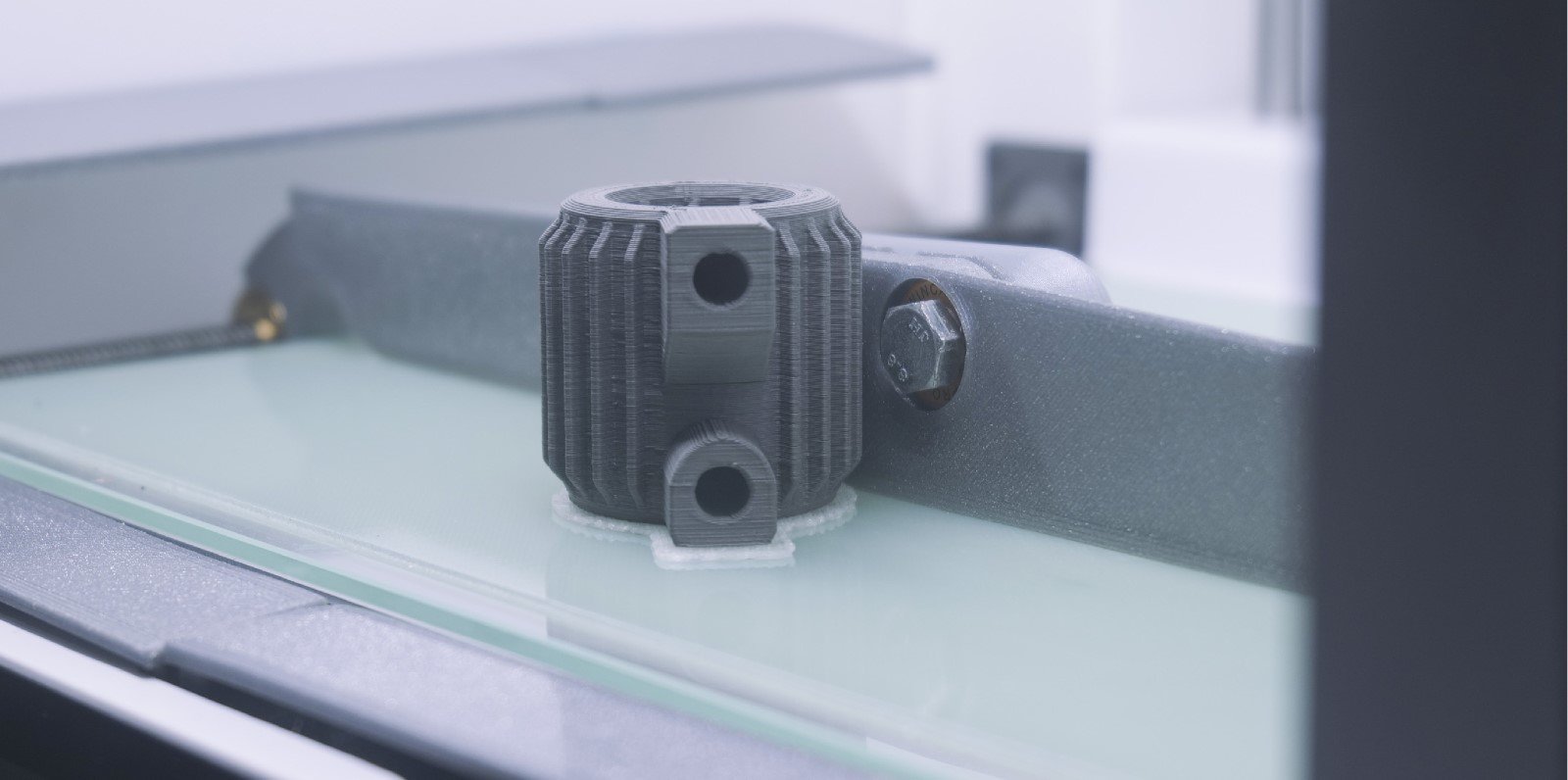
Demonstrated by 3Qque, PolyCast opens a potential avenue to mainstream manufacturing processes of metal parts. Beyond investment casting, in which PolyCast has gained significant attention, this case study brings an inspiring application of PolyCast. Due to the clean burnout nature of PolyCast, complex geometry in metal part fabrication is made possible by printing the PolyCast filament as support to the metal filament.
What’s more? Automation of the printing and part harvesting, enabled by systems such as Quinly, could make high-volume complex metal part production feasible and economically competitive.
Wisconsin Precision Casting Corporation (WPCC) is one of the leading investment casting companies that are using Ultimaker printers in combination with Polymaker filaments. WPCC has been using 3D printing for over 30 plus years. The use of printed patterns for prototype investment castings has become recognized by the industry but is yet used for massive production.PolyCast™, due to its dimension stability, print consistency, ability to polish, and low-ash feature, allowed them to streamline the investment casting process and significantly cut cost. Prior to usingPolyCast™, WPCC used several different methods including other forms of 3D printing, and wax injection to create customized patterns. They turned to Polycast in 2019 along with collaborating with Ultimaker printers.
PolyCast™ is a PVB-based material designed for metal investment casting. It shares a similar formulation with the well-known PolySmooth™ and comes with ash-free technology that enables clean burnout. PolyCast™ leaves an ash residue less than 0.003% after the burnout process operated at 600°C. PolyCast™ is also safe and easy to post-process. It is smoothable with IPA in PolySher™ or similar tools.
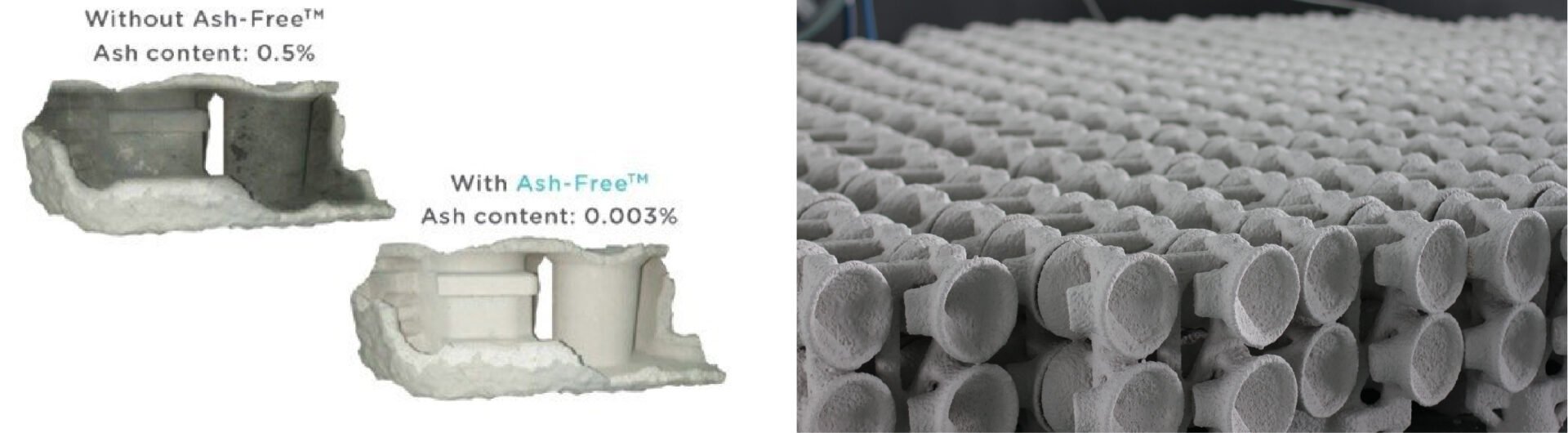
Figure(1) Comparison of ash content between with and without Ash-Free™
PolyCast™ is formulated to maintain excellent printability. By simply replacing the wax molding with PolyCast™ 3D printing, one could perform the rest of the investment casting process seamlessly. The nature of 3D printing, however, enables customization and iteration and significantly cuts down both the cost and lead time by eliminating the tooling process. The overall process of investment casting enabled by PolyCast™ is similar to the original process.
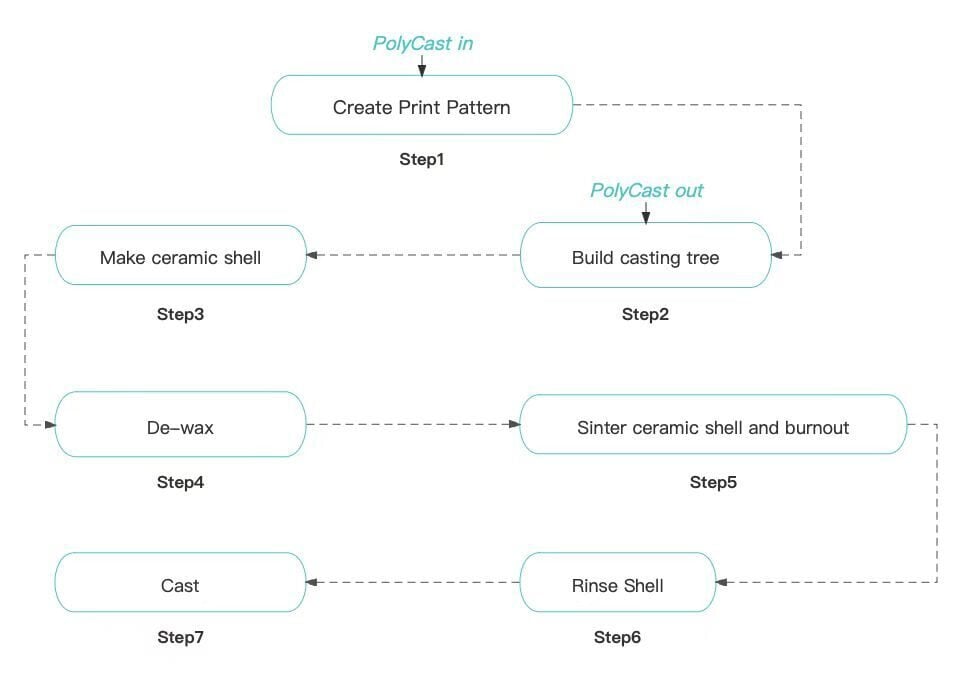
Figure(2) Flow chart of PolyCast™ in industrial investment casting
For example, WPCC found that it cost only $0.696 per cubic inch if PolyCast™ is used. It is less than one-third of the cost of the other pattern fabrication methods. During the testing process, they found that PolyCast™ -enabled process,
- Creates precise castings
- Is less expensive to print than purchased printed patterns
- Is faster to cast than purchased printed patterns
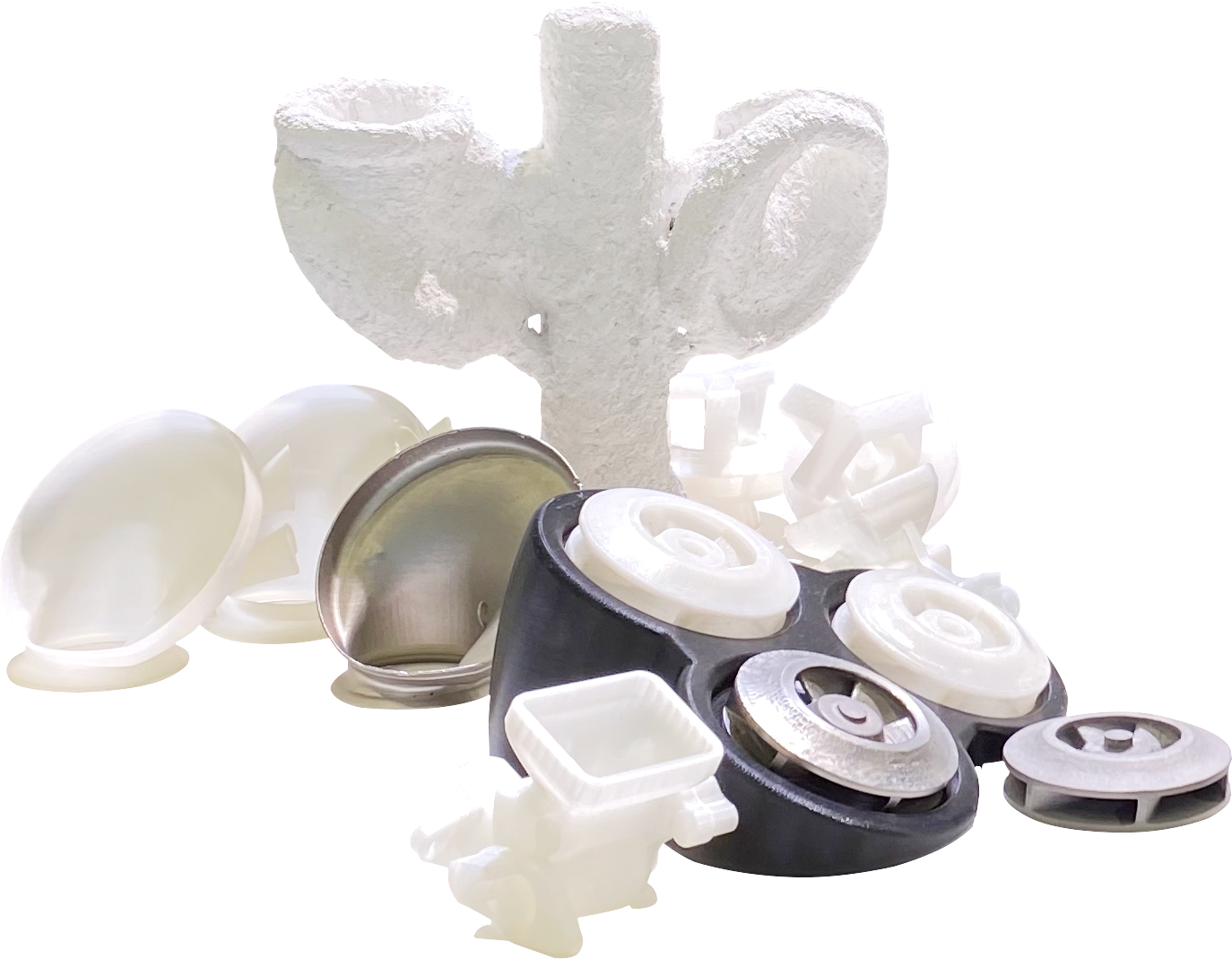
Figure(3) printing and casting parts from WPCC
Wisconsin Precision has used printed patterns for many years to create a prototype and low volume production castings. It is a key element of WPCC’s business strategy to provide rapid prototype investment castings for R&D projects and to acquire new customers.
The TJU Racing Team(Tongji University Racing Team) successfully announced their new racing car model, the TR21, at the 2021 New Car Model Public Announcement on October 12, 2021, in the 101 Lecture Hall of Jiren Building, Jiading Campus.
Polymaker participated in the event as one of the sponsors, and Cui Yue, a professional racer in the Porsche Carrera Cup Asia, was invited to drive the TR21.
Picture 1 | Polymaker Attended the 2021 New Car Model Public Announcement of TJU Racing Team
The TR21 is the 14th racing car independently designed and manufactured by the TJU Racing Team. The new model achieves significant innovations over previous models, oftentimes by using Polymaker’s 3D printing materials.
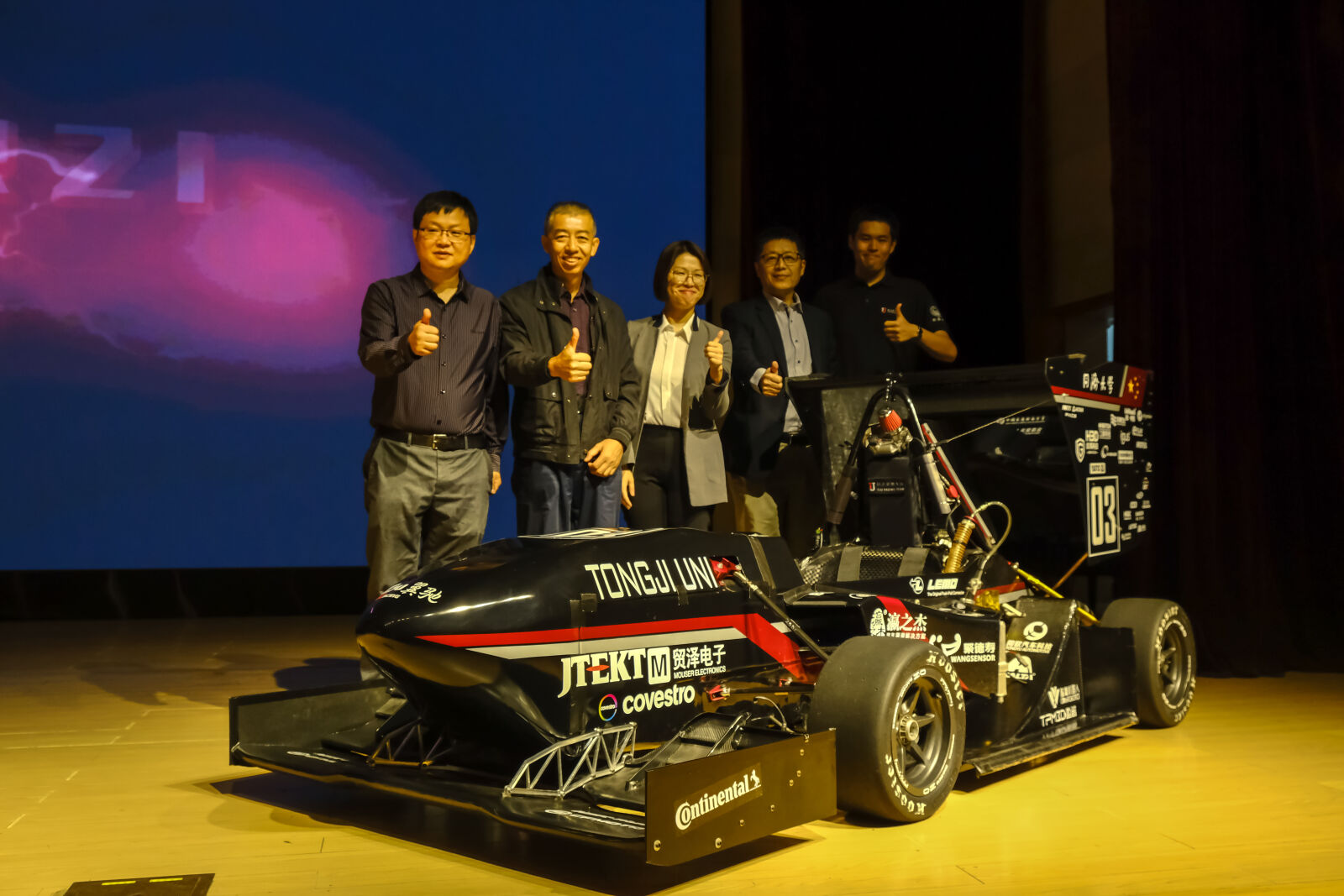
Picture 2 | Picture Stripes of TR21 Public Announcement
Strong Power Core
With the Triumph 675 3-cylinder engine as its power core, the TR21 uses a dry lubrication system, dual-cycle cooling system, and a more stable fuel supply system. The model is also equipped with a pure titanium exhaust muffler and hollow titanium alloy half-axles to reduce weight more efficiently. Having the power core and newly developed variable intake system work together heightens the performance of each part even further.
New Body Structure
The TR21 adopts the body structure of a full monocoque, replacing the former structure of a mono-frame. The carbon fiber layer, aluminum honeycomb panels, and PMI foam are used to provide higher strength and torsional stiffness while also keeping the body lightweight to ensure ideal weight distribution. Key parts of the body, like monocoque inserts and aerodynamic wing ribs, use PolyMide™ CoPA from Polymaker as the base material to give the parts structural stiffness.
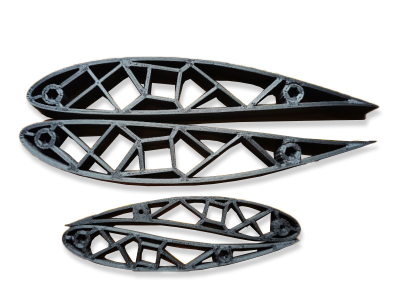 Picture 3 | 3D-printed Front Wing Rib using PolyMide™ CoPA
The PolyMide™ product series are 3D printing filaments developed from Nylon. By adopting Polymaker’s patented Warp-Free™ technology, PolyMide™ products not only have the same engineering performance as typical Nylon materials but are also easy to print with a minimum size limit. PolyMide™ CoPA was developed from a copolymer of Nylon-6 and Nylon-6,6, a material with balanced mechanical strength and toughness. Along with the good printability, this material gives dimensional stability with its temperature resistance up to 180˚C, making PolyMide™ CoPA an ideal material for parts like gears, engine mounts, pipe connectors, and high-speed airflow pipes that are used in harsh environments.
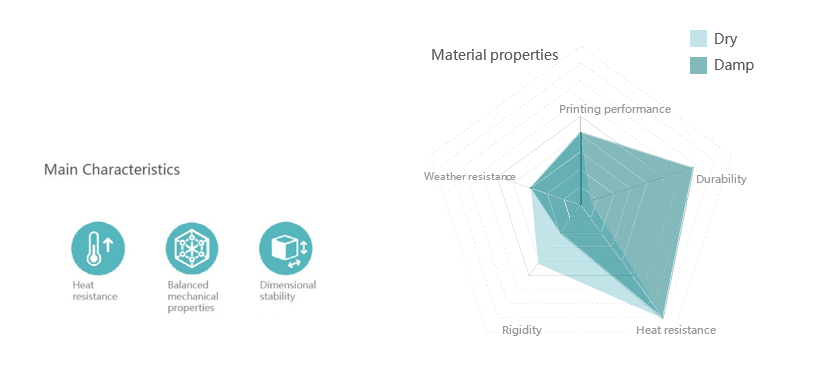
Picture 4 | Main Characteristics and Material Properties of PolyMide™ CoPA
Innovative Aerodynamic Devices Design
The upgraded body and aerodynamic devices of the TR21 are some of its biggest highlights. Aerodynamics, which dominates the car’s design, has always been the ultimate goal for the TJU Racing Team. After observing systematic design processes and multiphysics simulations, the new aerodynamic devices is able to reach a down force of up to 1075N at the speed of 20m/s, improving the car’s external flow and aerodynamic sensitivity while significantly enhancing its curve speed. The flow deflector in the aerodynamic devices was 3D printed using Polymaker’s PolyMax™ PC material. Not only did the 3D printing material increase the car’s aerodynamic performance, but it also greatly reduced the cost and hours required to produce the flow deflector, with the only sacrifice being structural weight.
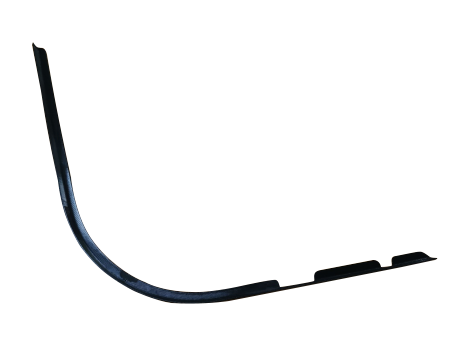
Picture 5 | 3D-printed Tail Deflector Using Polymaker PolyMax™ PC
The PolyMax™ product series are advanced 3D printing filaments produced by Polymaker’s patented Nano-Reinforcement technology, all of which have excellent mechanical properties and printing quality. PolyMax™ PC is a high-performance, polycarbonate-based filament boasting strength, toughness, heat resistance, and printing quality, lending itself to engineering applications, specifically when higher resistance for impact and vibration is needed, like in fixtures and fixing tools, furniture, small motor mounts, UAV, 3D printer parts, etc.
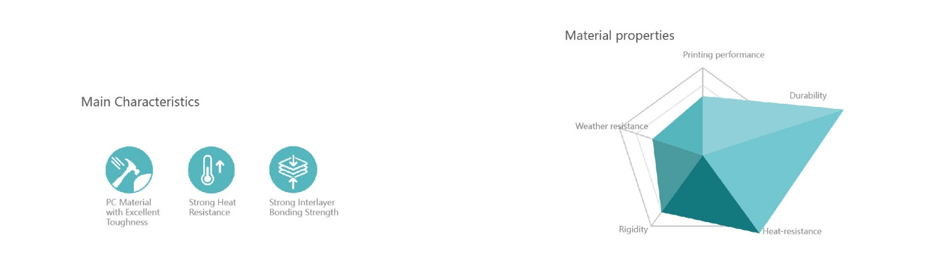
Picture 6 | Main Characteristics and Material Properties of PolyMax™ PC
Polymaker’s Polysmooth™ has also been used to print the front flap variable section, wing, and suspension lug cover for the TR21. Using alcohol-polishing in the materials’ post-processing allows the external flow of the whole vehicle to be optimized.
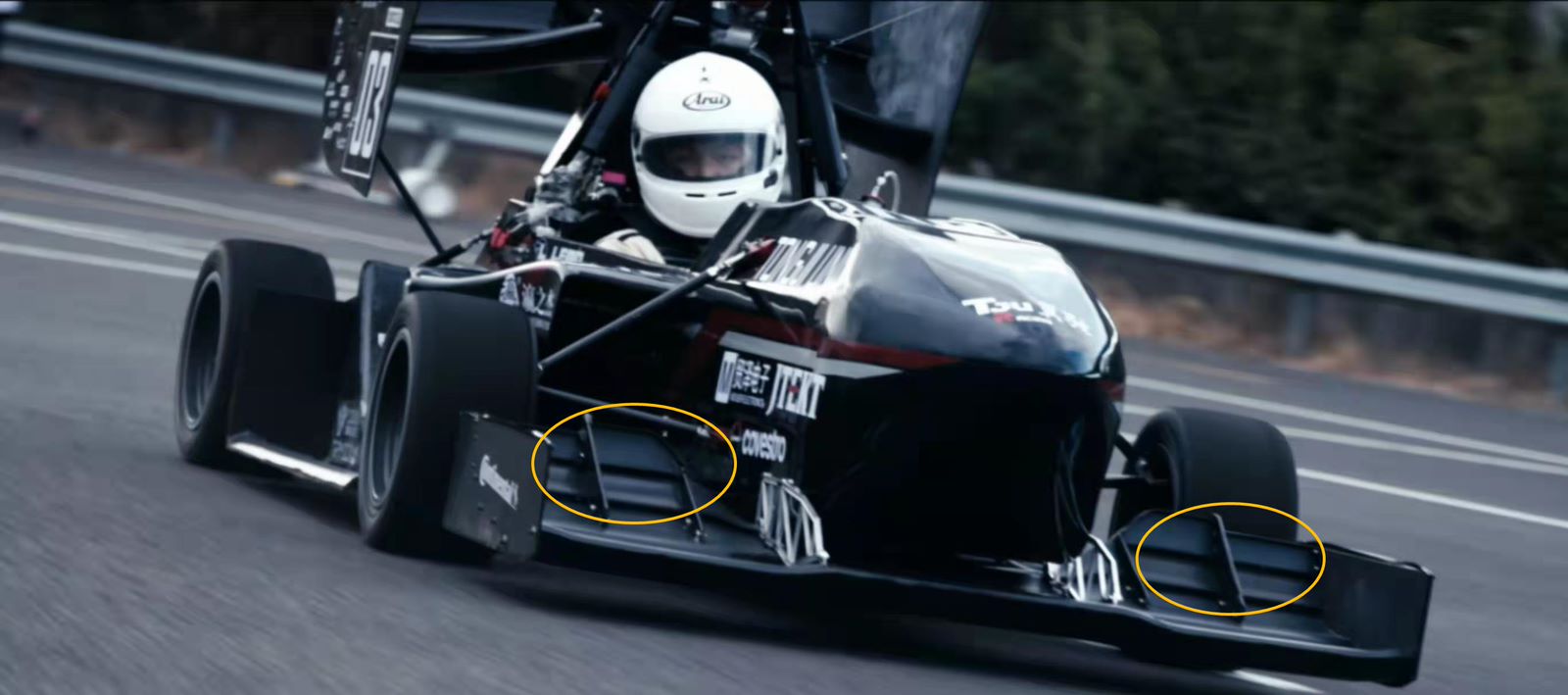
Picture 7 | 3D-printed Front Flap Using Polymaker’s PolySmooth™
PolySmooth™ is a unique and easy-to-print filament, specially designed for "freeing both hands" in post-processing. After printing with this material, Polysher™ is then applied to create a smooth surface. PolySmooth™ helps models that are difficult to polish be post-processed into a smooth surface, like statuettes or role-playing props, making PolySmooth™ optimal for product design and prototype creation as it produces a result similar to injection molding.
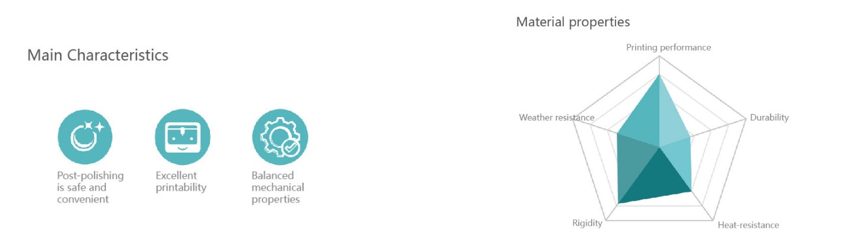
Picture 8 | Main Characteristics and Material Properties of PolySmooth ™
Brand New Chassis System
After a detailed analysis of tire characteristics, the original tires were replaced with Hoosier 16” high-performance racing slick tires. To match this tire, a new chassis system was designed for the TR21, equipped with a brake-by-wire stabilizing system to improve the vehicle’s dynamic performance.
Upgraded Electronic Control System
The TR21 continues to develop its electronic control system, using professional MoTeC ECU to have accurate control of the electronic throttle, pneumatic shift, and variable intake manifold while supporting wireless data acquisition. Also, the new steering wheel controller integrates radio communication, clutch-by-wire, brake-by-wire stability, ejection start control, traction control, and adjustment functions for various strategies, allowing drivers to enjoy its unlimited potential.
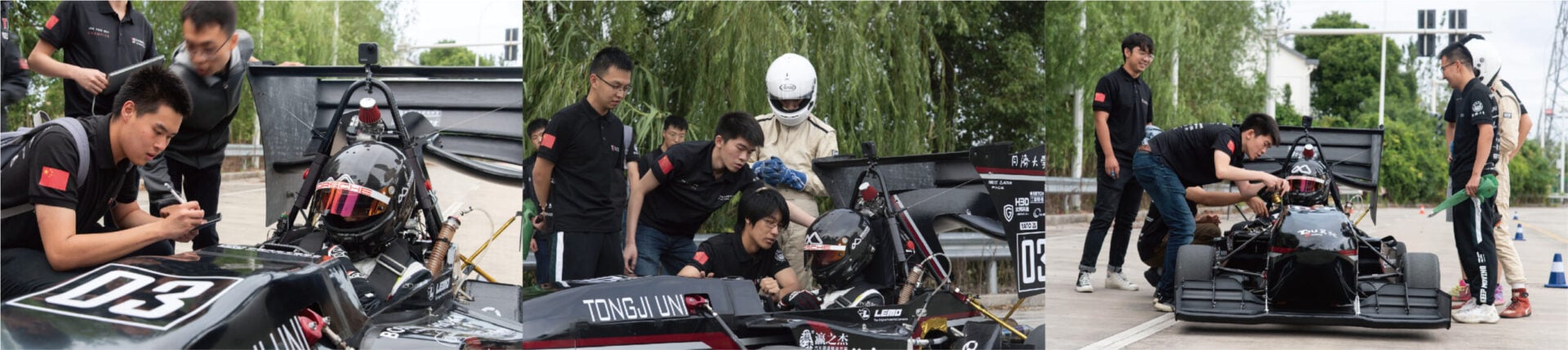
Picture 9 | TR21 Public Announcement Picture Groups
At this event, the TJU Racing Team announced their driverless vehicle plan for the first time, and they hope to see driverless technologies used in the next generation of TJU racing cars when they compete in the University Formula Race.
Polymaker has been actively involved in developing applications of 3D printing technology in the automotive and racing industry. Applying 3D printing materials allows for reduced costs, shortened production cycles, personalized customization, and lightweight parts to a certain extent. The diversity of Polymaker’s filaments also makes crafting different racing car parts more feasible, pushing the application of industrial-grade filament to be even more common. Polymaker's industrial-grade products include reinforced materials based on nylon mixed with carbon fibers and glass fibers, which improves their thermal properties and stiffness for interlayer bonding strength. There are also PC high fire-retardant materials and polymer alloy materials, both of which have high heat resistance and toughness.
We hope that 3D printing technology will be used widely when manufacturing and producing cars and racing cars in the near future.
Polymaker unveiled the "Liuyun Bridge", a 3D printed polymer bridge built jointly by Shanghai Construction Group Co., Ltd., Polymaker, and Shanghai Kuying Technology Co., Ltd., in Yimahe Park, Longquanyi District, Chengdu in 2021. Inspired by the free-flowing shape of the stagecoach and dancing silk, “Liuyun Bridge” achieves bold innovations in landscape design using new technology and materials unlike ever before while managing to overcome many obstacles in the 3D printing process. Polymaker was largely responsible for the conception and completion of this project, providing the materials and spearheading the exploration of landscape bridge design.
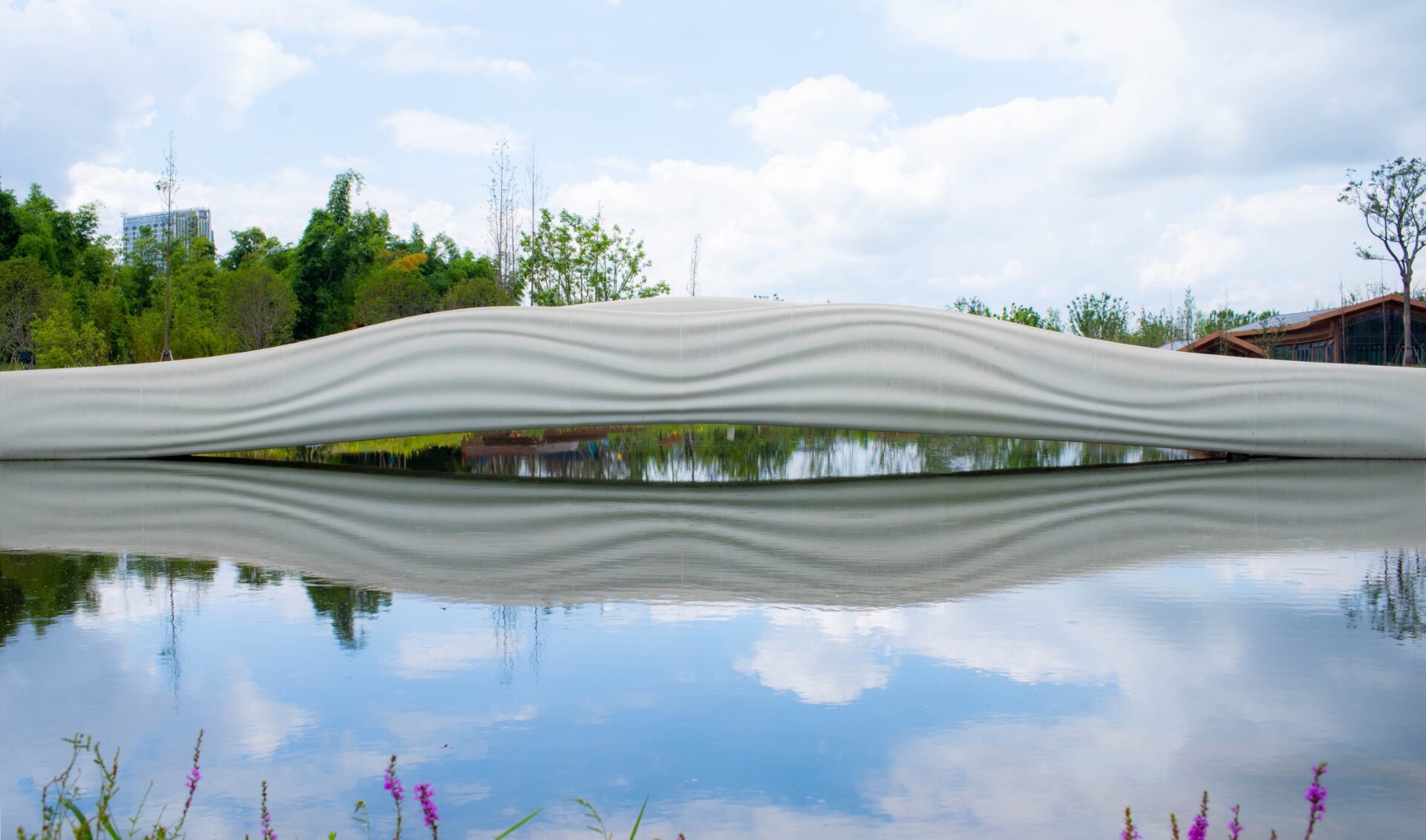
The printing process of "Liuyun Bridge"
Innovating on the printing process, the “Liuyun Bridge” takes advantage of Polymaker’s materials and creatively employs new technology to complete its construction not only quicker, but also with higher quality. The bridge manages to shorten its construction period using the Kuying Tech’s 5-Axis Milling and Additive Manufacturing Integrated Machine (BGAM), which allows for uninterrupted 3D printing to continuously occur at all hours of the day without any manual interaction, finishing the printing of “Liuyun Bridge’s” main components in only thirty-five days.
Polymaker guarantees the bridge’s stability and safety for years to come with their polymer pellets PolyCore™ ASA-3012, a material with excellent anti-aging. Another new method used to improve the printing process, closed-loop printing ensures there are minimal deformations by monitoring the temperature of the material during the printing process. The “Liuyun Bridge” consumes several tons of materials to finally complete its construction by printing segmented components to be assembled on site. Heavily dependent on Polymaker and their materials, “Liuyun Bridge” is a one-of-a-kind landscape bridge that only found its success through Polymaker.
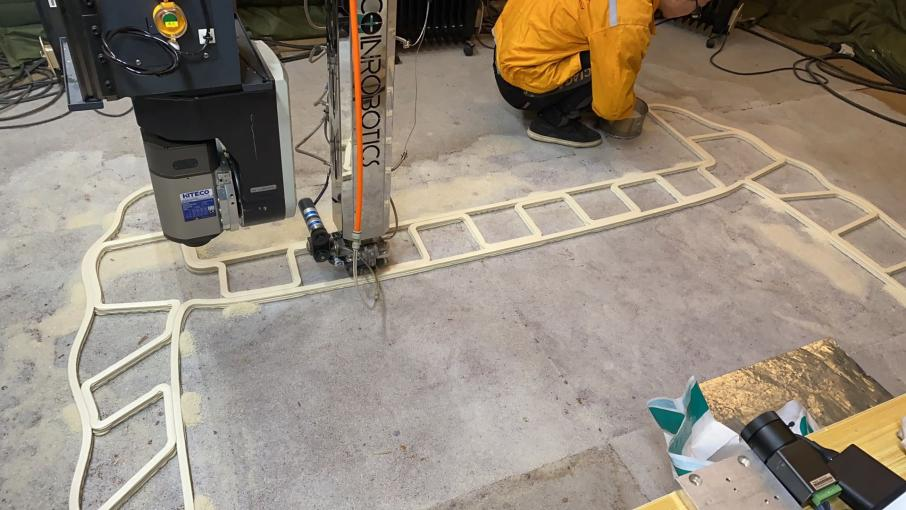
A tremendous feat for 3D printing like the “Liuyun Bridge” never could have been accomplished without the collaboration between Shanghai Construction Group Co., Ltd., Polymaker, and Shanghai Kuying Co., Ltd. The actual design for the bridge was a product from both Shanghai Construction Group Co., Ltd. and Polymaker while Shanghai Kuying Co., Ltd. was responsible for the technology that let the material reach its fullest potential, crafting the bridge’s components with few errors and in an extremely short amount of time. However, Polymaker’s PolyCore™ ASA-3012 laid the foundation for this incredible achievement in 3D printing as the material made the design feasible in reality and continues to support its everyday use.
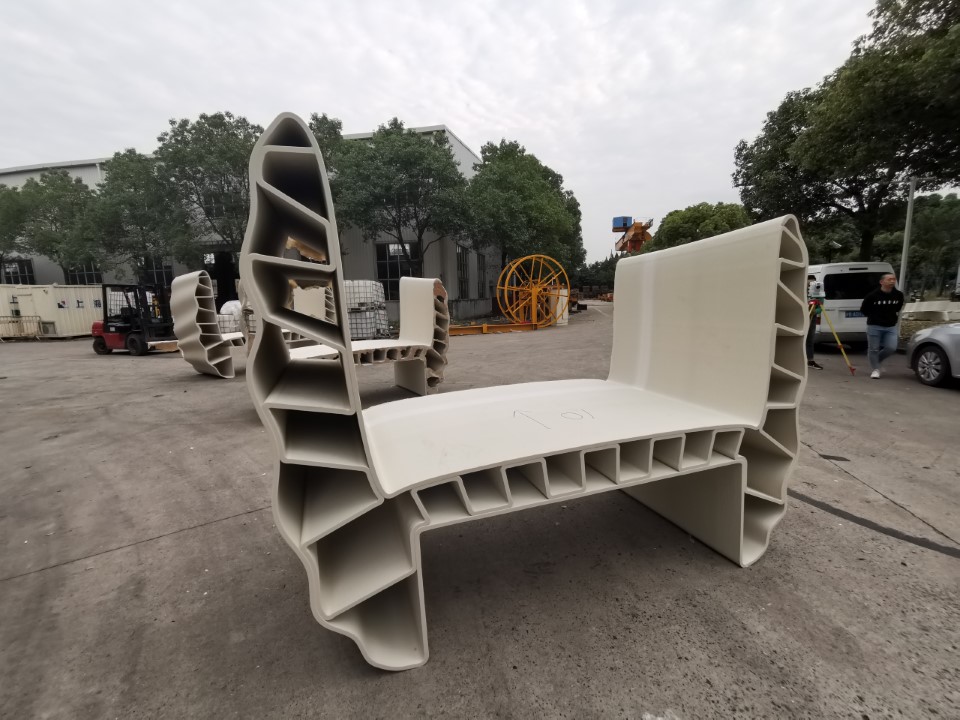
Materials used for “Liuyun Bridge”
The “Liuyun Bridge” used many new methods specific to Polymaker’s material to expand on the bridge’s performance. As the optimal material for the bridge, PolyCore™ ASA-3012 has mechanical properties suited for outdoor use and works specifically for large 3D prints, enhancing their dimensional stability and interlayer adhesion. Currently, most additive manufacturing technologies result in residual stress and warpage when using the fused deposition molding process. However, “Liuyun Bridge” incorporates a multi-factor analysis method, controlling ambient temperature and the three-stage melting of materials with different parameters like temperature, glass transition temperature, and single-layer printing time, to prevent any warping or deformations caused by rapid cooling.
During the printing process, heating the workspace before and after printing strengthens the layer-by-layer adhesion of the 3D printed materials, further reducing any possible problems with the printed components. Allowing the design of “Liuyun Bridge” to be fully realized, the high-precision five-axis CNC processing system of Kuying’s BGAM removes the typical margin of error reserved for printing deformations and heightens the accuracy of segmented printing components. With Polymaker’s PolyCore™ ASA-3012 being so advantageous, it solves many previous printing issues while still bolstering “Liuyun Bridge’s” stability and structure.
“Liuyun Bridge” is not the first bridge to use 3D printing technology though. Polymaker has worked in the construction of a few other 3D printed bridges, both at home and abroad, to realize new breakthroughs and accomplishments on each of their projects.
Polymaker’s 3D printed bridges in China
Shanghai Taopu Central Park Bridge
In 2019, China’s first composite landscape bridge was constructed in Shanghai Taopu Central Park by Shanghai Construction Group Co., Ltd., Polymaker, and Shanghai Kuying Technology Co., Ltd. As the first composite landscape bridge with one-time molding and a multi-dimensional curved surface, the Taopu Central Park Bridge breaks through the shackles of traditional bridge design and frees the landscape bridge to be more flexible and diverse in space. Like with “Liuyun Bridge”, the Taopu Central Park Bridge owes its conception and dynamic shape to Polymaker and their materials.
The printing process of this 3D printed landscape bridge went through nearly one hundred printing tests to be continuously optimized. The super-large gantry 3D printer, jointly developed by Shanghai Construction Group Co., Ltd. and Kuying Technology Co., Ltd., allows for more diverse printing of larger sizes while still improving the printing’s accuracy. The Taopu Central Park Bridge is also composed of Polymaker's PolyCore™ ASA-3012 material, so the bridge can withstand long-term exposure to the sun and rain.
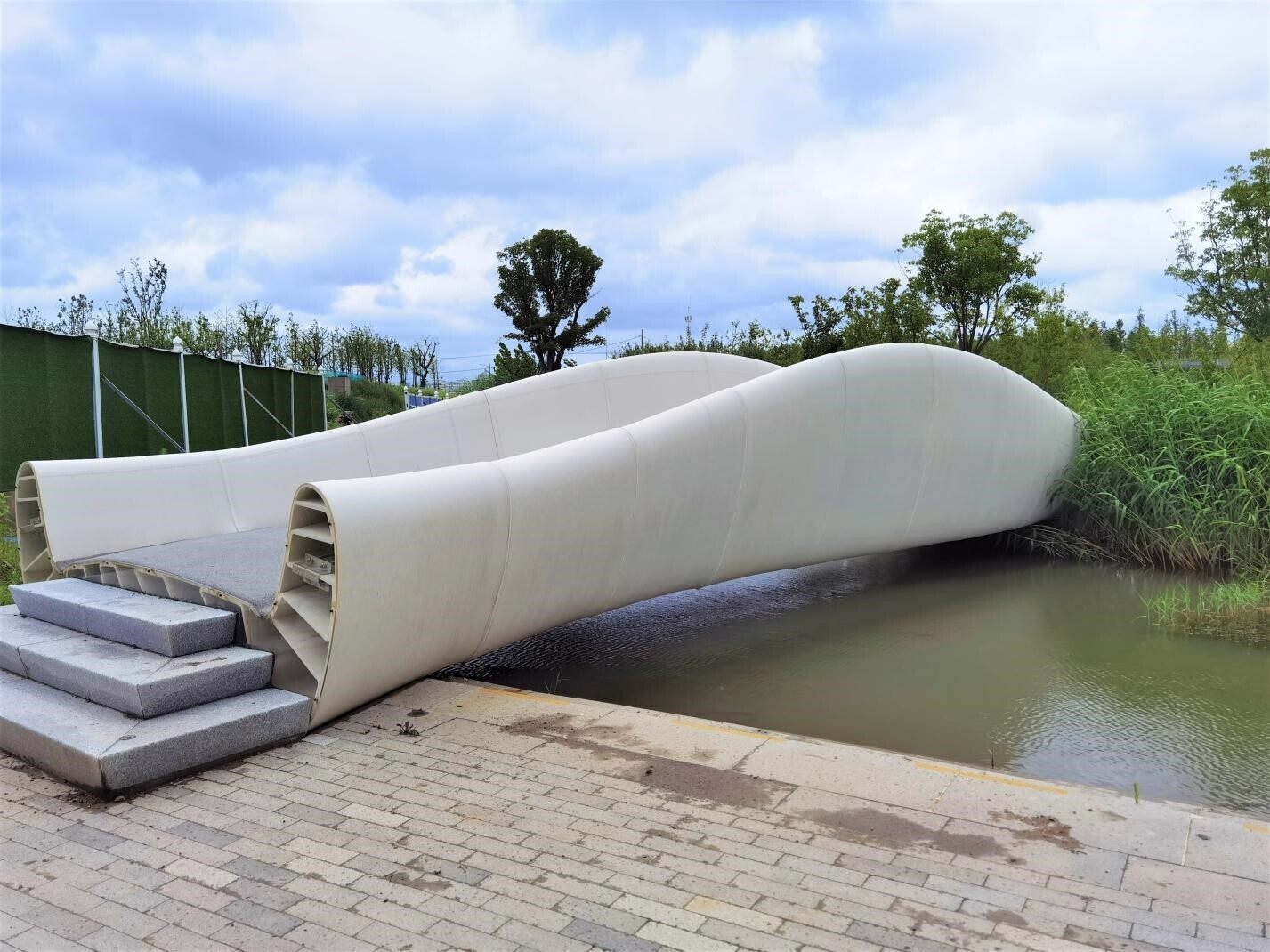
Quanzhou Bridge
Polymaker installed China’s second 3D printed bridge in the ecological belt of Baiqi Lake in Quanzhou, Fujian in 2019 as the second collaboration between Shanghai Construction Group Co., Ltd., Polymaker, and Shanghai Kuying Technology Co., Ltd. Spanning 17.5 meters, the Quanzhou Bridge also uses Polymaker’s PolyCore™ ASA-3012 material for its body and drastically improves on the manufacturing time of traditional concrete grouting, completing its construction in only five weeks.
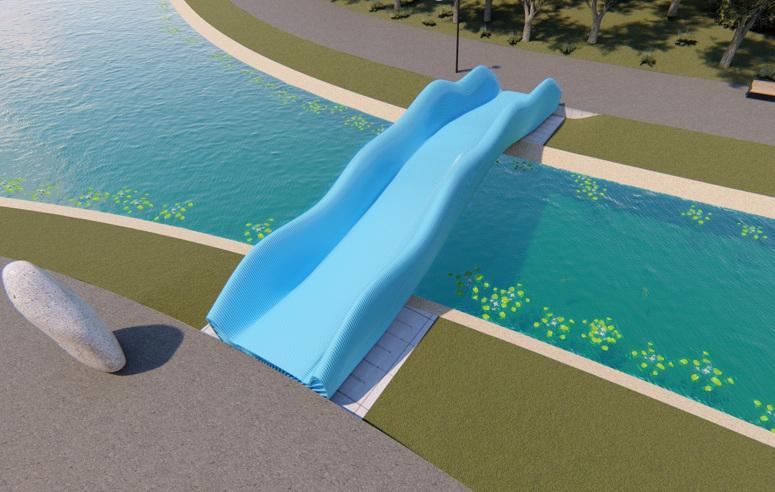
With the bridge’s manufacturing saving a considerable amount of time, it continues to compete with traditional grouting by providing strength that can withstand a pressure of two kilonewtons for each square meter, guaranteeing its ability to carry any amount of traffic. The Quanzhou Bridge utilizes a segmented design, unlike the Taopu Central Park Bridge, allowing its segments to be connected through a unique link mechanism to meet necessary mechanical requirements. Together, Polymaker's PolyCore™ ASA-3012 and the BGAM print the different components of the bridge to be assembled and painted for the finished construction, like with the printing process of the “Liuyun Bridge”.
The future of 3D printed bridges
Polymaker plays a role throughout the entire process of their 3D printed landscape bridges, covering many different facets from modeling, construction, and conception to data design. 3D printing technology truly emphasizes the "link of artistic inspiration with the power of science and technology" by pushing both sides to reach a product that stands above expectations. Polymaker’s application of 3D printing technology in landscape design greatly expands opportunities for technological innovation and exploration in the industry.
With 3D printing technology only continuing to grow, it has become an important consideration in constructing footbridges and large-sized printing quicker, with more cost effectiveness, and in a sustainable manner. Large-sized printing solutions are becoming more and more popular in different fields too, and Polymaker wants to fuel their growth by actively developing and producing materials that can bring ambitious projects to reality.
Without the material Polymaker has been creating, 3D printed bridges would never be as developed as they are now because Polymaker’s material not only provides the flexibility to meet any design’s needs, but also the strength to sustain the bridge for many years. Polymaker advances the world of 3D printing in more ways than only with their materials though. Their passion to push the industry and venture into unexplored territory has given 3D printing new capabilities and unimaginable possibilities.
Shanghai Construction Group Co., Ltd.:
Shanghai Construction Group Co., Ltd. is a leading enterprise in China's construction industry, ranking among the world's top 500 companies. Over the past sixty years, Shanghai Construction Group Co., Ltd. has repeatedly set records in the history of engineering construction in China and even in the world. It has contributed to many excellent projects in more than 100 cities across the country and in more than 30 countries and regions around the world. In recent years, Shanghai Construction Group Co., Ltd. has made every effort to promote national development, strengthen the synergy of the entire industry chain, and continue to form new commanding heights in business areas such as urban renewal, water conservancy, environmental governance, digital industrial construction, and construction services. They are now accelerating construction to become a widely acclaimed service provider for the whole life cycle of construction.
Shanghai Kuying Technology Co., Ltd.:
Shanghai Kuying Technology Co., Ltd. is a high-tech enterprise specializing in the research and development of super-large 3D printing solutions. The company adheres to the concept of "exploring future manufacturing methods" and is based on the innovative model of "integration of addition and reduction of materials, research and development of new materials, and intelligent control" in order to help manufacturing companies reduce costs and improve efficiency. The company’s existing intelligent equipment products include the Tech’s 5-Axis Milling and Additive Manufacturing Intergrated (BGAM), the high-speed pellet printer (SGAM), and the robotic additive manufacturing system (BRAM). These main products are widely used in architectural landscape, aerospace, shipbuilding, rail transit, energy, automobiles, medical products, and many other industries.
As one of the 20 art installations in ‘Design Shanghai 2021’, "Digital Circular Pavilion" is another innovative work of digital artist, Zihan Zhao, founder of the Spazio Z design studio. The sculpture is standing in front of the old Shikumen building in Xintiandi, Shanghai, with branches growing upward, and gradually forming an organic space to escape from the urban style of downtown Shanghai. The white surface finish of the installation contrasts strongly with the dark gray background color of Shikumen, attracting passers-by to explore and connect within.
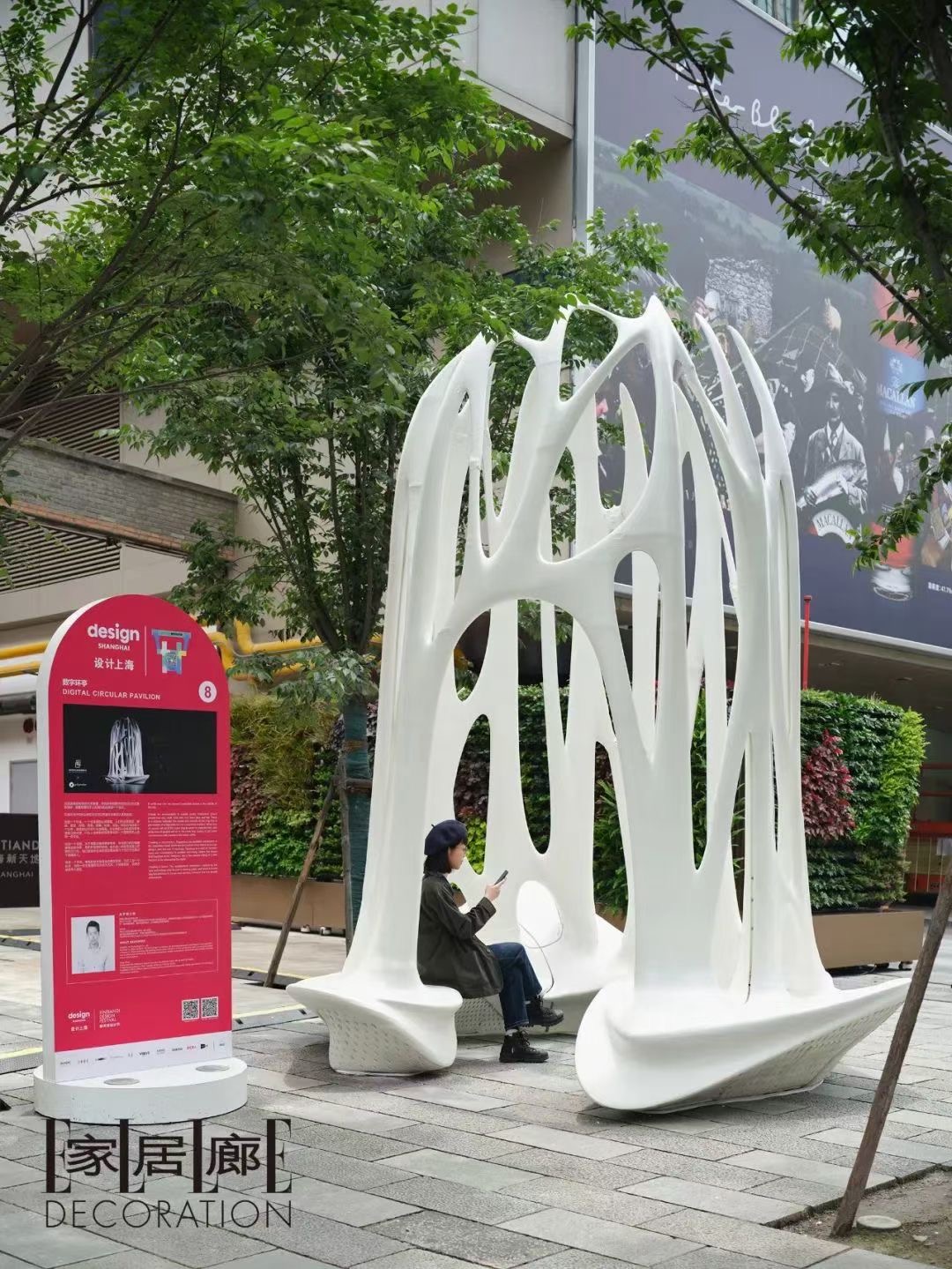
Primarily focusing on the creation of digital art, 3D printing has become the go-to medium, transitioning digital artwork created in Spazio Z into the physical space. To achieve this, the studio has created several custom built large format 3D printers using FFF technology to create modular parts which can be assembled into a larger structure.
The Digital Circular Pavilion is the latest work to emerge from the studio. Printed in 800kg of Polymaker’s L3003, an industrial PLA filament designed for high volume printing in production, print farms and large projects. The individual sections of the pavilion are bolted together onto an aluminum armature which allows for easy assembly on site. The pavilion sections have been post-processed into one homogenous organic form by coating the printed surfaces in polyester filler and sanding smooth. This coating process helps to strengthen and protect the PLA from UV and heat radiation and provides a clean smooth surface which translates the form of the design, avoiding any textures or layer lines.
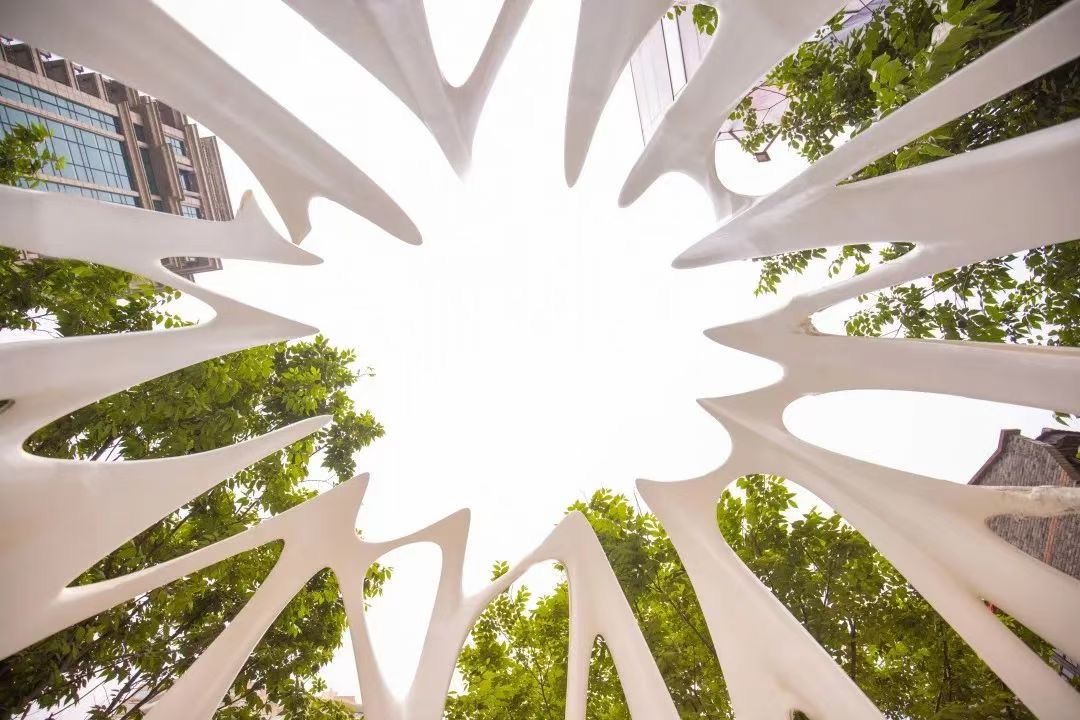
During the inspiration for the design, Zhao Zihan had one question in mind: How do we connect the independent and unrelated people in the city? People are invariably disordered and unpredictable. As a designer, all pre-planning is hypothetical. As a space device, how to realize people's exploration in the city block, social and self-satisfaction is generally accidental every time. Therefore, such a device is more of a medium, carrying a variety of space possibilities in order to bring people together.
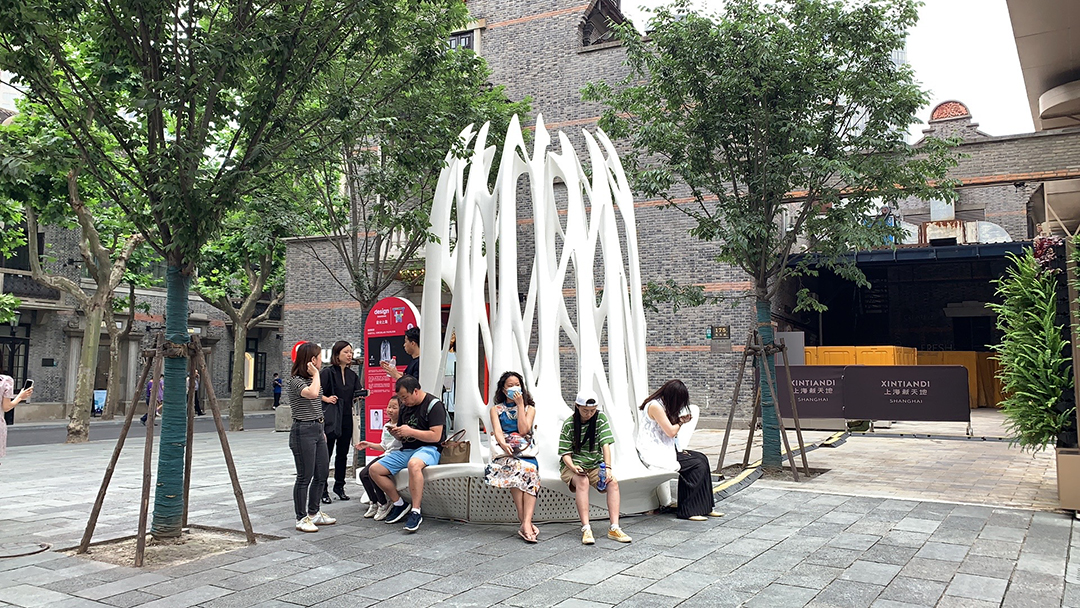
"Digital Circular Pavilion" is a relatively transparent structure, but it still has the function of isolation. The circular form is a natural separation figure, the outer circle is open for visitors to sit and rest. While the inner circle is semi closed, which provides the possibility for a relatively private conversation. At the beginning of the concept, Zihan drew lines of different thickness, depth and density, reflecting the randomness and disorder of human activities, and then simulated them into topological forms through digital technology.
For this work, Zihan Zhao is more inclined to call it "an artistic landscape product", because the artistic expression of its form is far more than its function.
From sketch to parametric model, Zhao Zihan and his team members made a detailed and in-depth analysis on the physical force, overall load-bearing, structural curvature and other factors of a single module. After detailed analysis it was determined that PLA could be a suitable material when backed with an aluminum armature and coated in polyester filler. While there are materials with better mechanical properties available, the reliability and printability of PLA made this project possible. Spazio Z takes advantage of their own 3D printing factory, which can fully demonstrate the printing efficiency, assembly process, cost control and other aspects of production. This allowed more than three square meters of walls to be produced for load testing prior to final construction. Finally, Spazio Z completed the work at a lower cost than the same type of building using traditional methods.
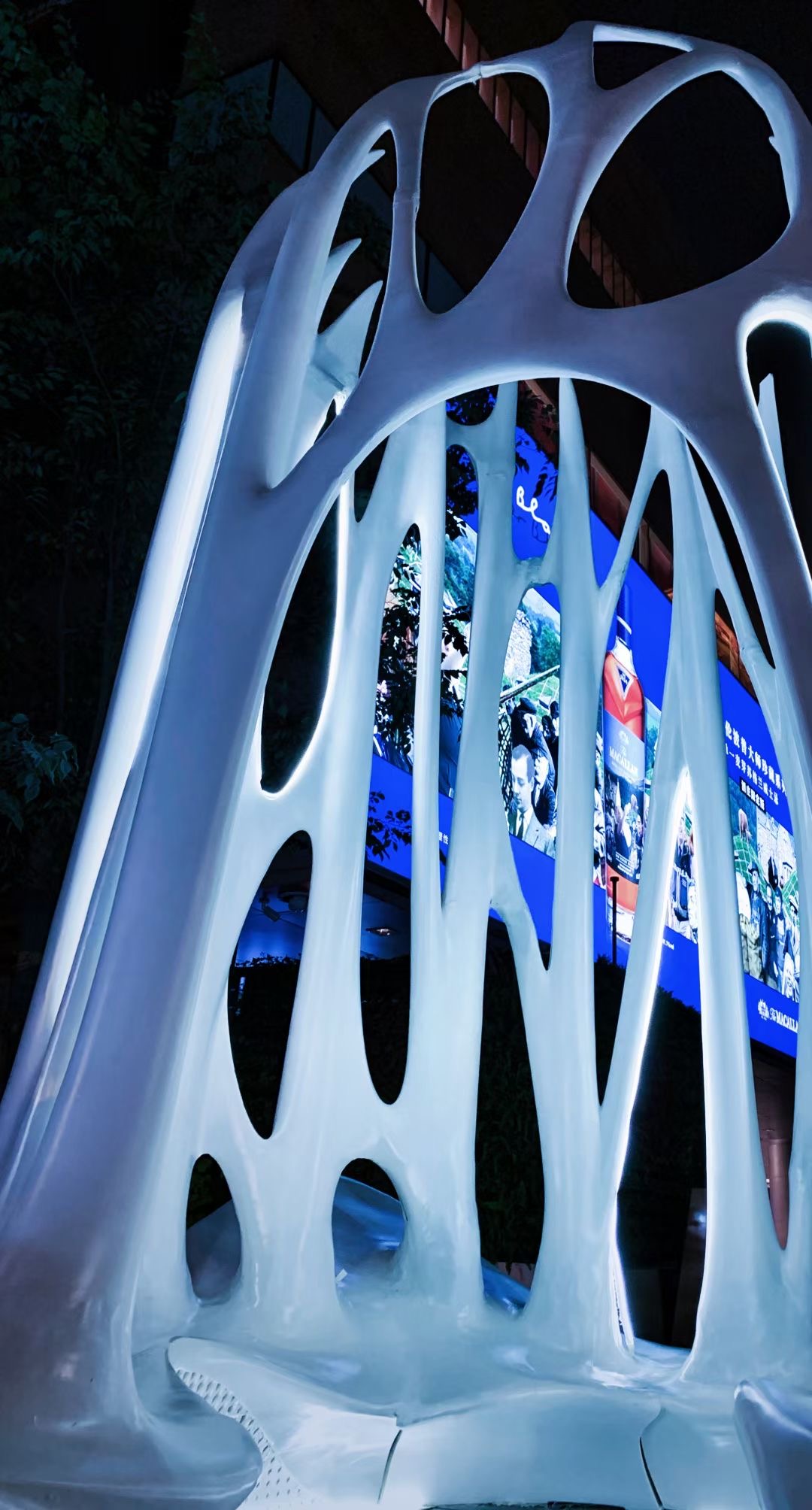
Through the joint operation of 100 large-scale 3D printers, each module is printed separately in one month, and then assembled into five large module groups, which are transported to the site to complete the final assembly and fixation through aluminum alloy components. At the end of the exhibition, it can also be disassembled and recycled.
Zhao Zihan implanted his expectation in "Digital Circular Pavilion": to create a future in which devices or buildings can be reconstructed by digital technology
“Maybe it's just a starting point. When one day it's so common that it is not rare and fancy any more, it shows that it has become very popular." – Zihan
At that time, Zhao Zihan will also explore a new starting point, and the experiment to verify the interaction between architecture and human will never end.

Perfectly clear 3D printed parts are possible with PolySmooth™ and here is the story of one of our customers. Mattias has shared with us his process creating a pair of lenses for the kitchen fan lights.
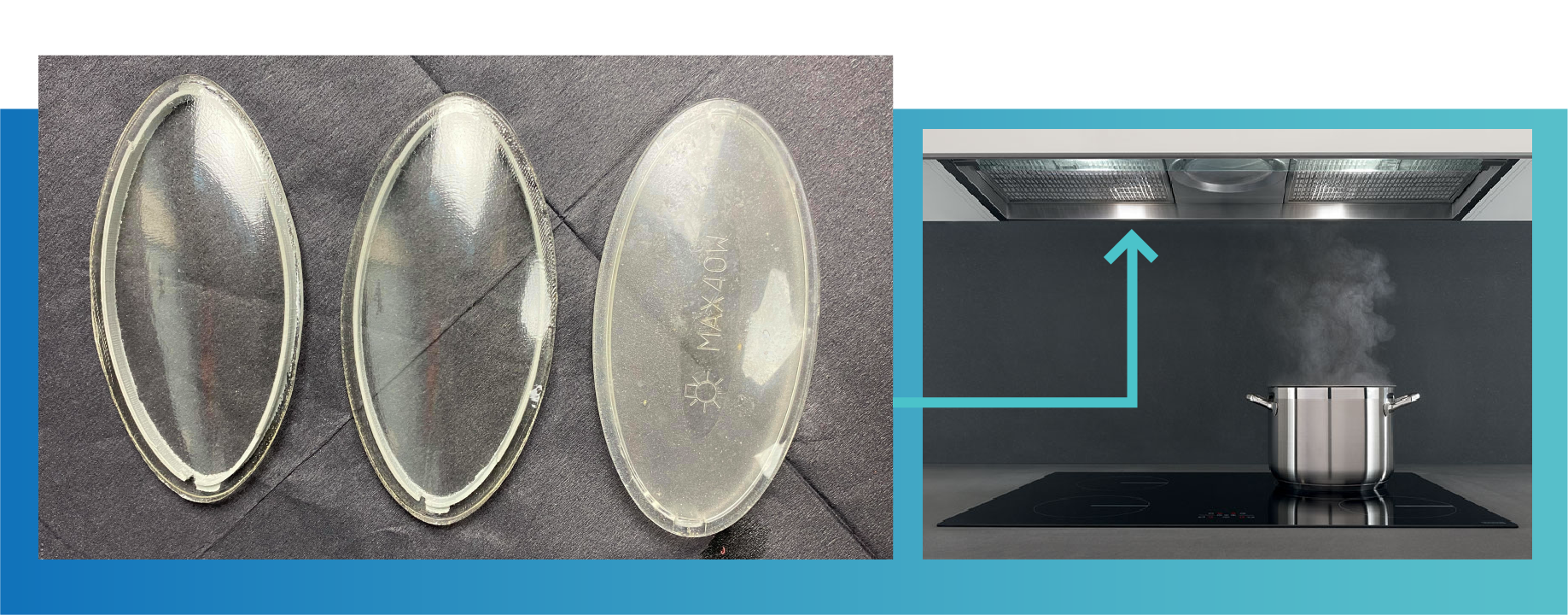
From: Mattias Lundberg
July 22nd 2021
I made a thing! well, two actually. I needed to fix something in my home and like so many times before I resorted to 3d printing and my favourite filament Polysmooth. Hi, My name is Mattias Lundberg and I love 3D printing. I´ve been doing this as a hobbyist for 6 years now and love to make the impossible possible and to push the limits just to be able to hold the printed part in my hand or see it functioning the
way it was intended.
My task at hand this time was the light covers on my kitchen fan. Originally the lamps were very hot so my first attempt three years ago was with a super clear heat resistant material that...melted. But I realised that after all these years the original lights had been phased out to LEDs. THEY dont produce heat! Bingo! Lets try Polysmooth transparent!
The object this time is a simple yet complex shape that had to be separated into the lens as one part and the frame with clips as the other. The frame with flexible clips had to be printed separately with a 0.4 nozzle while the lens must be printed with a thicker nozzle and only as a single perimeter wall.
This products really is made for resin printing but when you are hell bent to make it with an FDM printer that's what you gotta do right.
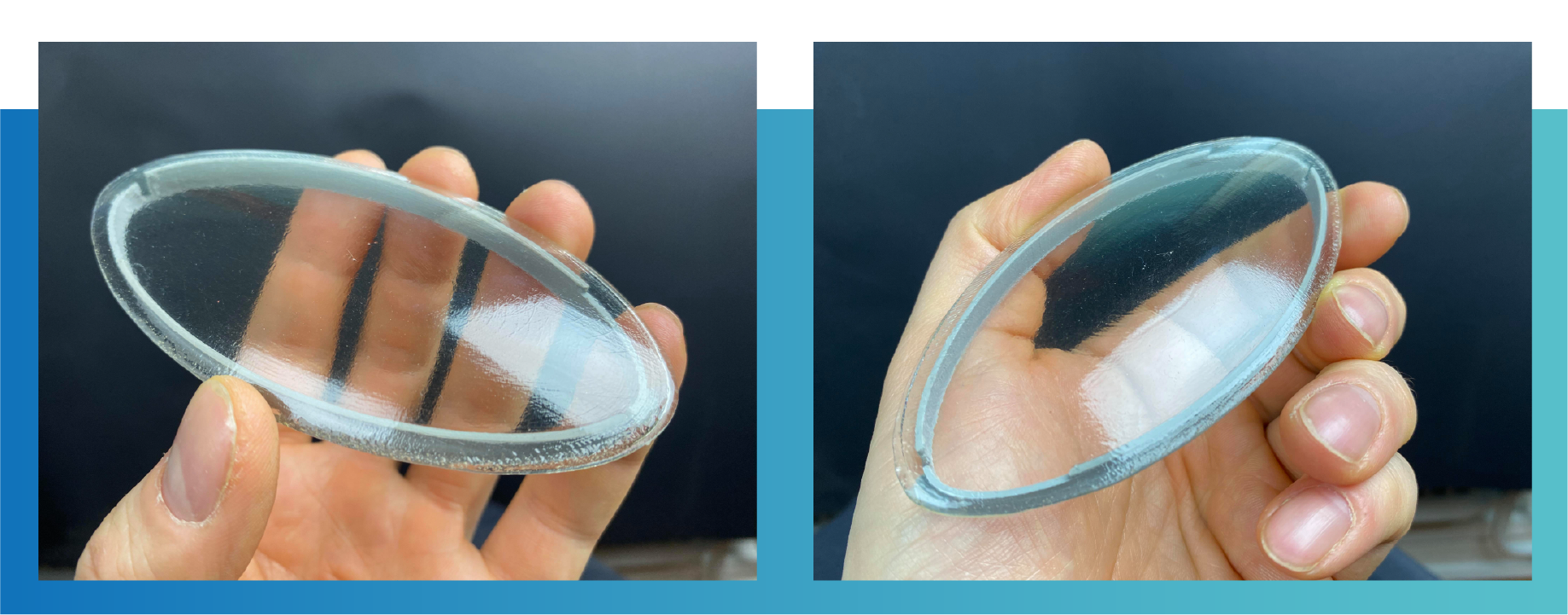
Something really important in order to reach success is to know not only your personal limitations but also the slicers, printers and the filaments limitations and roll with it and use them to your advantage. In short, trick the printer and filament in doing what you want it to.
I tried many different orientations and techniques and had a lot of failed prints and semi good results until I found the way!
This is a round bulgy object, it needs to stand on its edge, have low layer height and around 190 degrees nozzle temp. And printed in vase mode or spiralized as its called in Cura.
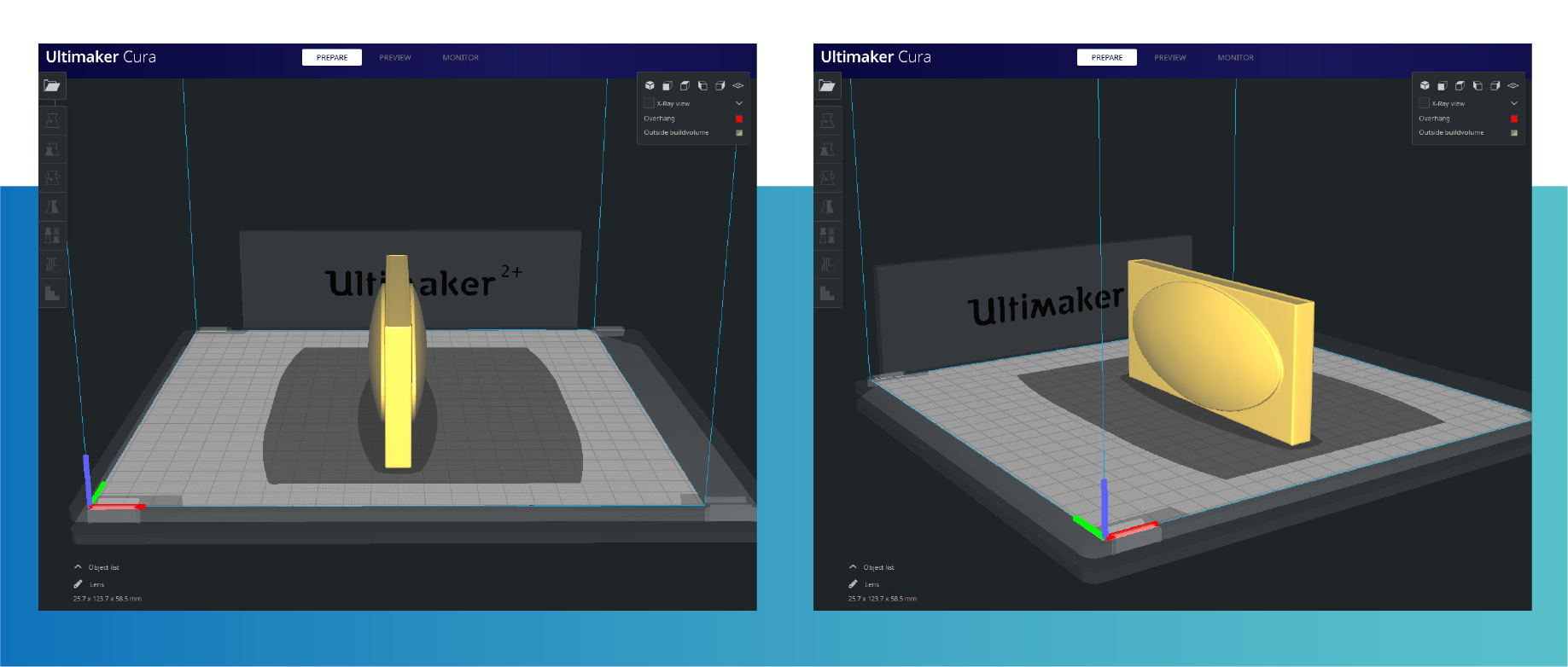
Therefore I made a single perimeter box with the lenses bulging out on the longer sides and printed it really thick (2 mm) to make it look like the original piece. This way the nozzle could go round and round printing both lenses without any disturbances.
Next step was to simply cut it out of the box walls and treat it with 100% Isopropanol, let it dry and sand it before final IPA treatment and done! I was holding two perfectly shaped, very clear and sturdy lens shaped covers in my hand. The frame was glued on and the whole piece was snapped into place and I know its gonna last a long long time. Thank you Polymaker.
Check out Mattias post and video of the prints on facebook:
https://www.facebook.com/groups/polymaker/posts/2728308607433197/

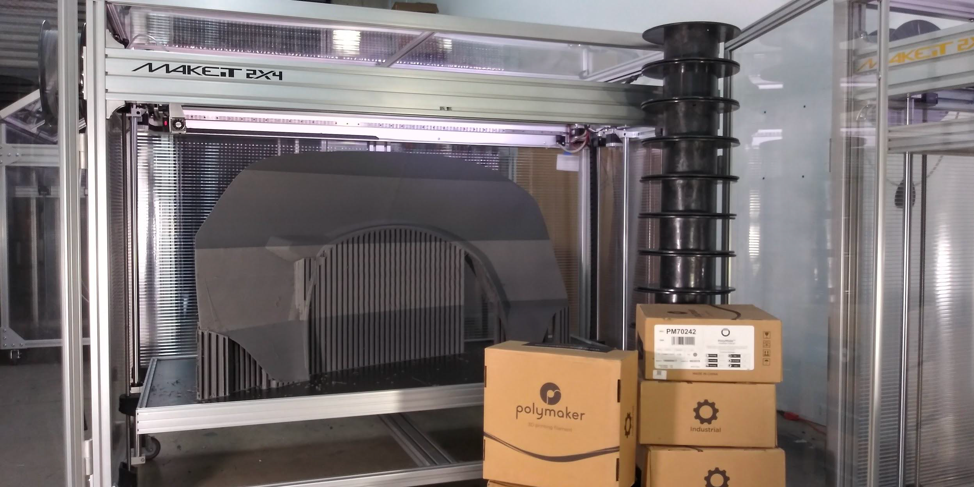
Full size fender plug (1346mm x 660mm) 3D printed on MAKEiT2x4 Large Format 3D printer using PolyMide™ PA6-GF material made by Polymaker.
MAKEiT2x4 is a large format 3D printer able to print an entire quarter panel in one piece with industrial quality filament PolyMide™ PA6- GF from Polymaker. MAKEiT2x4 is designed and made by MAKEiT, Inc. in California.
The printer is equipped with a massive rectangular printing area of 1400x605x800mm and a powerful printhead, this makes it the premier choice for printing large automotive parts, like rectangular-shaped body models. In fact, it is recognized by the automotive aftermarket authority SEMA, the Specialty Equipment Market Association. The SEMA Show 2020 awarded our MAKEiT2x4 large format 3D printer the 2nd Best New Tool and Equipment Product.
With the printer MAKEiT 2x4 car designers and fabricators can print the original fender design, in full instead of different pieces welded together saving the time and energy spent to complete a puzzling process. It counts with an application where you can see the part being 3D printed in real time.
After days of continuous printing, when the model is finally printed and cleaned, you can test fit it right away onto the vehicle. The well tested piece can be used as a plug to make the production mold. Plus, by using the MAKEiT2x4 machine, you can keep all your original designs in house.
Due to the complex nature of making a perfectly smooth body plug, the material used to make the plug needs to be stiff and strong and able to withstand intense heat. After many trials of different kinds of filaments, we have narrowed it down to a couple filaments. Polymaker™ PA6-GF meets all the material requirements for 3D printing a good plug.
With the help of 3D scanning, computer-aided design, 3D printing and the right material, our clients are no longer sculpting clay plugs by hand. They especially love the 3D printing digital mirroring process. With a single click, a mirrored model can be printed automatically. In comparison, making opposite-side plugs perfectly symmetrical by hand is virtually impossible.
We’d like to share the following case study from one of with you from our amazing customers.


Ivan Tampi, owner of Ivan Tampi Customs, is an award-winning designer and fabricator specializing in widebody Corvette customization. He used to spend weeks making plugs by hand. With the help of MAKEiT2x4's large-format 3D printing technology, he is able to get 3D printed prototypes from the CAD design, without the need for additional tooling. He is now able to do more design work, build more exotic wide body kits faster, all at a lower cost.

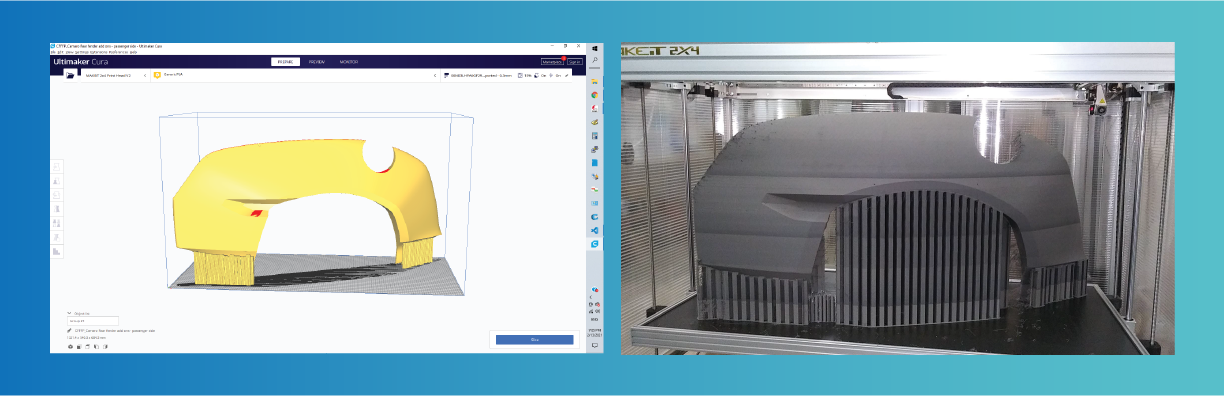
A full-size passenger side rear fender cap is 3D printed on a heated carbon fiber print bed. This bed provides a massive 1400x605x800mm print envelope. The 0.6mm tungsten carbide nozzle on the powerful printer works wonders with the PA6-GF, producing 5 days of non-stop work, (except for the automatic pausing of the printer when the filament runs out). An innovative filament motion sensor detects filament exhaustion and other problems. Once a new roll of PA6-GF is installed, the printer will continue. By nature, PA6-GF is an abrasive and stiff filament. It needs a printing temperature in the range of 285C to 300C and an abrasion resistant nozzle to extrude well. Often, 3D printer bed leveling and calibration can be complicated and time consuming. But this is not the case with the MAKEiT2x4 printer. It has 100% automatic print bed leveling and calibration. The user only has to press a few buttons on the computer screen. The rest is done by the printer itself.

(3D Printed passenger side rear fender plug fitment test by Ivan Tampi Customs)
By using the digital mirroring process, the driver side rear fender is obtainable. This simple process creates a symmetrical model, and it can be 3D printed right away. The finished print is shown here.
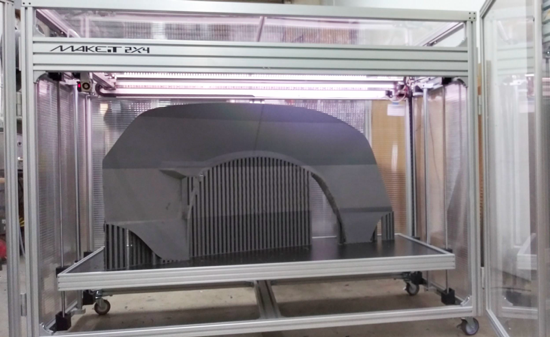
Once the printing starts, we want it to be finished as planned, right? No one wants to see an incomplete
job. However, a random layer shift during printing poses serious risk. It can ruin the entire print. Many 3D printer users have encountered similar issues. It is very costly when printing a large size part. To prevent the "lay-shift", we have implemented the LSP (Lay Shift Prevention) in each 2x4 printer as a standard feature, ensuring reliable printing, job after job. A video clip about LSP can be found here ( https://drive.google.com/file/d/1FW9CdxKvBCXWwAC22lJqaLcFv5UnEByM/view )
A driver-side front fender plug is completed after 7 days of printing. As noted, there is support material and debris attached to the fender print. These can be easily removed before the fitment test.
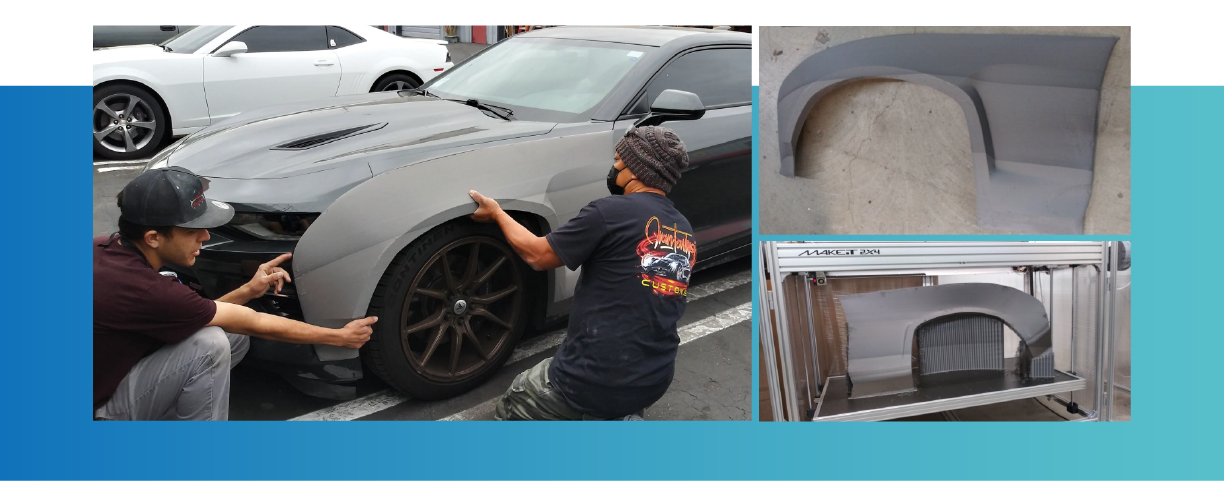
After an initial fitting, the fender plug will be power sanded to make it as smooth as possible. During sanding, the nylon glass fiber print remains stable, unlike PLA. It doesn’t gum or melt at all! This is huge. The old headache of “how do I sand it” has become “I love it. I can sand it easily, as many times as I want.” Often, regular post processing filler materials like Bondo are applied onto the plug before next sanding.
While the printer is running on its own, a MAKEiT2x4 user can monitor the printing process, and control the printer remotely using a smartphone. When you visit your customer, you can show their part being 3D printed in real time!
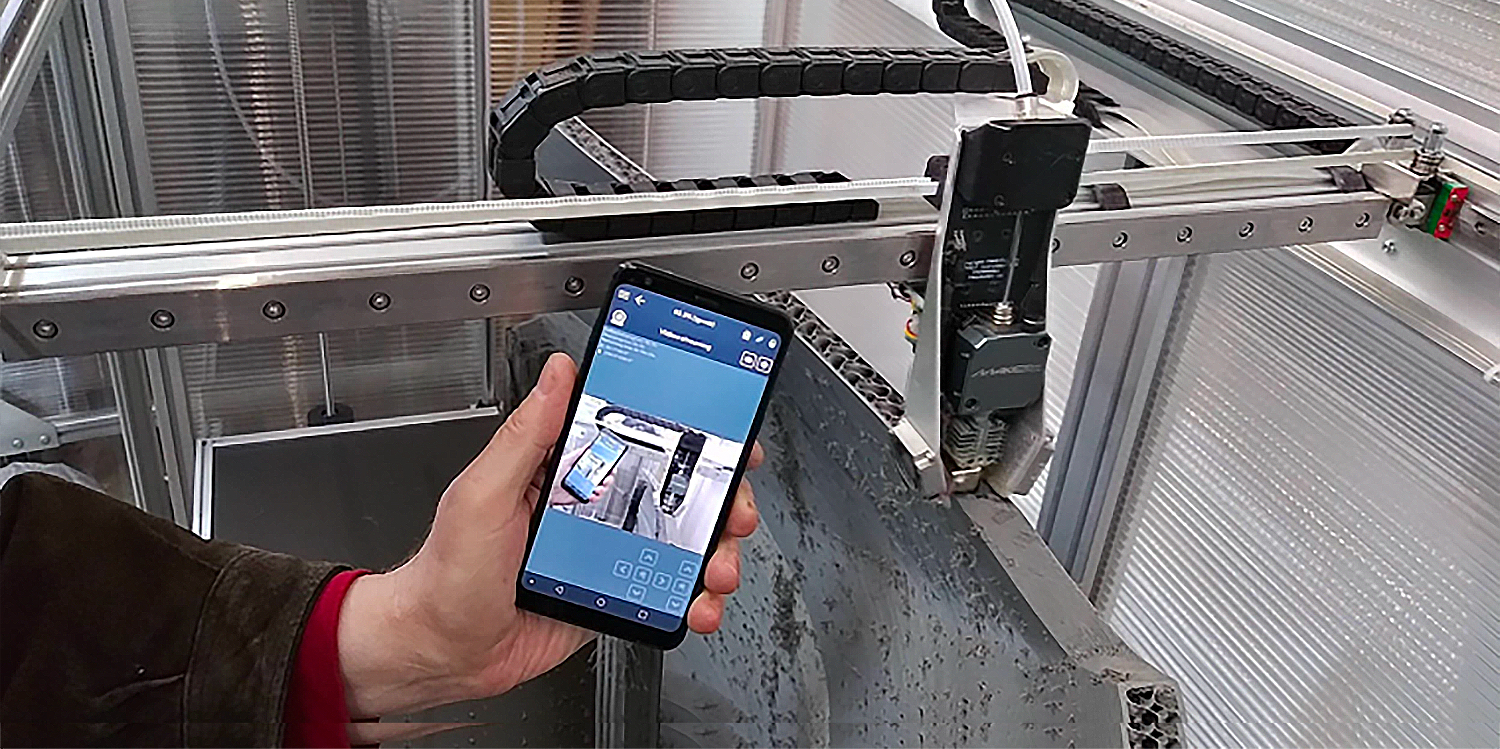

According to Ivan, MAKEiT 3D printing technology has saved his company 75% of time and labor compared with their traditional plug-making process. 3D printing also ensures every part is symmetrical and keeps the harmonious proportion all the way through. Compared with other filaments earlier, PolyMide™ PA6-GF has become Ivan’s only go-to material. Nowadays Ivan Tampi Customs is able to turn their unique digital designs into real functional parts in days and weeks, and no extra tooling is involved.
Ivan’s beautiful widebody exotic cars can be found at:
Instagram: @custom_car_builder; @ivantampicustoms
Website: www.ivantampicustoms.com
MAKEiT2x4 Large Format 3D Printer is designed and built in California USA by MAKEiT, Inc.
Website: www.makeit-3d.com
Instagram: @largeformat3dprinter
Email: [email protected] for purchase and resale opportunity
Sarolea is a revived Belgian motorcycle manufacturer that took on the historic Sarolea brand after the original company ceased production in the 1960’s. The revived brand now focuses solely on electric powered motorcycles, but at the heart of the company is the same passion of motorcycles that founded the original brand back in 1850.
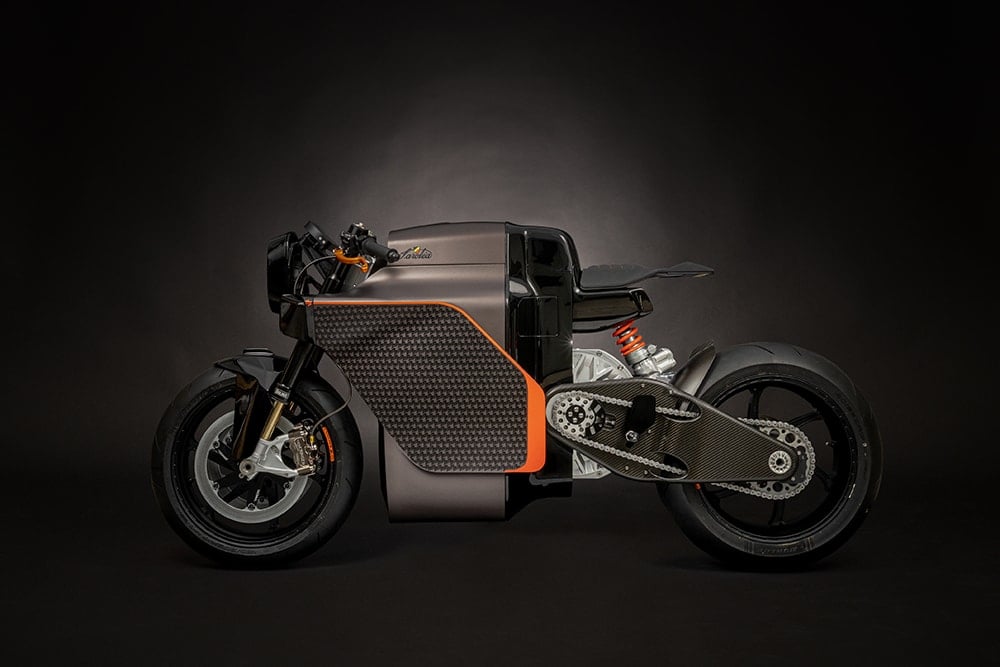
Sarolea develop and manufacture their motorcycles from the ground up using in house technologies originally developed for track racing bikes. After gaining popularity of their designs on the race track, Sarolea decided to design a road going version of their first race bike the Manx 7. Sarolea have been using 3D printing technology at each stage of their production process and have established close technical relationship with Polymaker.
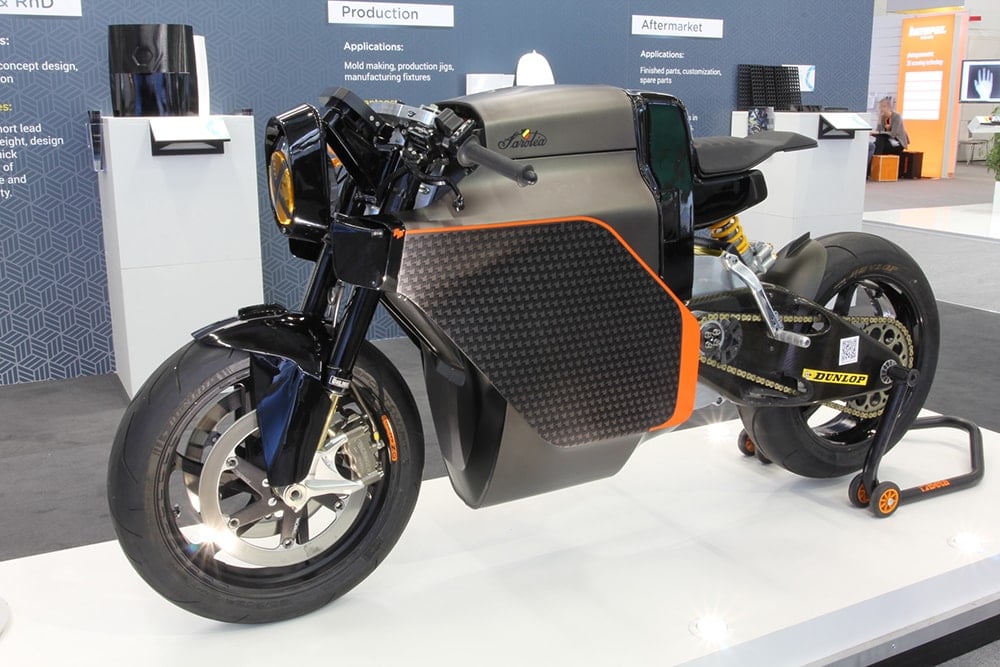
3D printing technology can bring huge advantages to the automotive industry in all aspects. Sarolea has integrated 3D printing into every stage of their production cycle, utilizing many different materials and their unique properties in the design, production and ultimately for the manufacture of parts that operate on the road and race bikes.
Stage 1: Design & RnD
Applications: Prototyping, concept design, design iteration
Advantages: low cost, short lead time, lightweight, design freedom, quick verification of appearance and functionality.
Description:
Both PolyMax ™ PLA and PolyMax ™ PETG are used for prototyping. For the Manx 7 electric superbike, the entire bodywork was prototyped using PolyMax ™ PLA. The printability, reliability and toughness play a role in this application. On the N60 model, Sarolea used PolyMax ™ PETG for bodywork prototyping. Compared to PolyMax ™ PLA, PolyMax ™ PETG is easier to sand and polish, offering an additional 20°C heat resistance compared to PLA. This allowed Sarolea to print and test body work with a professional finish.
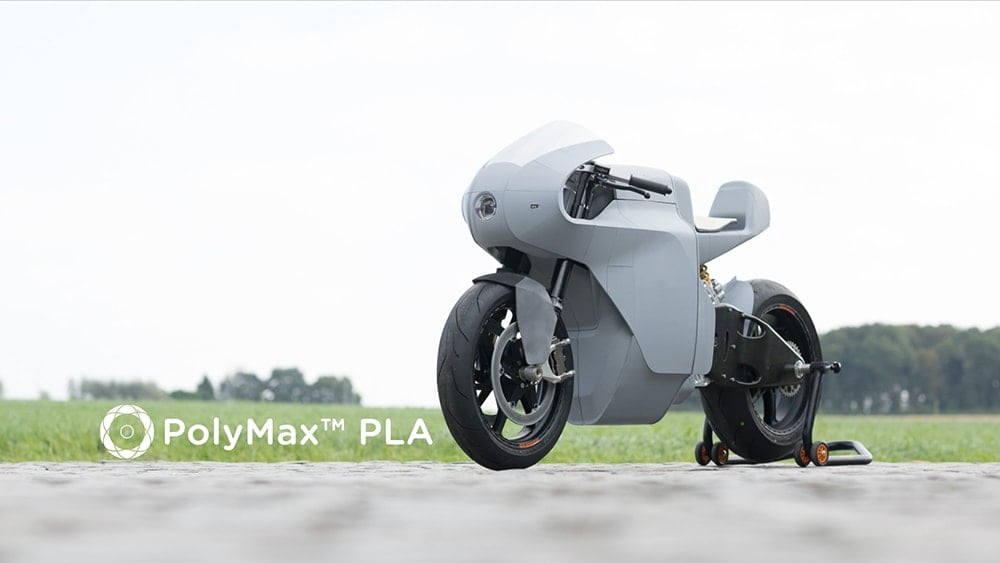
PolyMax ™ PLA for bodywork prototyping
PolyMax ™ PETG for bodywork prototyping
Stage 2: Production
Application: mould making, production jigs, manufacturing fixtures
Advantages: fast and low-cost manufacturing of specific tools for custom parts, effectively reduce production cycle by printing in house. Print negative moulds for direct carbon fibre lay-up.
Description:
Sarolea are 3D printing moulds in PolyMide™ CoPA which they are using to produce final parts in carbon fibre. Both the Manx 7 and N60 have a carbon fiber monocoque chasis, this requires a number of intricate moulds that help with the lay up of the carbon fibre. PolyMide™ CoPA can withstand the high heat and pressures involved in vacuum curing process while the carbon fiber is baked in the autoclave. PolyMax™ PETG is also widely used to make production tools, jigs and fixtures necessary when assembling the bikes.
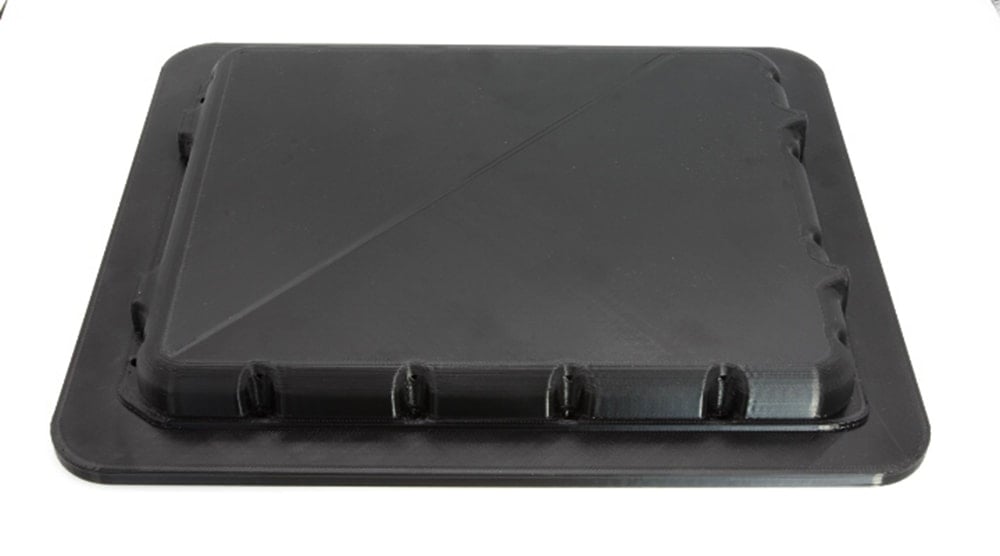
PolyMide™ CoPA mould
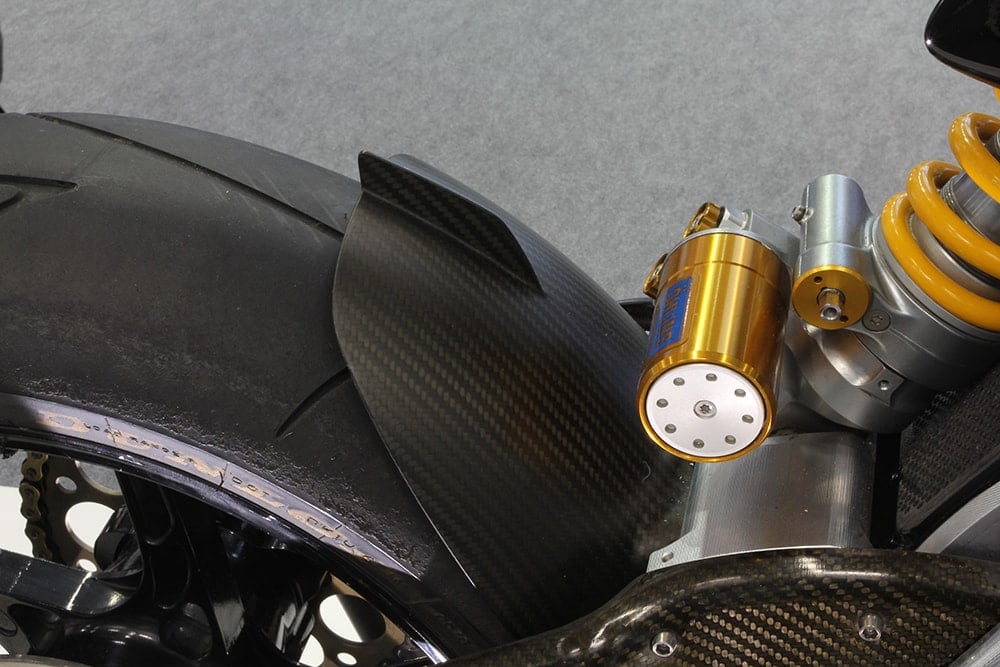
Stage 3: Aftermarket
Application: Printing production ready parts, customization and spare parts
Advantages: Print finished parts in advanced materials, provide full customization to customers on existing parts, keep digital database of spare parts.
Description:
Sarolea features a number of 3D printed parts in final production thanks to the advanced materials that Polymaker offer. PolyMide™ PA6-CF is used widely in the high velocity air flows and Polymaker™ PC-PBT in use as a cell holder within the custom-made batteries. PolyMax™ PC-FR offers a fire rated material to print fixtures and holdings for the many high voltage circuits and wires that are necessary to run the bike.
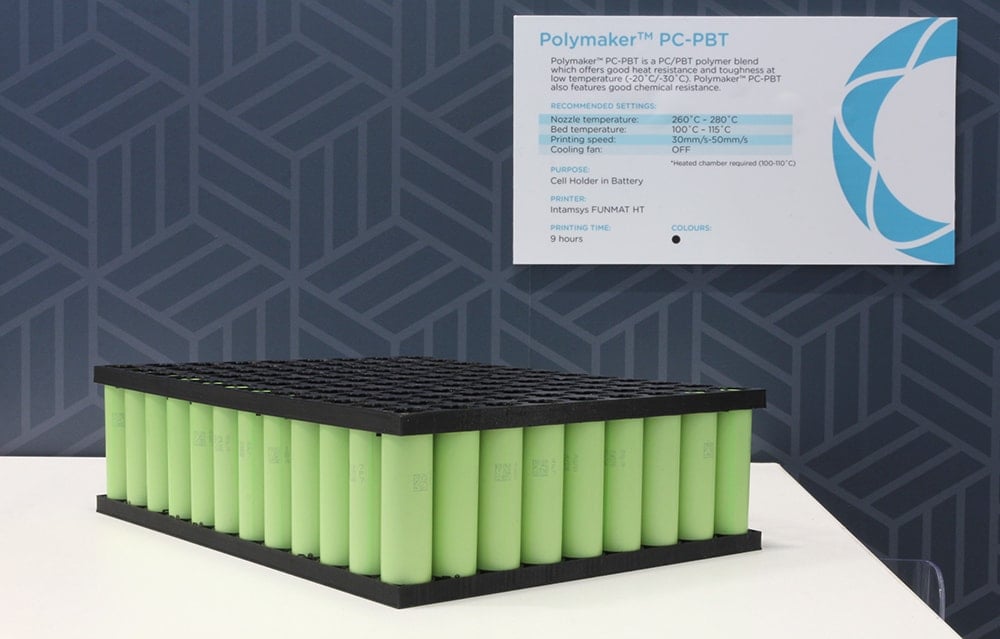 Polymaker™ PC-PBT cell holder
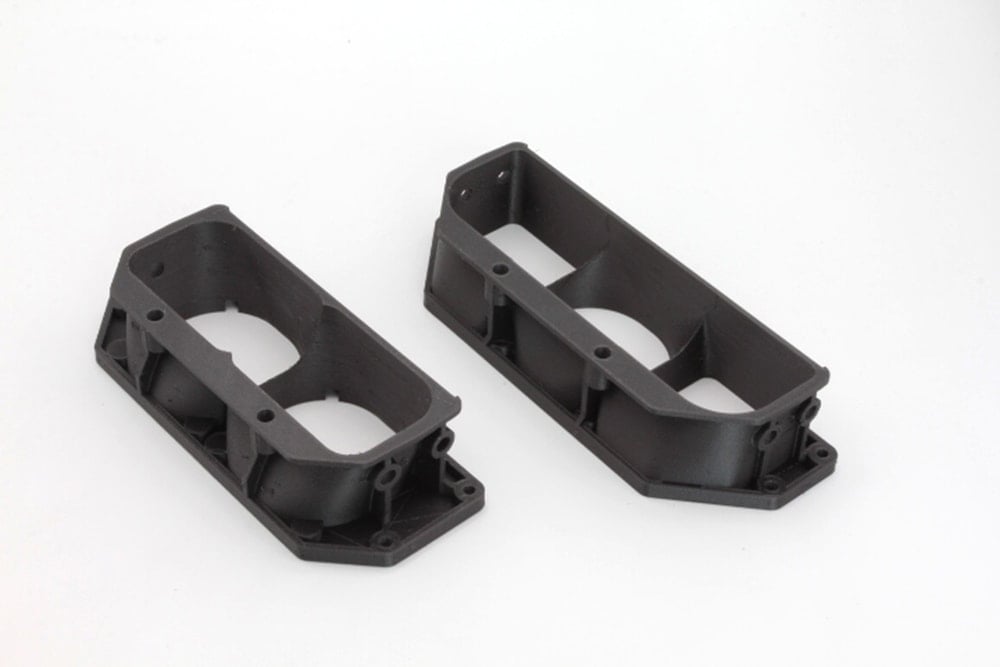 PolyMide™ PA6-CF air duct
Sarolea has found that Polymaker materials are an invaluable tool not only in prototyping but also in the manufacturing and final production of parts for their motorbikes. The technical partnership between the two companies allows Sarolea to push the boundaries of vehicle electrification.
